How to Thaw Frozen Pipes Safely Before They Burst
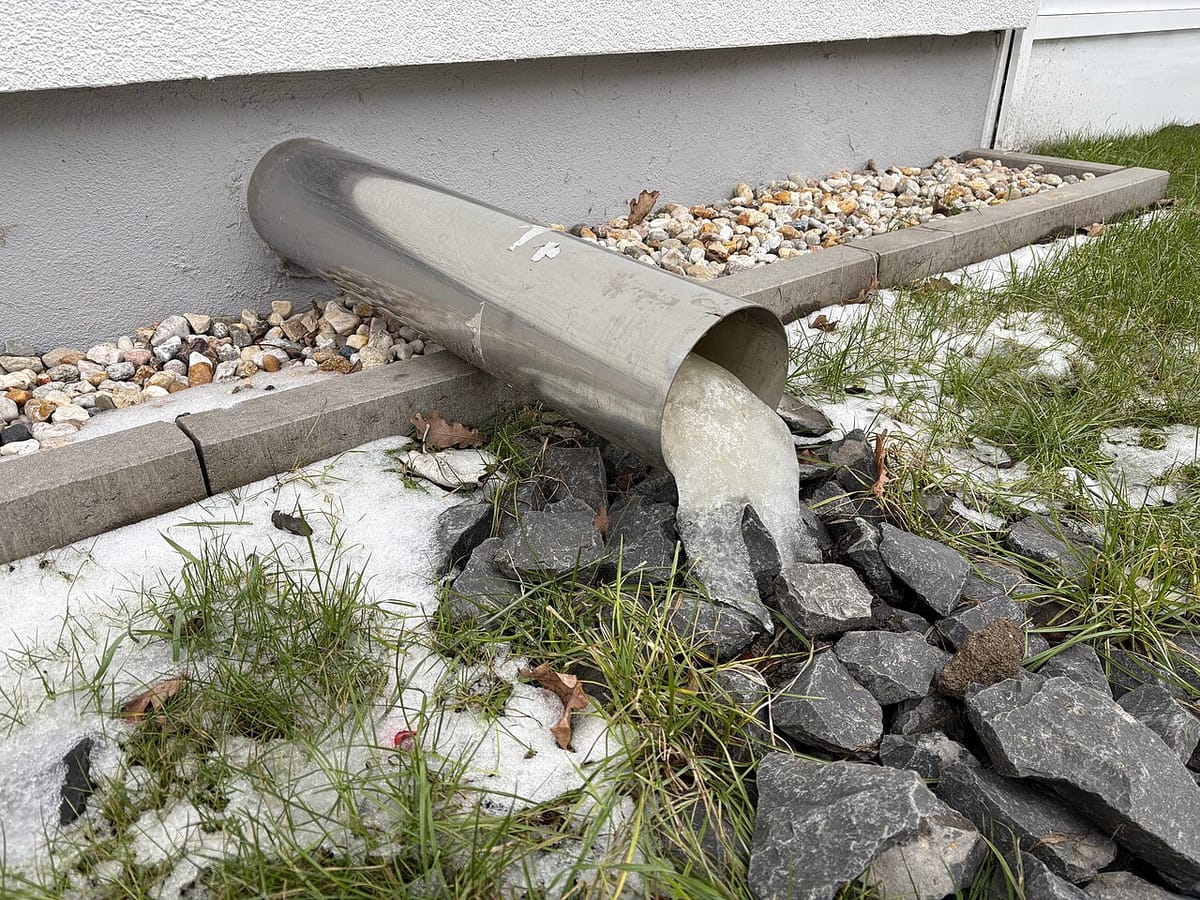
If this fix touches water, gas, or power, the guide starts with the shutoff step and says when a licensed pro should take over.
Product links in this guide are affiliate links. If you buy through one, we may earn a small commission at no extra cost to you. It never changes which products we recommend.
You turn the kitchen tap on a morning that started at 8°F and nothing comes out. Or a thin trickle, then a cough, then silence. That’s a frozen pipe, and you have a short window to fix it before the ice does damage. The good news is that most frozen pipes thaw with a hair dryer and some patience, and nothing has burst yet.
Quick Answer
Here’s how to thaw frozen pipes: open the affected faucet fully so the melting water and steam have somewhere to go, then warm the pipe with a hair dryer, starting at the faucet end and working back toward the frozen section. Keep the heat moving, since a pipe that gets uncomfortable to touch is too hot. Heating pads and towels soaked in hot water also work. It takes 30 to 90 minutes and costs under $30 if you need to buy anything. Never use a torch, a propane heater, or any open flame. If the pipe is inside a wall, the water is out at every fixture, or you see water where it shouldn’t be, shut off the main shutoff valve and call a plumber.
What You’ll Need
- A hair dryer, the simplest and safest heat source
- A heating pad, $15–$30, for pipes you can wrap
- Old towels and a pot of hot (not boiling) water
- A bucket and rags for drips
- A small space heater, set well back from anything that burns, for a cold crawl space or cabinet
- A flashlight, to check for frost and bulges along the pipe
Step-by-Step
Find out how widespread the freeze is
Try every faucet, hot and cold, upstairs and down. If just one fixture is dead, the frozen section is on the pipe feeding it, usually where it runs through an exterior wall, a cold cabinet, or a crawl space. If nothing runs anywhere, the freeze is probably at the main line entering the house, or the meter. That needs a plumber, since the main pipe may be underground or under the foundation. Find your main shutoff now, before you need it in a hurry.
Open the faucet and leave it open
Turn the dead faucet to fully open, hot and cold both if it’s a two-handle tap. As the ice melts, water and steam need an exit. A closed faucet traps that pressure between the ice and the valve, and that’s how a thaw turns into a split. Put a bucket under it and leave the tap open until the water runs at full strength for a minute or more.
Trace the pipe and locate the cold spot
Follow the supply line from the faucet back along its path with a flashlight. A frozen section is often visibly frosted and can have a slight bulge. Run your hand along the pipe: the frozen part feels colder than the rest. Open the cabinet doors under the sink so room air can reach the pipes, and check the wall behind the sink for a cold exterior wall. Most freezes happen within a few feet of where the pipe meets an outside wall.
Heat the pipe from the faucet end
Start the hair dryer at the point nearest the open faucet and work back toward the frozen section, moving slowly. Heating from the faucet end lets the melt escape as it forms. Wrap a heating pad around an accessible section, or drape towels soaked in hot water over the pipe and refresh them every few minutes. Expect the first trickle in 20 to 30 minutes. When the water starts, keep heating until the flow is full, since a partly thawed pipe can refreeze.
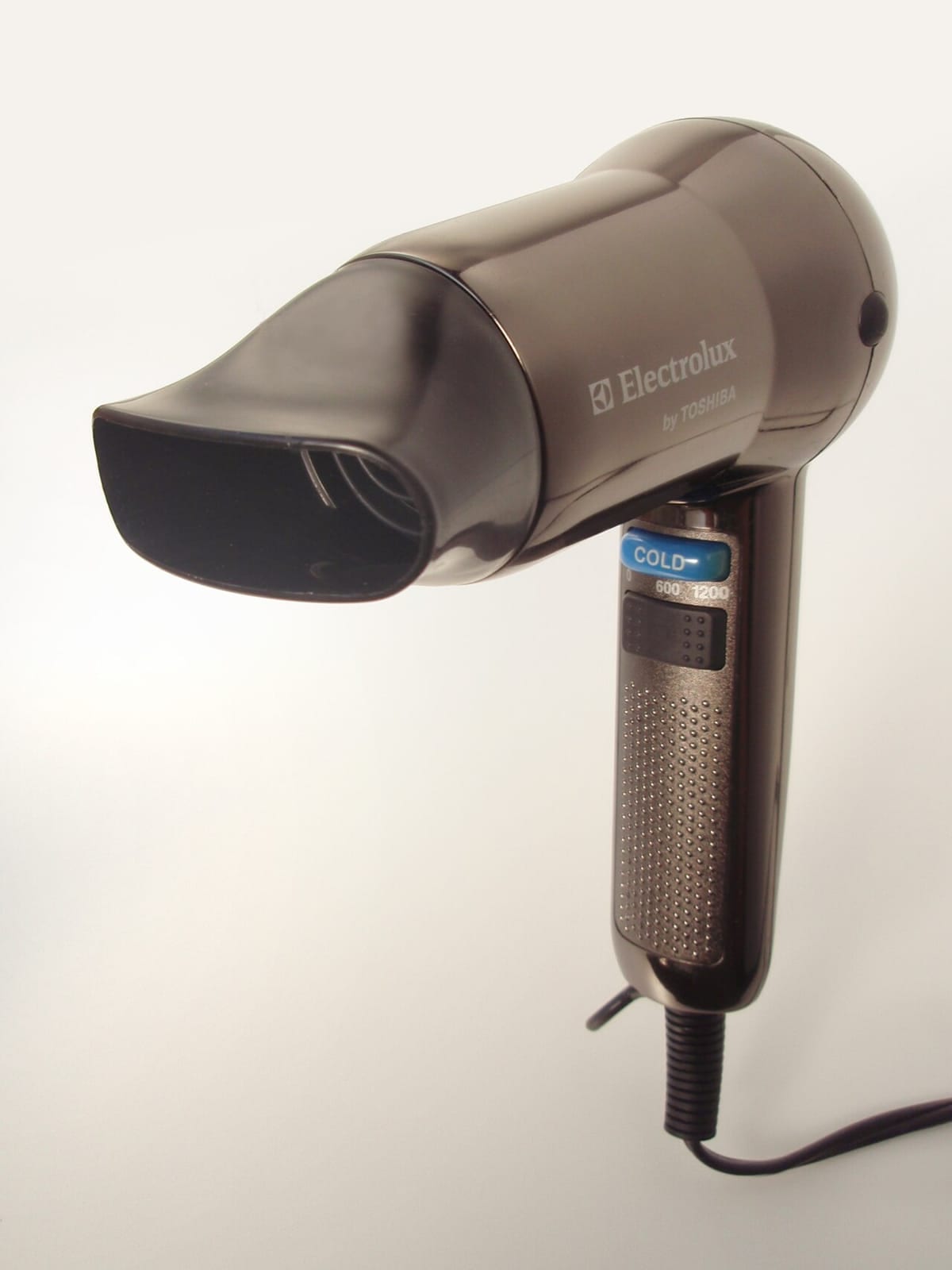 A plain hair dryer is the safest heat source. Keep it moving along the pipe, and keep the cord out of any standing water. Photo by Batholith via Wikimedia Commons, public domain, resized.
Check for leaks, then fix the cause
Once water flows, look along the whole pipe and under the sink for drips, wet insulation, or damp drywall. A pipe that cracked during the freeze will often reveal itself in the first few minutes of flow. If you find a leak, close the shutoff valve for that line (or the main) and call a plumber. Then fix the reason it froze: add insulation, seal the air leak, and use the checklist in how to prevent frozen pipes before the next cold night.
Time and Cost
| Fix | Time | Cost |
|---|---|---|
| Hair dryer on an exposed pipe | 30–60 min | $0 |
| Heating pad or hot towels | 30–90 min | $0–$30 |
| Plumber thaws a pipe | — | $150–$500 |
| Plumber repairs a burst pipe | — | $200–$1,000+ |
Why This Works
Water expands about 9 percent as it turns to ice, and a pipe is a closed tube. Ice forms a plug in one spot, trapped water downstream gets squeezed against it, and the pressure rises until the weakest point splits. That split is often not where the ice is. Thawing from the faucet end opens the line as the ice melts, which relieves the pressure behind the plug before it can build. Gentle, moving heat does the same job as a torch without the fire risk, because water conducts heat quickly and a plastic pipe or the wood framing around it does not forgive a flame.
Mistakes to Avoid
- Using a torch, a heat gun on high, or a propane heater. Open flame near a pipe in a wall or a crawl space starts fires, and a plastic pipe can melt. A hair dryer is slower and nearly impossible to misuse.
- Thawing with the faucet closed. The steam and meltwater have no exit, and pressure builds against the ice. Always open the tap first.
- Standing in water with an electric tool. A flooded floor and a hair dryer is a shock hazard. Dry the floor, use a GFCI outlet, or stop and call a pro.
- Walking away once water trickles. A pipe that is only partly thawed refreezes in an hour on a cold night. Stay until the flow is full, then leave a pencil-thin drip running overnight.
If the same pipe freezes every winter, the fix is moving it or insulating it. Before the next cold snap, winterize the outdoor faucets and check under the kitchen sink for the signs of a slow leak.
FAQ
How long does it take for a frozen pipe to thaw?
With a hair dryer or heating pad on an exposed pipe, expect 30 to 60 minutes. A pipe inside a wall may take hours, or may never thaw without a room heater and a warming day. If the water has not returned after about two hours of steady heat, call a plumber before the ice shifts and the pipe splits.
Will a frozen pipe thaw on its own?
Usually, once the air around it warms above freezing for long enough, but you should not wait. A frozen pipe is already under pressure from the ice, and a pipe that cracked during the freeze only starts leaking when it thaws. Open the faucet and apply gentle heat so the thaw happens while you are watching.
Is it safe to thaw a pipe with a hair dryer?
Yes, if you keep the dryer and its cord out of standing water, start close to the faucet, and move it along the pipe slowly. A hair dryer cannot overheat a pipe the way a torch can. Plug it into a GFCI outlet if you are working near a wet floor, and never leave it running unattended.
How can I tell if a frozen pipe has burst?
You usually cannot until it thaws. Look for water stains on ceilings or walls, a wet cabinet floor, a hissing sound, or a sudden drop in water pressure after the pipe starts to flow. If you see water where it should not be, shut off the main water valve first, then call a plumber.
Related fixes
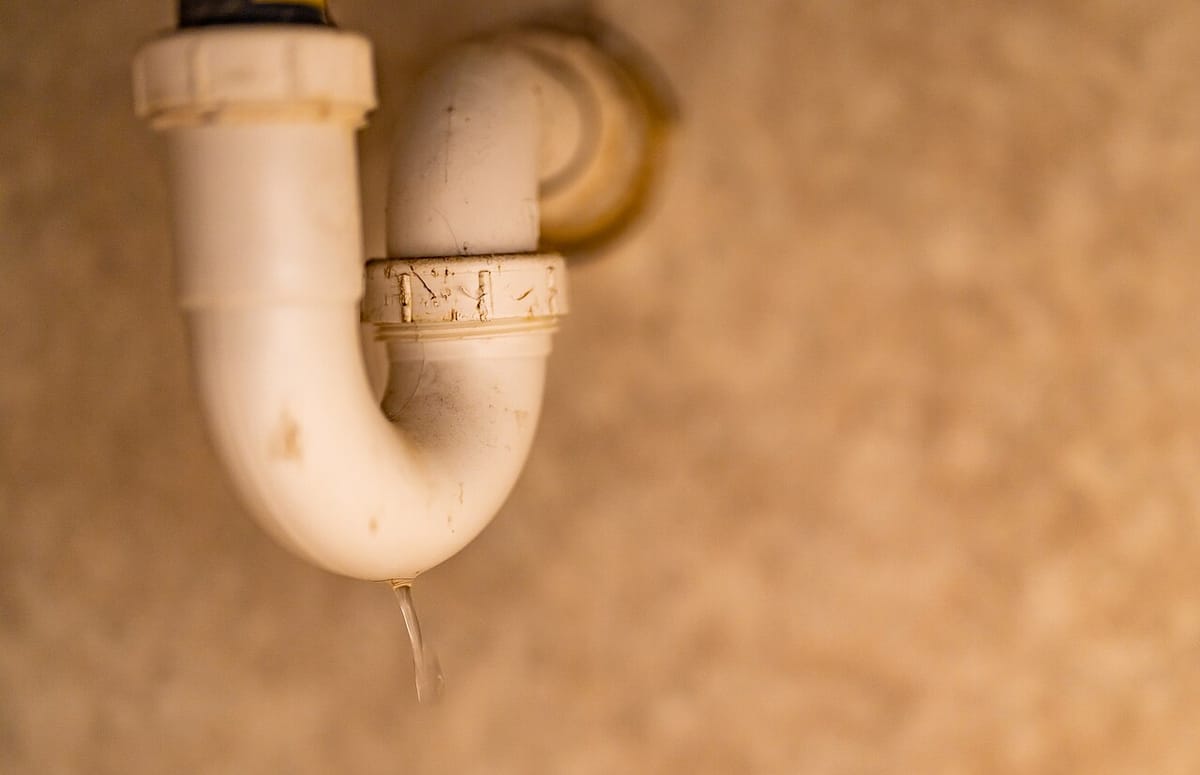
Kitchen
How to Fix a Leak Under the Kitchen Sink in One Evening
A leak under the kitchen sink is a supply line, the faucet, a drain joint, or the dishwasher hose. A 10-minute test finds which. Most fixes are under $15.
Time30–90 min Cost$0–$25 easy
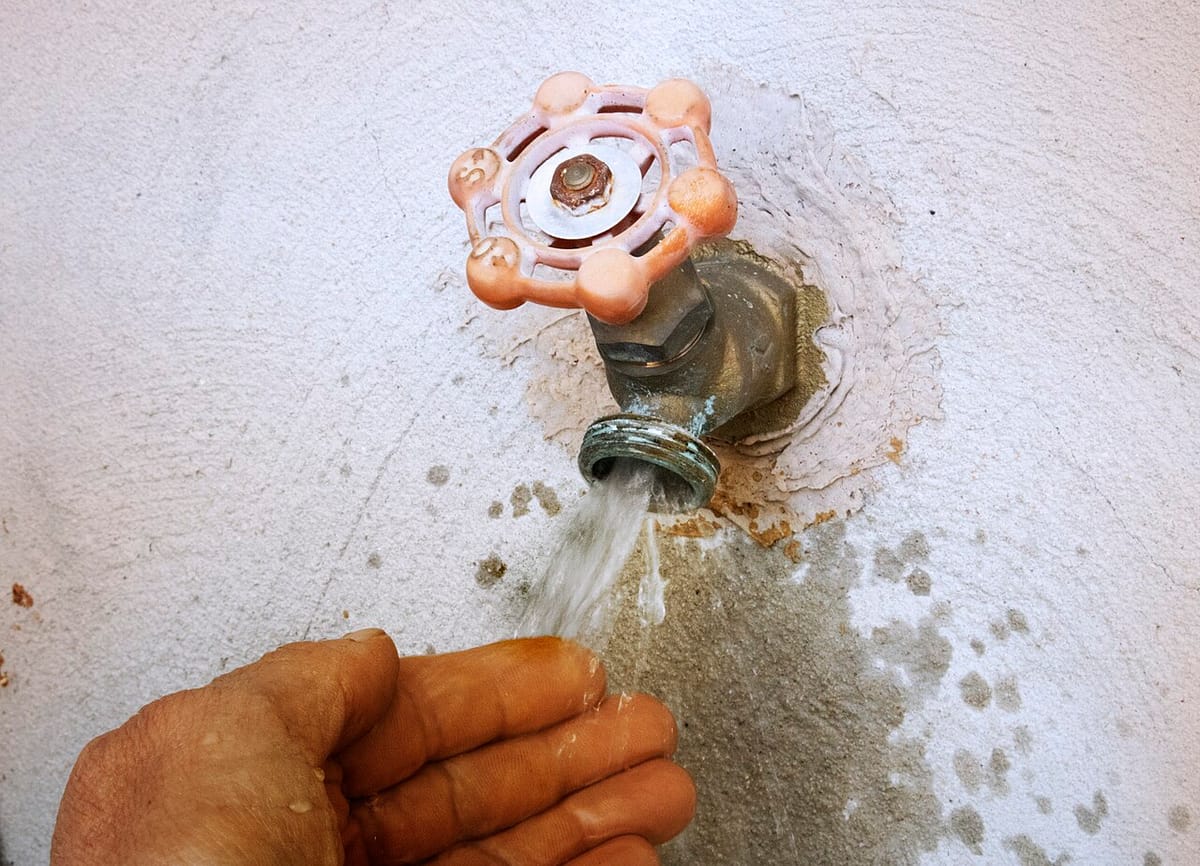

Outdoors & Seasonal
How to Winterize Outdoor Faucets Before the First Freeze
Pull the hose, close the indoor shutoff, drain the spigot, and cover it. 15 minutes per faucet in October prevents a burst pipe in the wall in January.
Time15 min per faucet Cost$0–$15 easy
Outdoors & Seasonal
How to Prevent Pipes From Freezing: 7 Fixes Before Winter
Insulate exposed pipes, seal air leaks, open cabinet doors, and drip a faucet on the coldest nights. Low-cost steps that keep the water running all winter.
Time1–3 hours Cost$15–$80 easy