How to Get Rid of Mice for Good (Seal First, Trap Second)
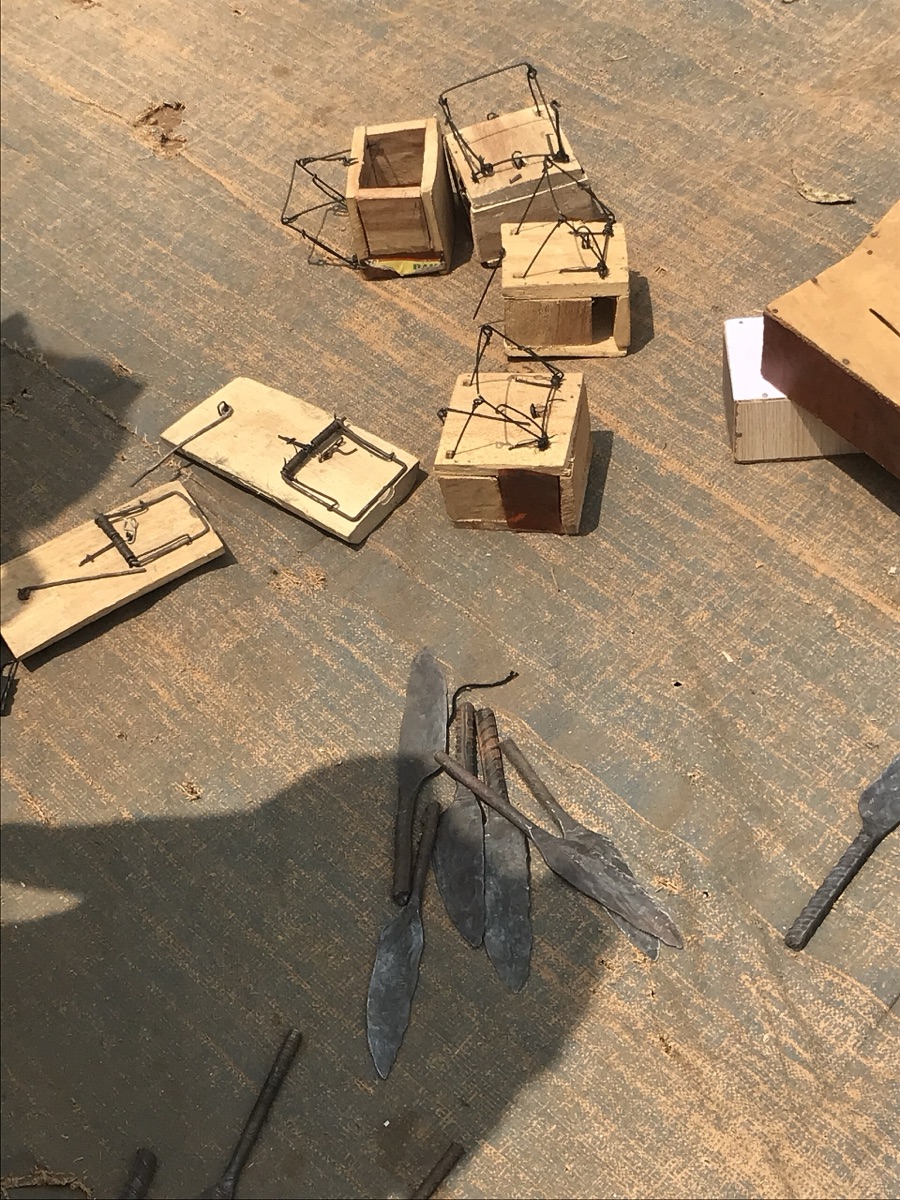
Cover photo by ROSEMURA250 via Wikimedia Commons, CC BY-SA 4.0, resized.
If this fix touches water, gas, or power, the guide starts with the shutoff step and says when a licensed pro should take over.
Product links in this guide are affiliate links. If you buy through one, we may earn a small commission at no extra cost to you. It never changes which products we recommend.
Mice come indoors when the nights turn cold, which means the problem you notice in October actually started with a gap that has been there all year. Most people set traps, catch a few, feel finished, and hear scratching again three weeks later. The order matters here: sealing is the repair, and trapping is just cleanup.
Quick Answer
Getting rid of mice takes two steps in a specific order. First, find and seal every entry point with steel wool packed into the gap and caulk or expanding foam over it, because a mouse fits through a quarter-inch hole and the house will keep refilling until those are closed. Second, set snap traps perpendicular to walls with a pea-sized dab of peanut butter, since mice run along baseboards and rarely cross open floor. Clean droppings by spraying them with disinfectant first, never sweeping or vacuuming dry. Budget an afternoon and $20 to $60, against $200 to $600 for an exterminator contract.
What You’ll Need
- Coarse steel wool or copper mesh, $10–$15, which mice cannot chew through
- Silicone caulk or expanding foam to cap the steel wool
- Snap traps, about $1 each, and buy more than you think you need
- Peanut butter
- Disposable gloves, an N95 mask, and a spray bottle of disinfectant or diluted bleach
- A good flashlight, the most useful tool in this entire job
Step-by-Step
Read the signs to find where they are
Droppings tell you the traffic pattern. They look like dark grains of rice, and fresh ones are soft and shiny while old ones are gray and crumble. Follow the heaviest concentrations, since that is where mice spend time rather than where they wander. Also look for gnaw marks on cardboard and food packaging, greasy dark smudges along baseboards where oily fur has rubbed the wall repeatedly, and shredded insulation or paper gathered into a nest. Scratching inside walls after dark confirms it.
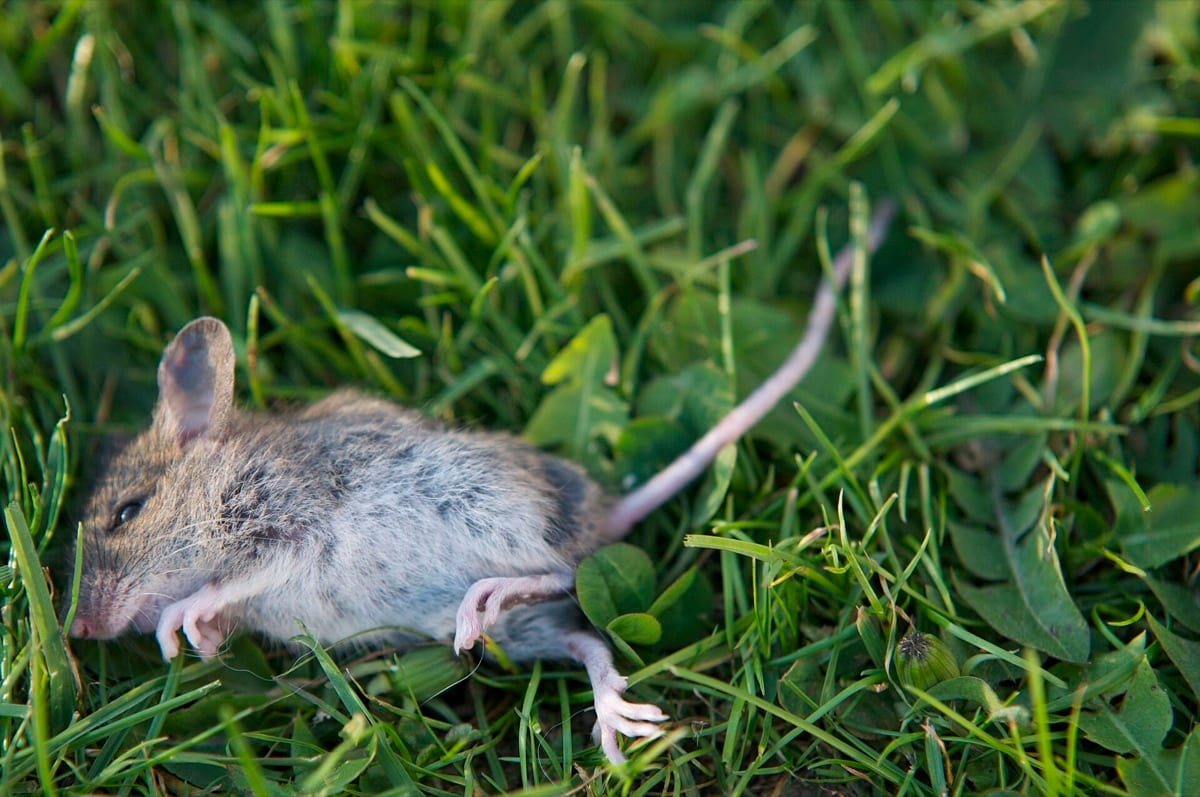 They come in from the perimeter when nights cool. Sealing the outside is what ends it. Photo by Niels Hartvig via Wikimedia Commons, CC BY-SA 2.0, resized.
Find the entry points from the outside
Walk the perimeter of the house slowly with the flashlight, down at ground level, and check every place something passes through the wall. The usual offenders: the gap around the dryer vent, the hole where the AC line set enters, gas and water pipe penetrations, the corners at the bottom of the garage door, gaps under siding at the sill plate, and any crawlspace vent with damaged screen. Push a pencil at anything suspicious. If it goes in, so does a mouse.
Pack and seal every gap
Stuff coarse steel wool or copper mesh tightly into each hole, packing it firm rather than loose. Mice can chew through foam, caulk, wood, and even soft plastic, but they cannot chew steel wool because it shreds their mouth. Then cap over it with silicone caulk or expanding foam to hold it in place and finish the seal. This is the step that actually ends the problem, and it is the one people skip because it takes an afternoon and the traps feel more satisfying.
Set traps along the walls, not in the middle
Place snap traps flush against the baseboard with the trigger end facing the wall, so a mouse running its usual route encounters the bait broadside. Mice hug walls and hate open floor, so a trap in the center of the room catches nothing. Set far more than feels reasonable, a dozen for a small problem, and concentrate them where the droppings are heaviest. Under the sink, behind the fridge, and along the back of pantry shelves are the high-traffic spots in most kitchens.
Bait with almost nothing
A pea-sized smear of peanut butter is right. A generous glob lets the mouse feed off the edge without triggering the bar, and cheese is worse than useless because it dries out and can be lifted off cleanly. Press the peanut butter into the trigger pan so it has to be worked at. Check traps daily and reset them, because the first two nights are usually the productive ones.
Clean up safely
This is the part with an actual health consequence. Never sweep or vacuum dry droppings, since that aerosolizes particles and hantavirus is transmitted by breathing them in. Put on gloves and a mask, spray the droppings and the surrounding surface with disinfectant or a bleach solution mixed roughly ten parts water to one part bleach, wait five minutes, then wipe up with paper towels and bag them. Wash the surface afterward and wash your hands even though you wore gloves.
Remove what brought them in
Mice stay where there is food. Move flour, rice, pasta, cereal, and pet food into hard containers with sealing lids, since a cardboard box is an invitation and a plastic bag is a formality. Sweep under the toaster and behind the stove. Outside, move firewood away from the foundation and trim shrubs back from the walls, because both give mice cover to work in.
Time and Cost
| Fix | Time | Cost |
|---|---|---|
| Seal entry points | 2–4 hrs | $20–$35 |
| Snap traps, a dozen | 30 min | $12–$20 |
| Safe droppings cleanup | 1 hr | $10 |
| Exterminator, initial visit | 1–2 hrs | $150–$350 |
| Exterminator contract | ongoing | $400–$600/yr |
Why This Works
A mouse is not trying to live with you, it is following warmth and food through the easiest available opening. Its skeleton has no rigid collarbone and its skull is the only part that cannot compress, so any gap that clears the skull clears the whole animal. That is why sealing is the durable fix: it changes the building rather than the population. Trapping addresses the mice already inside, and because a female can produce a litter every three weeks, removing them quickly matters. But traps in an unsealed house are a permanent subscription rather than a repair, which is exactly why the problem seems to come back every autumn.
Mistakes to Avoid
- Trapping without sealing. The single most common mistake. You will catch mice forever and never be finished.
- Using glue boards indoors. They catch the mouse without killing it, which means finding a live, screaming animal stuck to a board, and they catch lizards, birds, and curious pets just as well.
- Putting poison in the walls. The mouse dies where you cannot reach it. A dead mouse in a wall cavity smells for two to three weeks and there is nothing to be done but wait.
- Vacuuming droppings. Genuinely a health risk, and the one item on this list that can make you sick.
- Sealing with foam alone. Expanding foam feels permanent and mice chew straight through it in a night. Steel wool first, foam second.
Pests almost always arrive for the same two reasons, food and an opening, which is why the same approach works on insects with different specifics. If the kitchen is also drawing a trail of ants, stopping ants at the source uses the same seal-and-remove logic.
FAQ
How small a hole can a mouse get through?
A quarter inch, roughly the size of a pencil. A mouse skull is the limiting part and it compresses more than you would believe, so if you can push a pencil into a gap, a mouse can use it. That is why sealing works only when you get down at floor level with a flashlight and check every pipe, wire, and dryer vent penetration.
Why do I keep catching mice but they never stop coming?
Because trapping removes the mice inside while the entry point stays open, so the house keeps refilling from outside. Traps are the cleanup step, not the solution. Until the gaps around pipes, the garage door corners, and the sill plate are sealed, you are running a catch-and-replace service.
Should I use poison for mice?
Not indoors, in most cases. Poisoned mice die inside wall cavities where you cannot reach them, and the smell lasts weeks. There is also real secondary-poisoning risk to cats, dogs, and owls that eat the dying mouse. Snap traps kill quickly, let you confirm the count, and let you remove the body.
Is it safe to vacuum up mouse droppings?
No. Sweeping or vacuuming dry droppings sends particles airborne, which is the route hantavirus takes into your lungs. Spray droppings with a disinfectant or a bleach solution, let them sit five minutes, then wipe them up with paper towels while wearing gloves and a mask, and bag the towels.
Related fixes
Pests
How to Get Rid of Fruit Flies Overnight
Fruit flies breed in fermenting sugar, not just ripe fruit. Find the real source, set a vinegar trap tonight, and most kitchens are clear by morning.
Time15 min + overnight Cost$0–$10 easy


Pests
How to Stop Ants in the Kitchen
Kitchen ants follow food, water, and scent trails. Clean the trail, seal the entry point, and use bait so the colony carries it home for good.
Time20–30 min Cost$3–$12 easy