What Is a P-Trap?
The U-shaped bend under the sink that holds a splash of water to keep sewer smell out of the room.
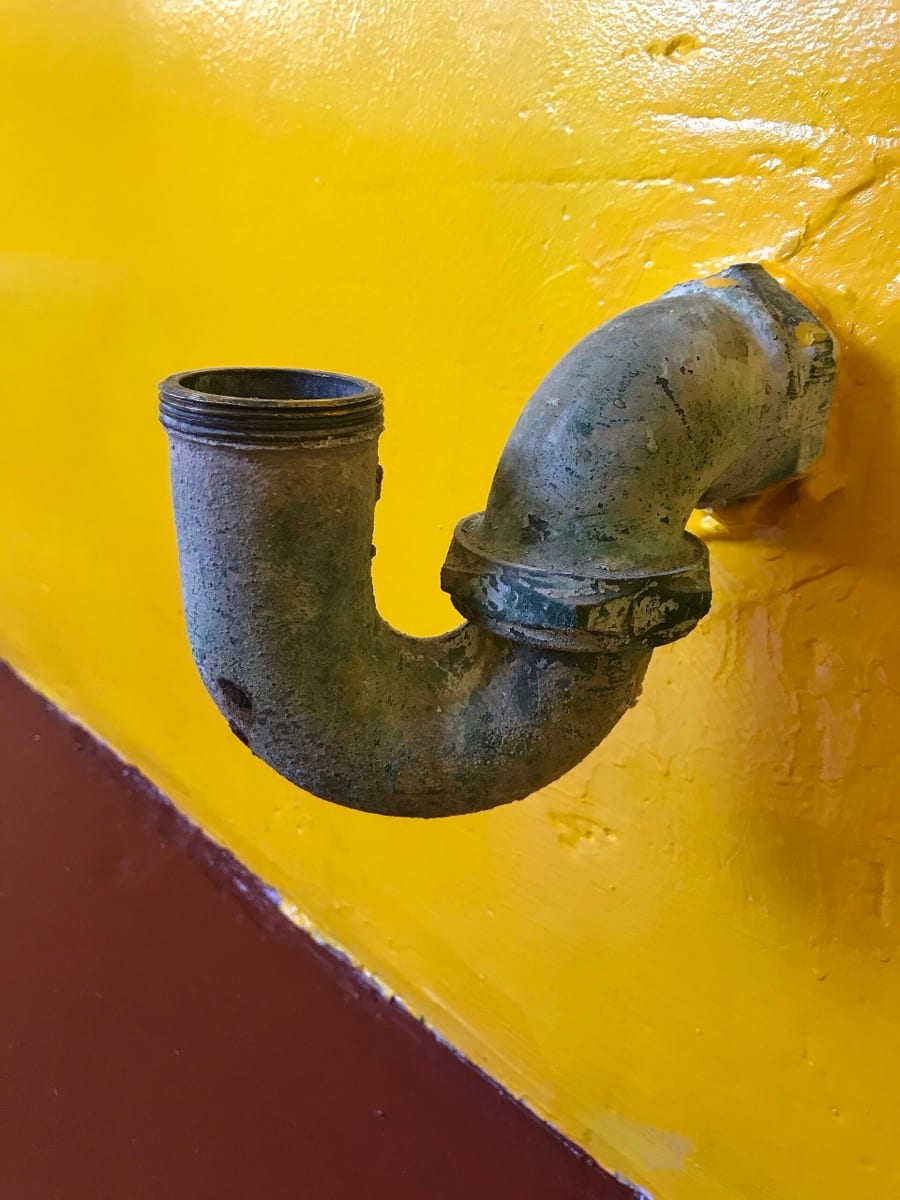
The U-shaped pipe under a sink that holds a small plug of water to block sewer gas from rising into the room. It unscrews by hand at two slip nuts, which makes it the easy access point for clogs that sit below the drain opening.
The water sitting in the bend is the entire point: it's a liquid seal. If a sink is rarely used, that water evaporates and sewer smell drifts up; the fix is simply running the tap for thirty seconds. A P-trap that drips at the joints needs its slip nuts snugged (hand-tight plus a quarter turn) or its beveled washers reseated. The washers cost pennies and are the usual culprit.
Opening one for a clog: put a bucket under it, unscrew both slip nuts by hand, and the trap comes free full of water. Dump it, scrub the inside, check the wall-side pipe within reach, and reassemble. Plastic (PVC) traps are what most US homes have and are fully hand-serviceable; chrome-plated metal traps corrode from the inside and often need replacing outright ($8–$15) rather than cleaning.
Fixes that use this
Kitchen
Garbage Disposal Smells? Clean It in 10 Minutes (3 Steps)
A stinky disposal is rotting film on the splash guard and chamber walls, not a broken unit. Scrub, flush, and deodorize it with $2 of pantry staples.
Time10–15 min Cost$0–$5 easy
Kitchen
How to Fix a Leak Under the Kitchen Sink in One Evening
A leak under the kitchen sink is a supply line, the faucet, a drain joint, or the dishwasher hose. A 10-minute test finds which. Most fixes are under $15.
Time30–90 min Cost$0–$25 easy
Bathroom
How to Unclog a Toilet Fast, With or Without a Plunger
Most clogged toilets clear with a flange plunger in five minutes. No plunger? Dish soap and hot water can do it while you wait in another room.
Time5–30 min Cost$0–$25 easy
Bathroom
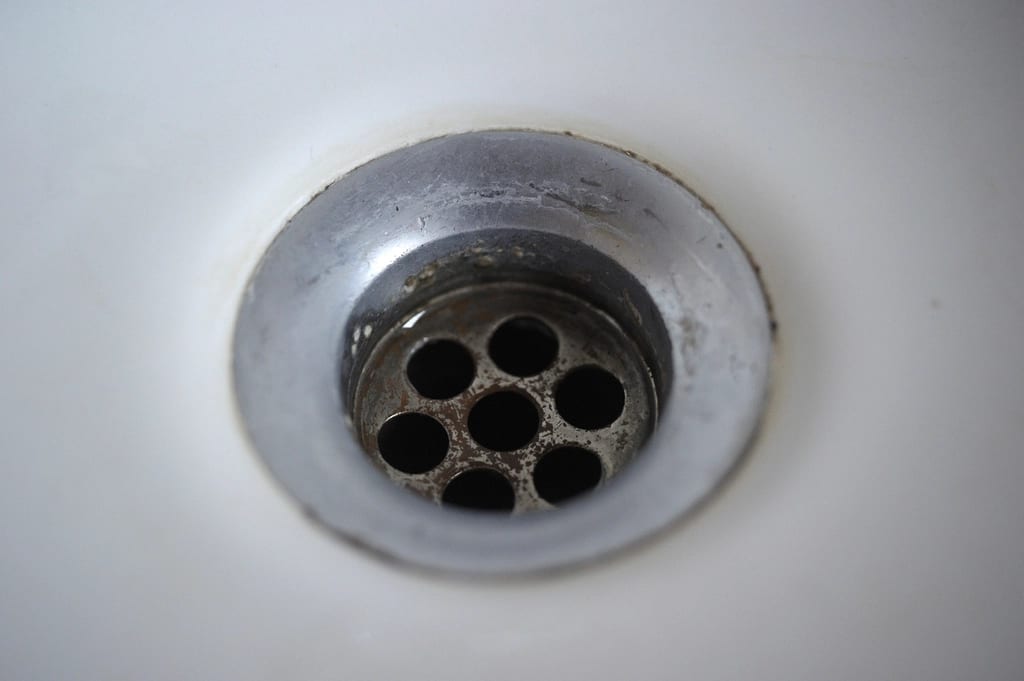
Unclog a Slow Bathroom Sink in 15 Minutes, No Chemicals
A slow bathroom sink is almost always hair caught at the pop-up stopper. Pull it, clear it with a $4 zip tool, and clean the P-trap if needed.
Time15–30 min Cost$3–$5 easy

Kitchen
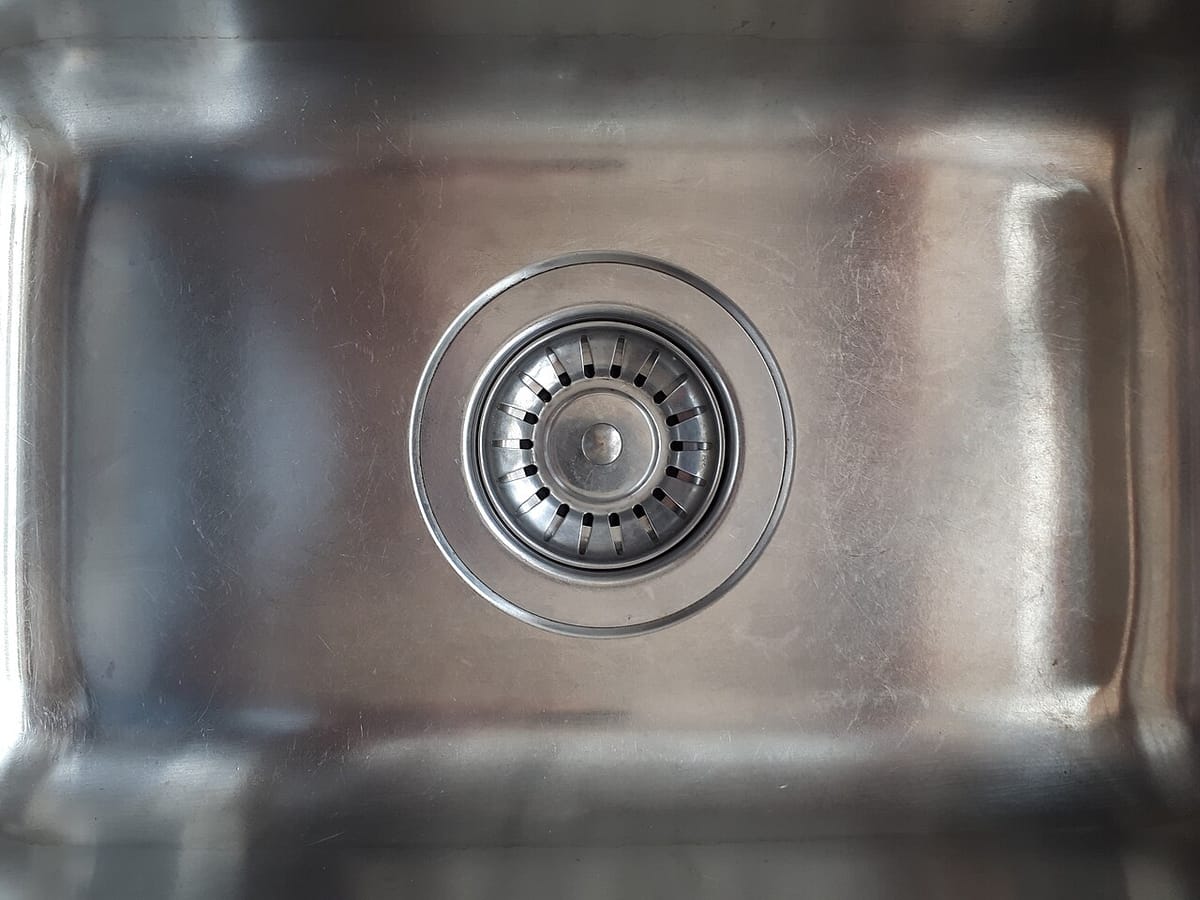
How to Unclog a Kitchen Sink Drain Without Calling a Plumber
A kitchen sink that won't drain is almost always grease packed in the P-trap. Plunge it right, pull the trap, and snake the line in under an hour for $15.
Time20–60 min Cost$0–$40 easy
Related terms
Flapper Fill valve Pivot rod Pop-up stopper Drain snake Shutoff valve Biofilm PTFE tape