Search the site
Popular searches: running toilet, low shower pressure, shower drain clogged, GFCI won't reset, washing machine smells.
95 results available right now
Articles
Browse categories →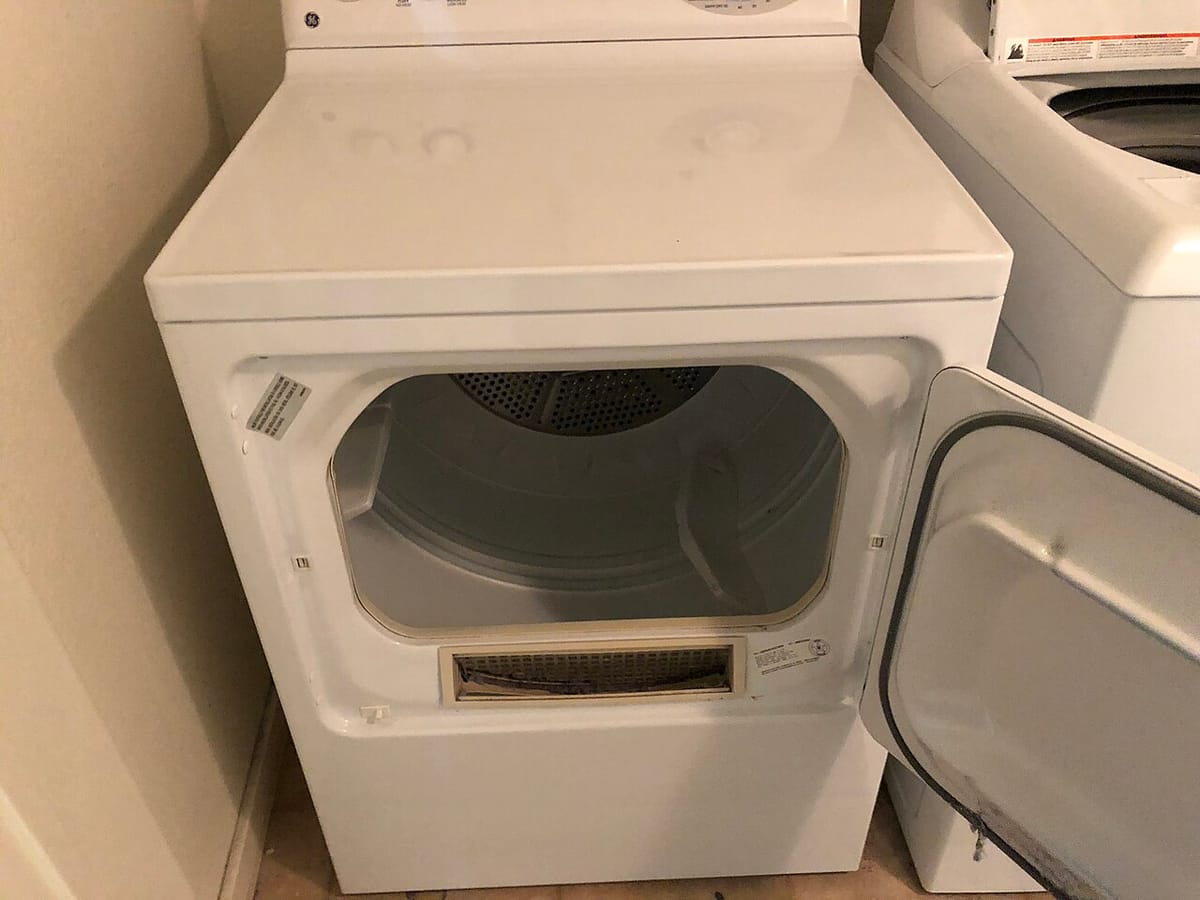
Laundry & Cleaning
Dryer Not Heating: What to Check Before Calling a Repair Tech
A dryer that runs cold has a tripped breaker leg, a clogged vent, a blown thermal fuse, or a dead element. Check them in order. Most fixes cost under $30.
Time30–90 min Cost$0–$60 moderate
Walls, Doors & Floors
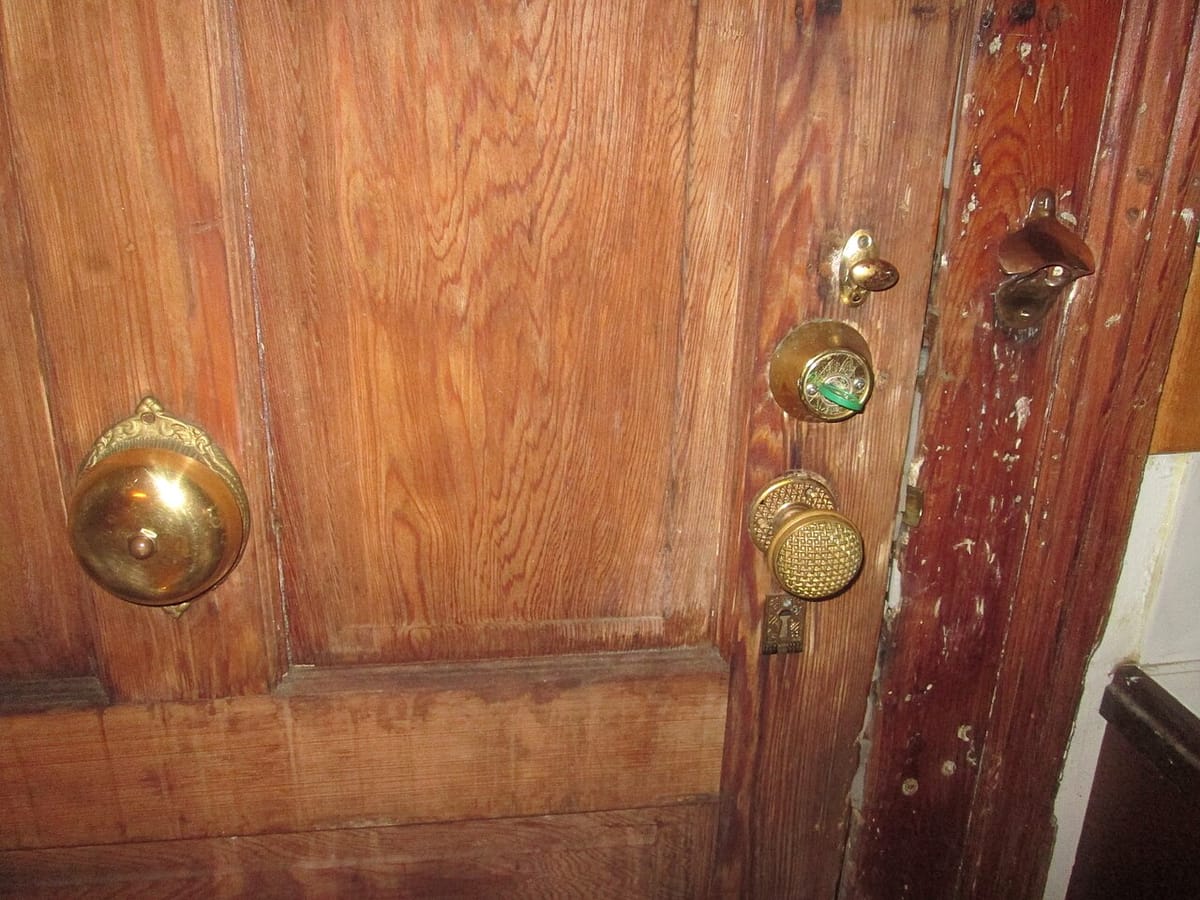
How to Fix a Door That Won't Latch or Stay Closed
A door that won't latch has a strike plate out of line with the bolt, usually by under 1/4 inch. Mark it with lipstick, then file, shim, or move the plate.
Time15–45 min Cost$0–$12 easy
Kitchen
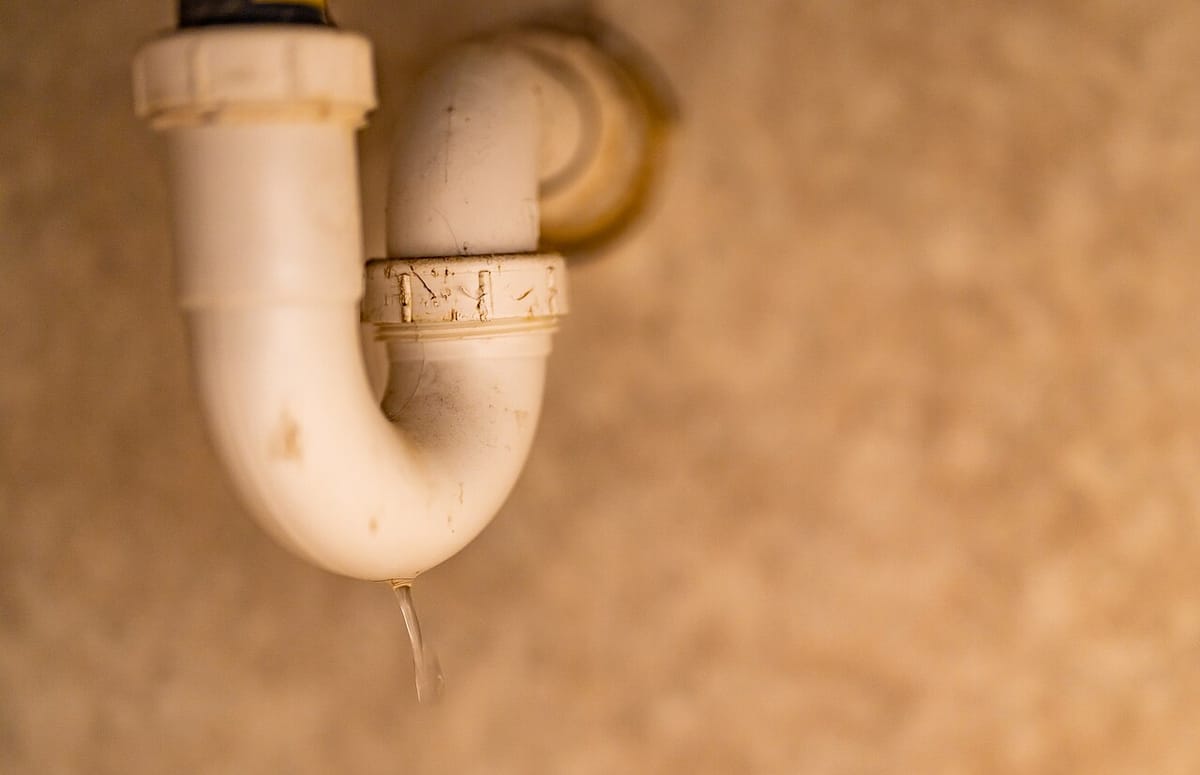
How to Fix a Leak Under the Kitchen Sink in One Evening
A leak under the kitchen sink is a supply line, the faucet, a drain joint, or the dishwasher hose. A 10-minute test finds which. Most fixes are under $15.
Time30–90 min Cost$0–$25 easy
Heating & Cooling
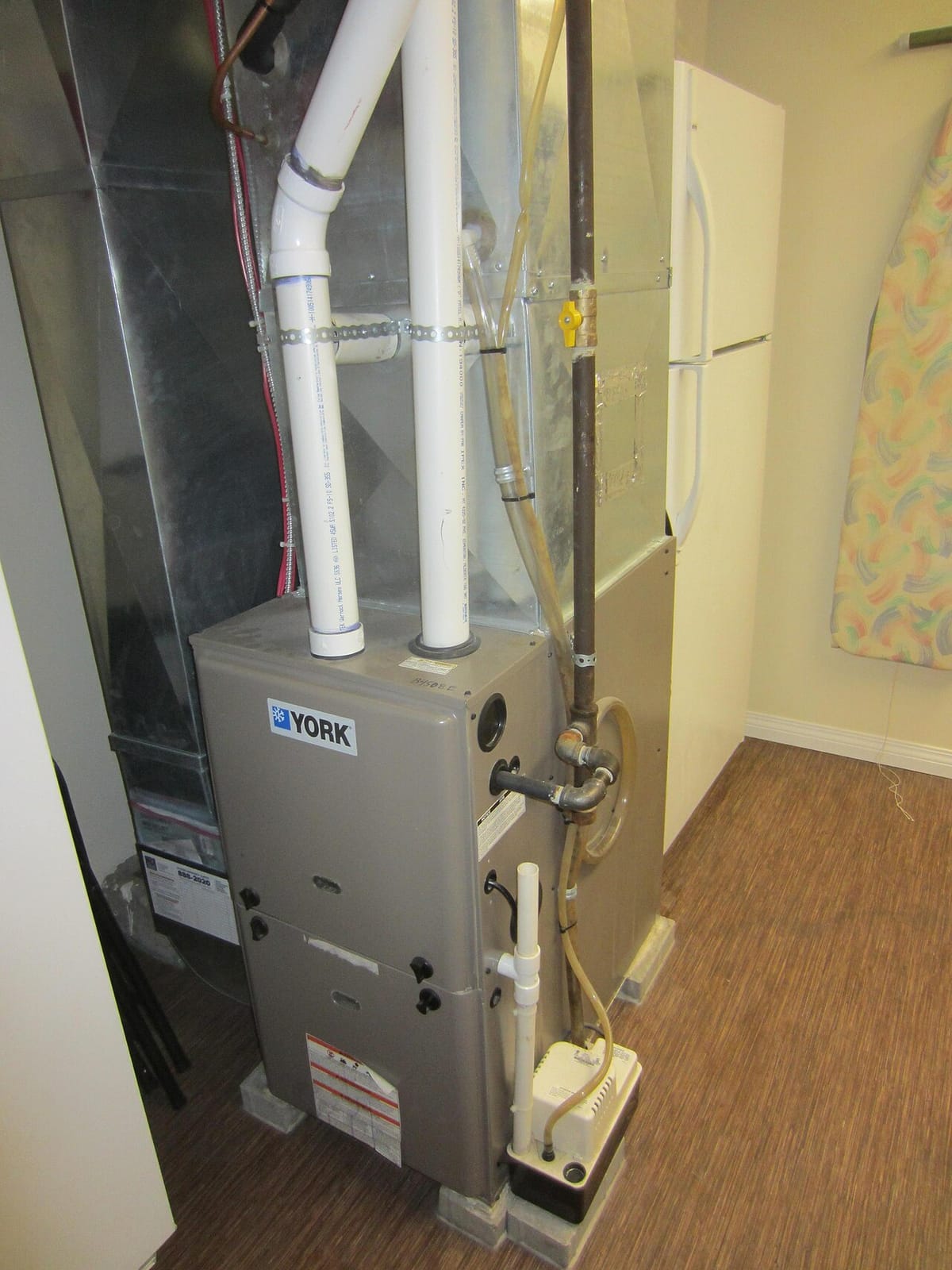
Furnace Not Turning On: 7 Checks Before You Call for Service
A furnace that won't start is usually a thermostat setting, tripped breaker, power switch, clogged filter, or loose blower door. Check those five first.
Time15–45 min Cost$0–$25 moderate

Pests
How to Get Rid of Gnats in the House for Good
Gnats over houseplants are fungus gnats breeding in wet soil. Dry the pots, trap the adults, and kill the larvae with a $10 BTI drench. Gone in 3 weeks.
Time20 min, then 3 weeks of follow-through Cost$10–$25 easy
Electrical
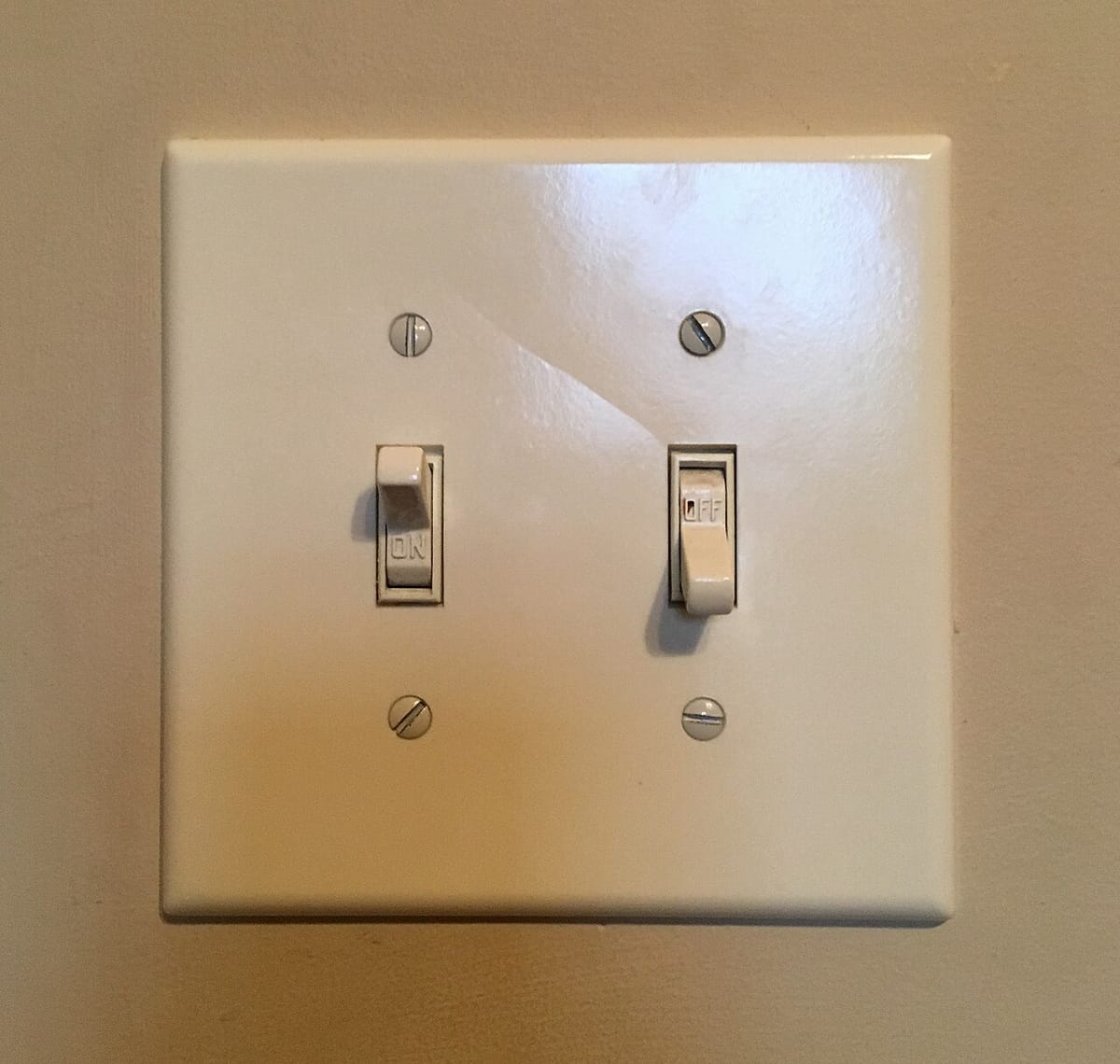
How to Replace a Light Switch Safely in 20 Minutes
Replacing a single-pole light switch takes a $3 switch, a screwdriver, and a voltage tester. Kill the breaker, prove it's dead, move two wires, done.
Time20–30 min Cost$3–$25 moderate
Kitchen
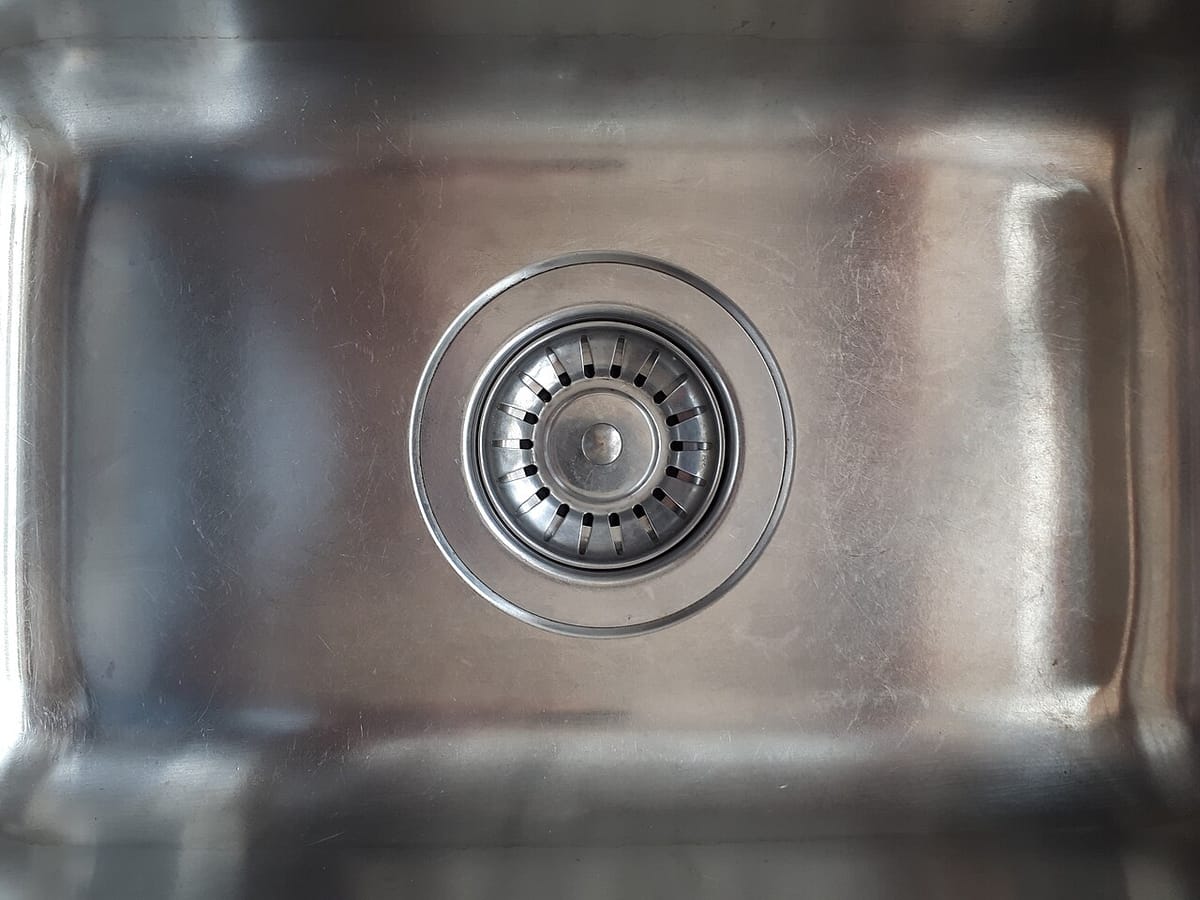
How to Unclog a Kitchen Sink Drain Without Calling a Plumber
A kitchen sink that won't drain is almost always grease packed in the P-trap. Plunge it right, pull the trap, and snake the line in under an hour for $15.
Time20–60 min Cost$0–$40 easy
Outdoors & Seasonal
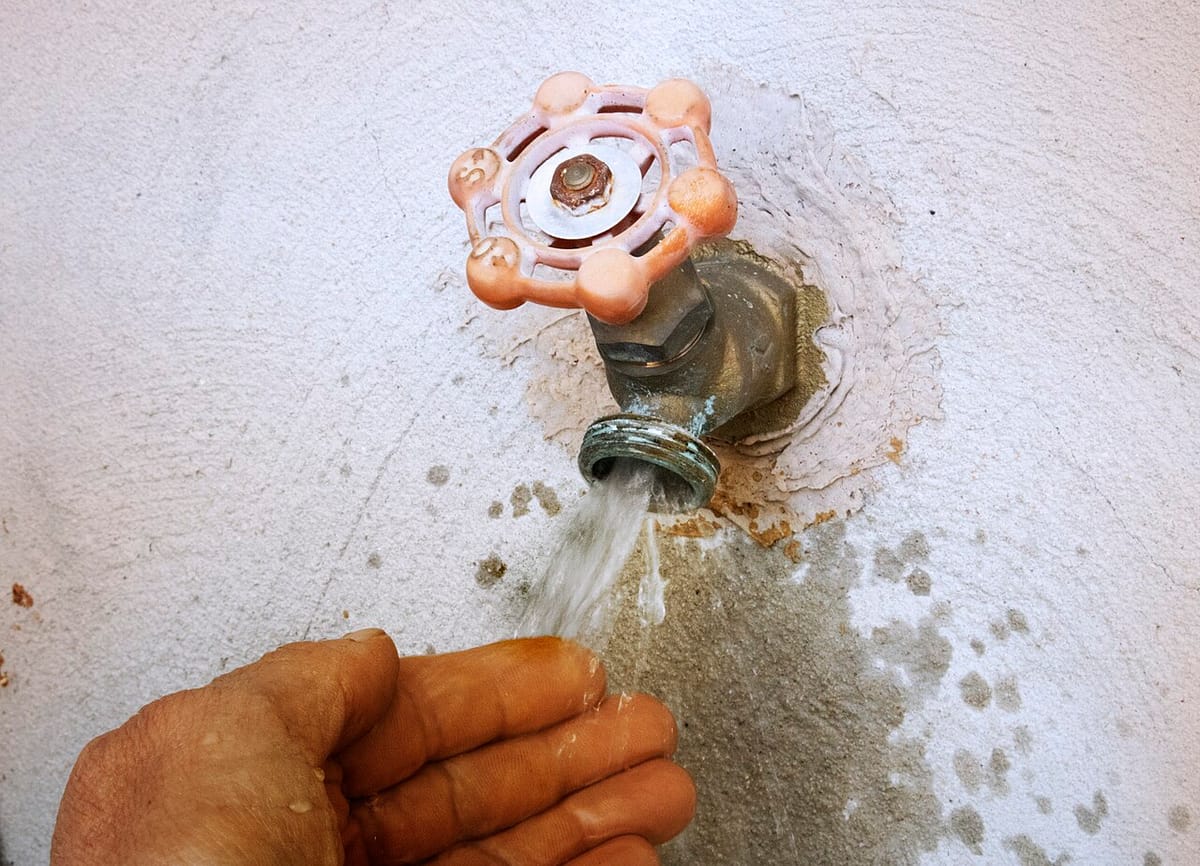
How to Winterize Outdoor Faucets Before the First Freeze
Pull the hose, close the indoor shutoff, drain the spigot, and cover it. 15 minutes per faucet in October prevents a burst pipe in the wall in January.
Time15 min per faucet Cost$0–$15 easy
Kitchen
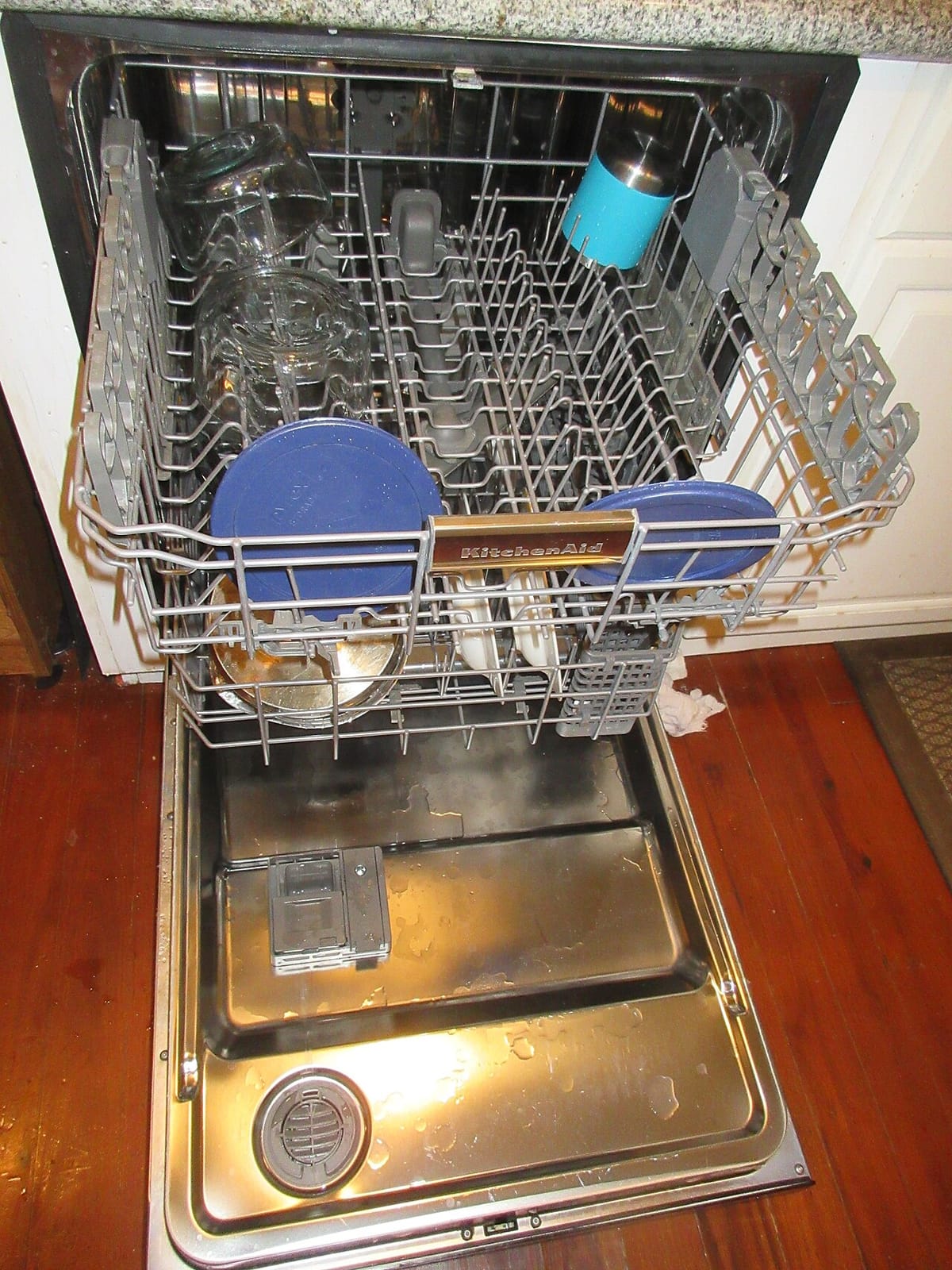
How to Clean a Dishwasher Filter in 10 Minutes
Gritty glasses and a swampy smell mean the filter is overdue. Twist it out of the tub floor, scrub it under hot water, and put ten minutes on it.
Time10–15 min Cost$0–$10 easy
Kitchen
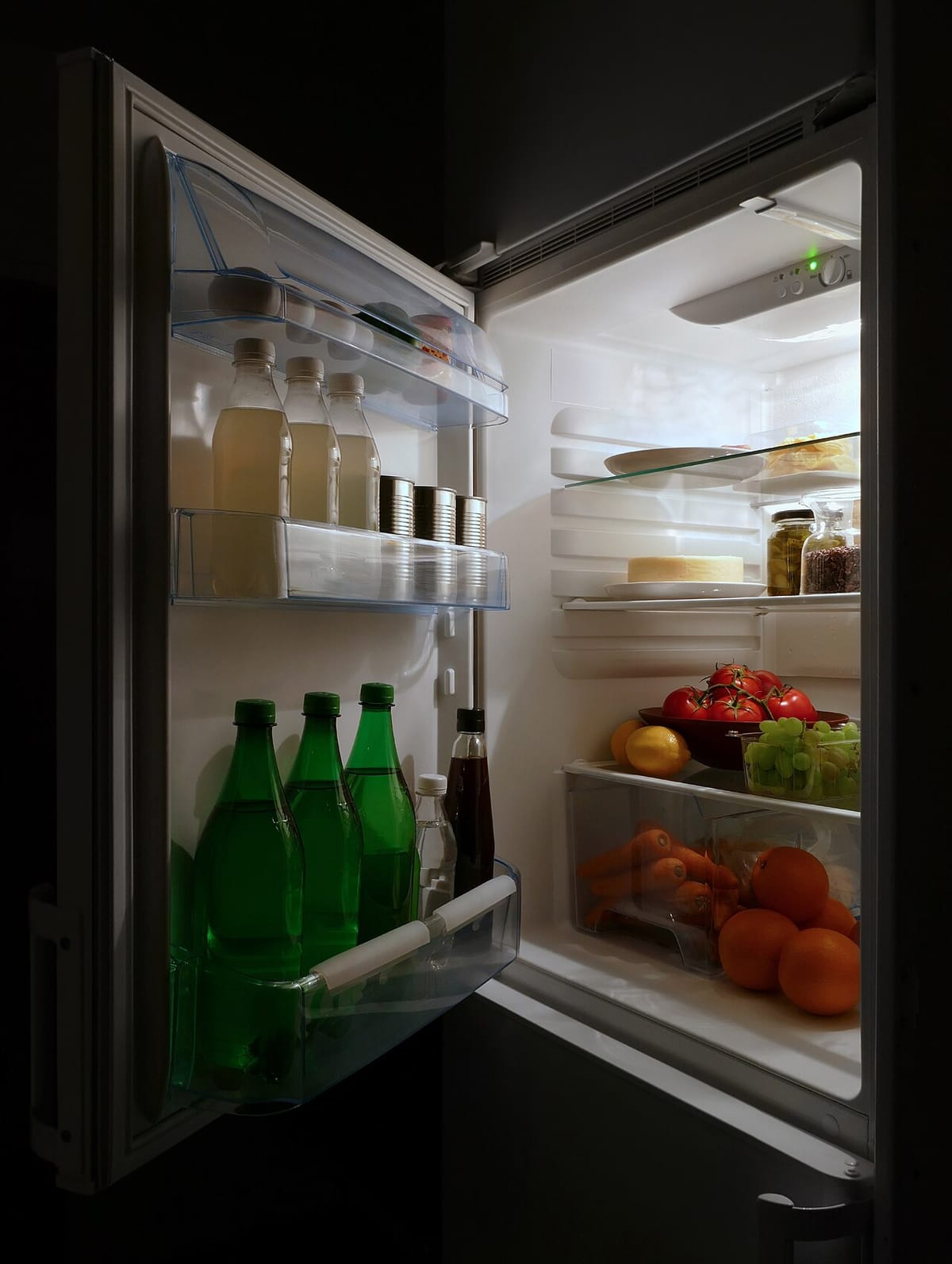
Refrigerator Leaking Water Inside? Check the Defrost Drain
Water pooling under the crisper drawers points to a frozen defrost drain. Clear it with warm water and a baster, no parts, in about 30 minutes.
Time30–45 min Cost$0–$15 easy
Laundry & Cleaning
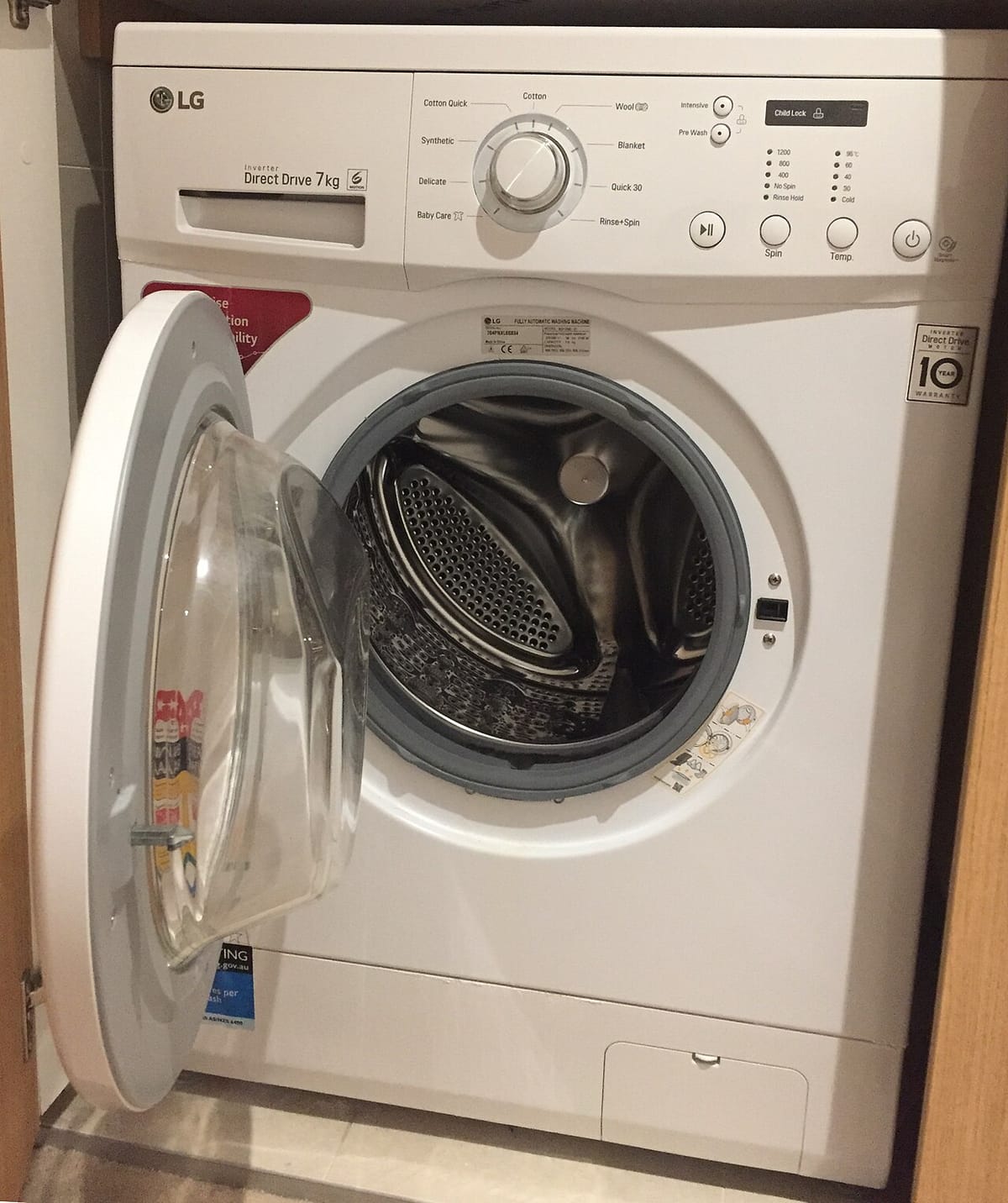
How to Stop a Washing Machine Shaking During Spin
A washer that bangs and walks on spin is unbalanced, unlevel, or still wearing its shipping bolts. Ten minutes with a wrench usually settles it.
Time20–40 min Cost$0–$30 easy
Outdoors & Seasonal
How to Clean Gutters Without Falling Off the Ladder
Clogged gutters dump water at your foundation. Here is the safe ladder setup, the scoop-and-flush method, and the downspout test most people skip.
Time2–4 hrs Cost$0–$60 moderate
Kitchen
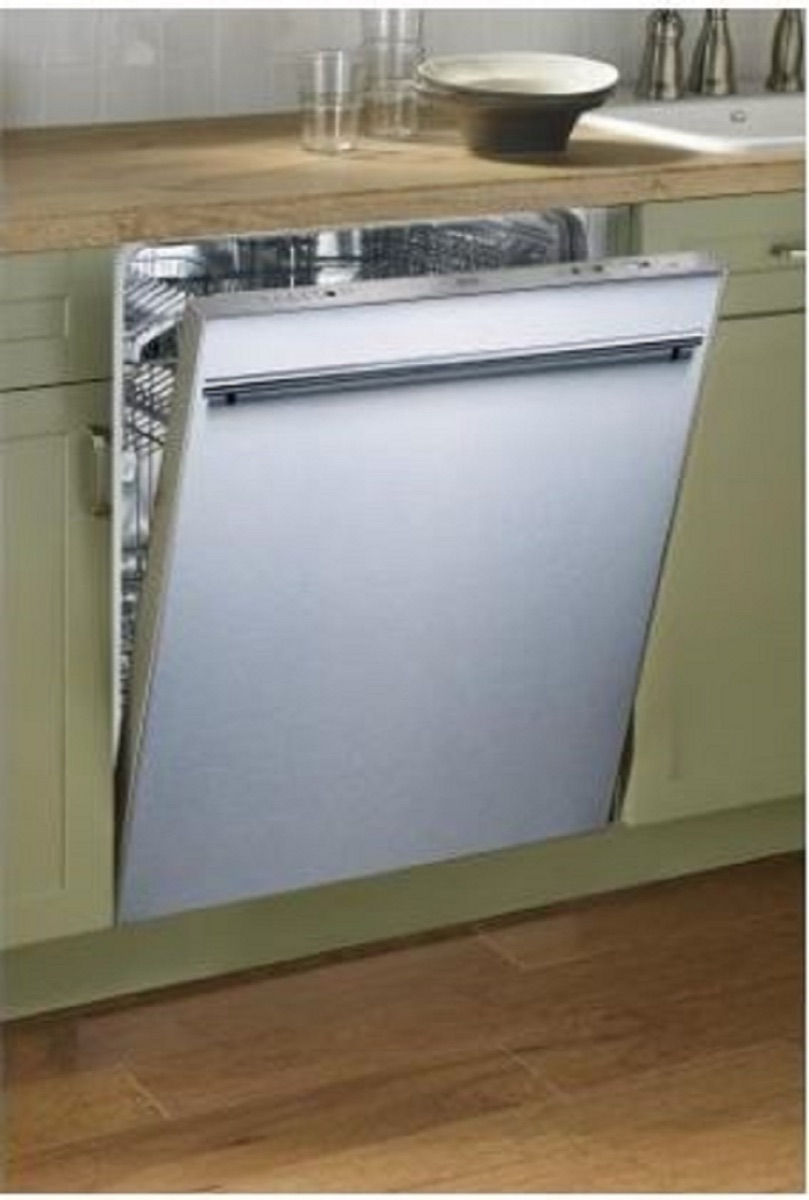
Dishwasher Not Draining? Work This List in Order
Standing water in a dishwasher is usually the filter, the air gap, or a disposal plug nobody knocked out. Here is the order that finds it fastest.
Time30–60 min Cost$0–$25 moderate
Laundry & Cleaning
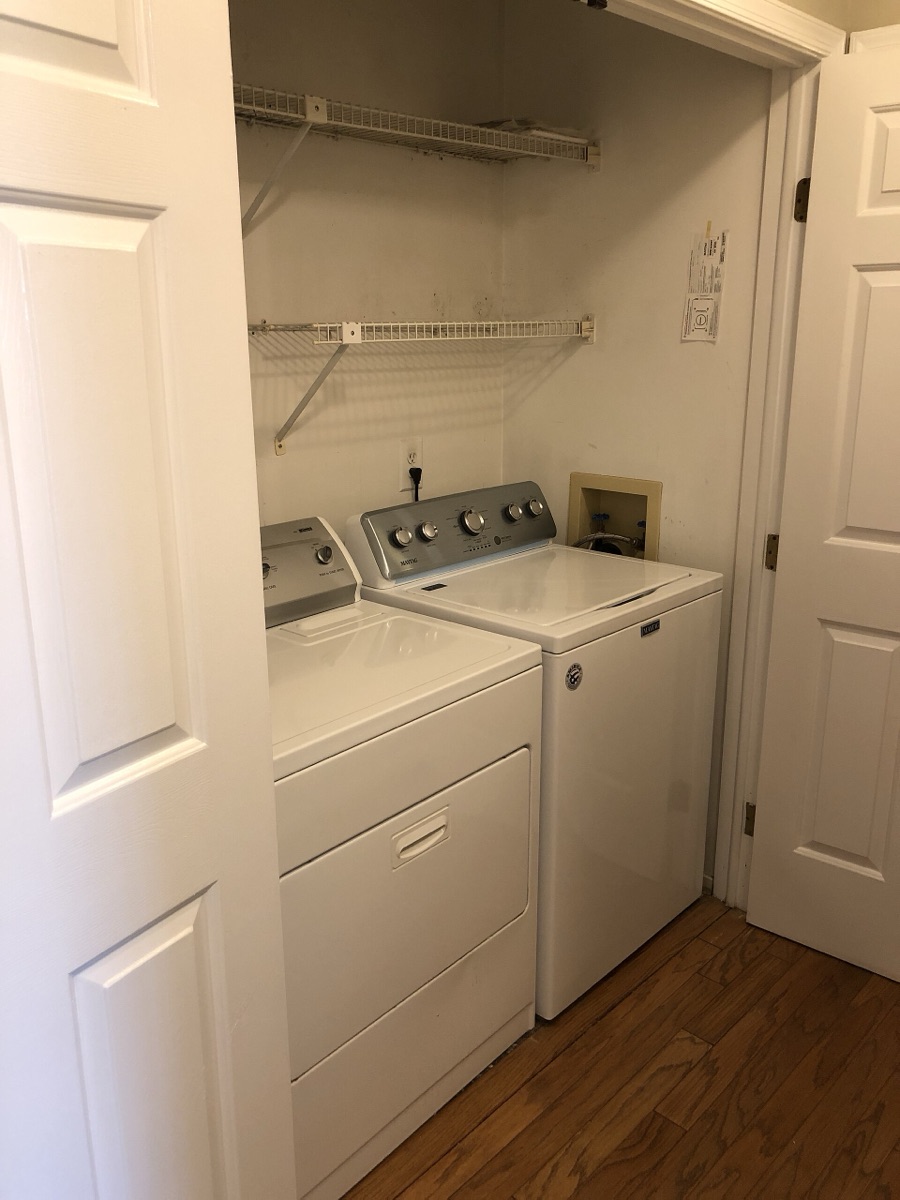
Dryer Takes Too Long? It's Almost Always Airflow
A dryer that needs two cycles is starved for air, not short on heat. Test the lint screen with water, then clear the duct run from both ends.
Time45–90 min Cost$0–$40 moderate

Walls, Doors & Floors
How to Fix a Sticking Door (Tighten the Hinges First)
Most sticking doors are sagging, not swollen. One long screw in the top hinge pulls the door back square, and it costs about fifty cents to try.
Time20–60 min Cost$0–$15 easy
Electrical
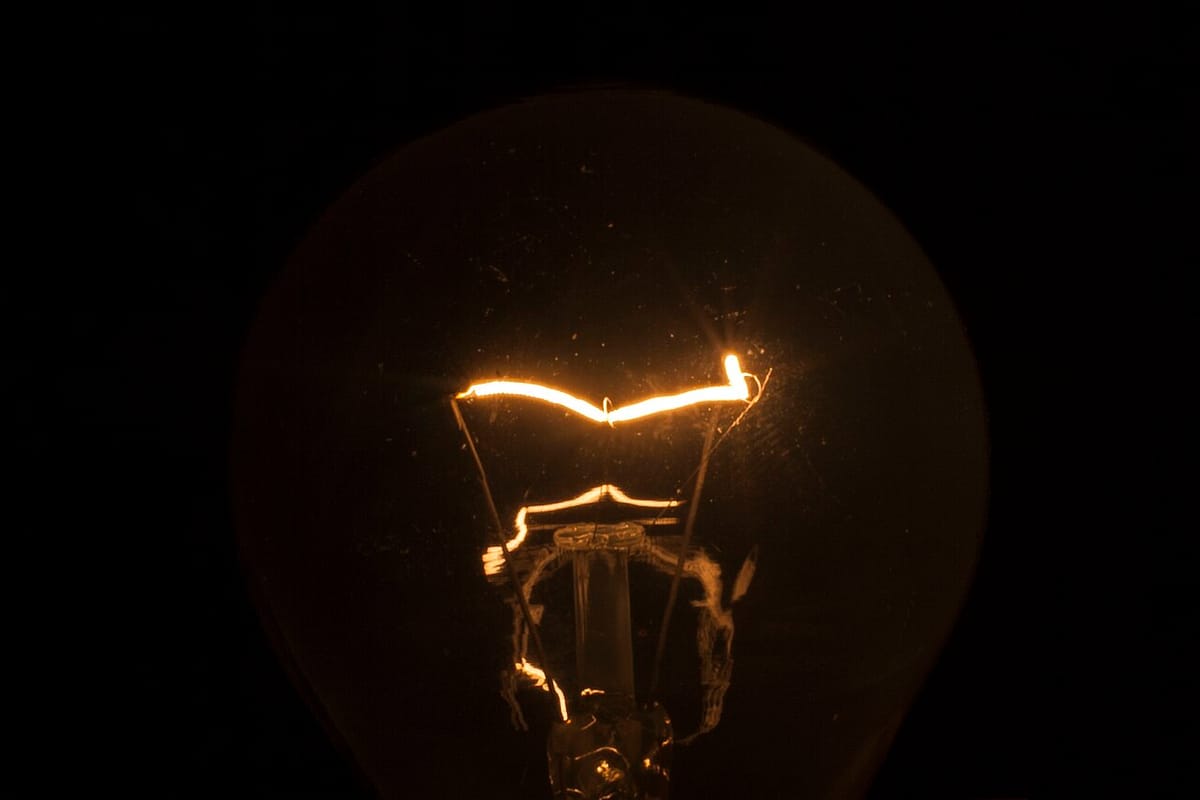
Lights Flickering? One Bulb Is Fine, the Whole House Isn't
Flicker in one fixture is usually a loose bulb or a dimmer that hates LEDs. Flicker across the whole house is a warning worth calling about today.
Time15–45 min Cost$0–$30 easy
Walls, Doors & Floors
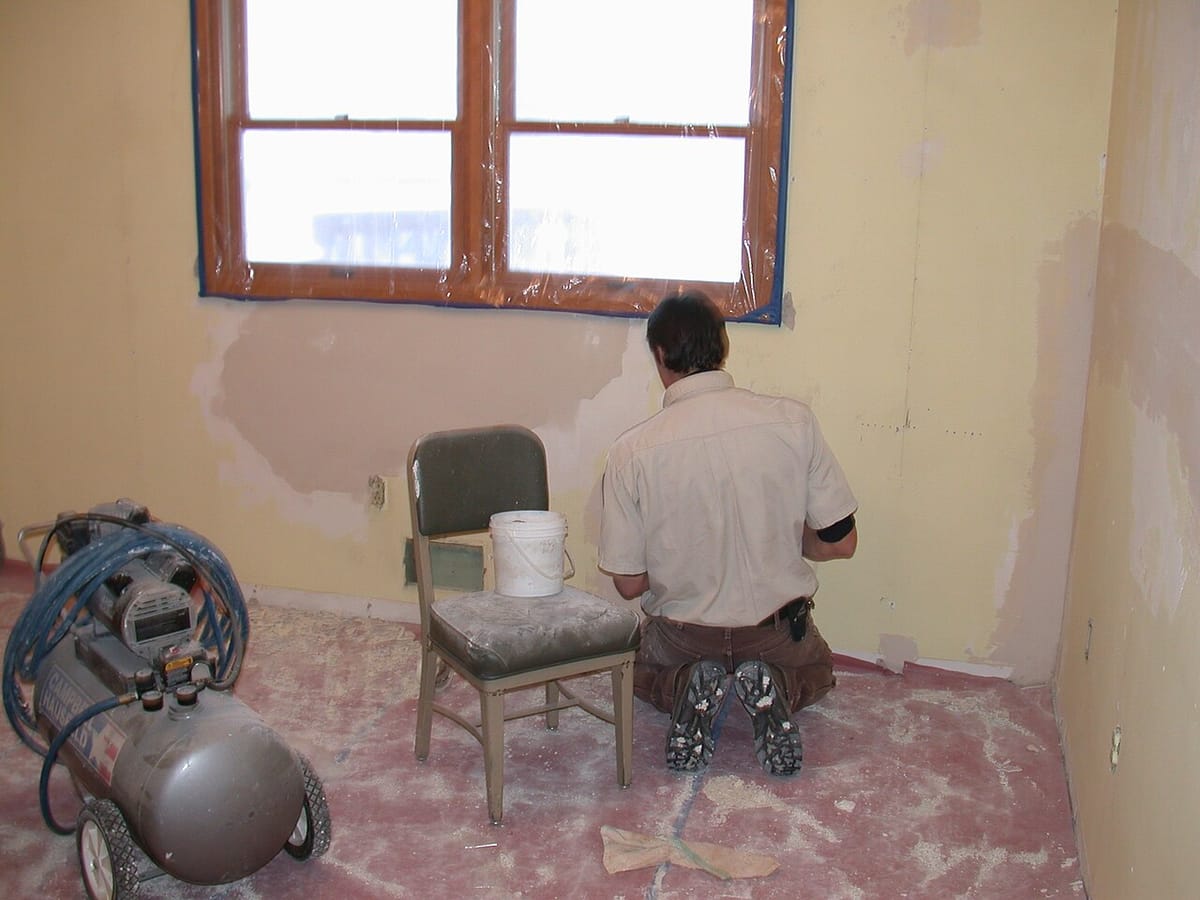
Patch a Hole in Drywall (Doorknob, Fist, or Anchor Size)
The size of the hole decides the method. Under four inches takes a mesh patch, bigger needs a backed plug. Three thin coats beat one thick one.
Time1 hr plus drying Cost$10–$35 moderate
Outdoors & Seasonal
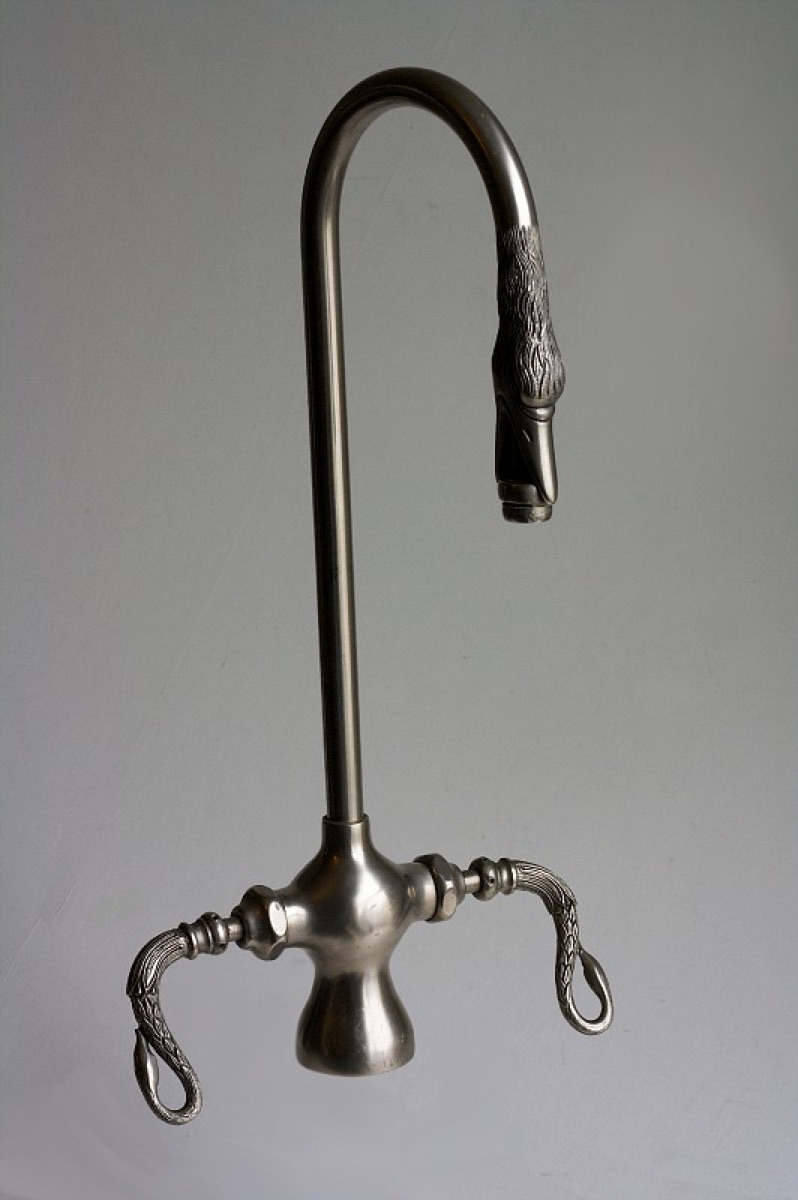
Outdoor Faucet Leaking? Where It Drips Tells You Why
A spigot that drips from the spout needs a washer. One that weeps around the handle needs the packing nut. Two different fixes, both under $10.
Time20–45 min Cost$3–$25 easy

Walls, Doors & Floors
How to Fix a Squeaky Floor From Above or Below
A floor squeak is a nail rubbing in its hole where the subfloor lifted off the joist. Fix it from the basement with glue and a shim, or from above.
Time30 min–2 hrs Cost$10–$40 moderate
Kitchen
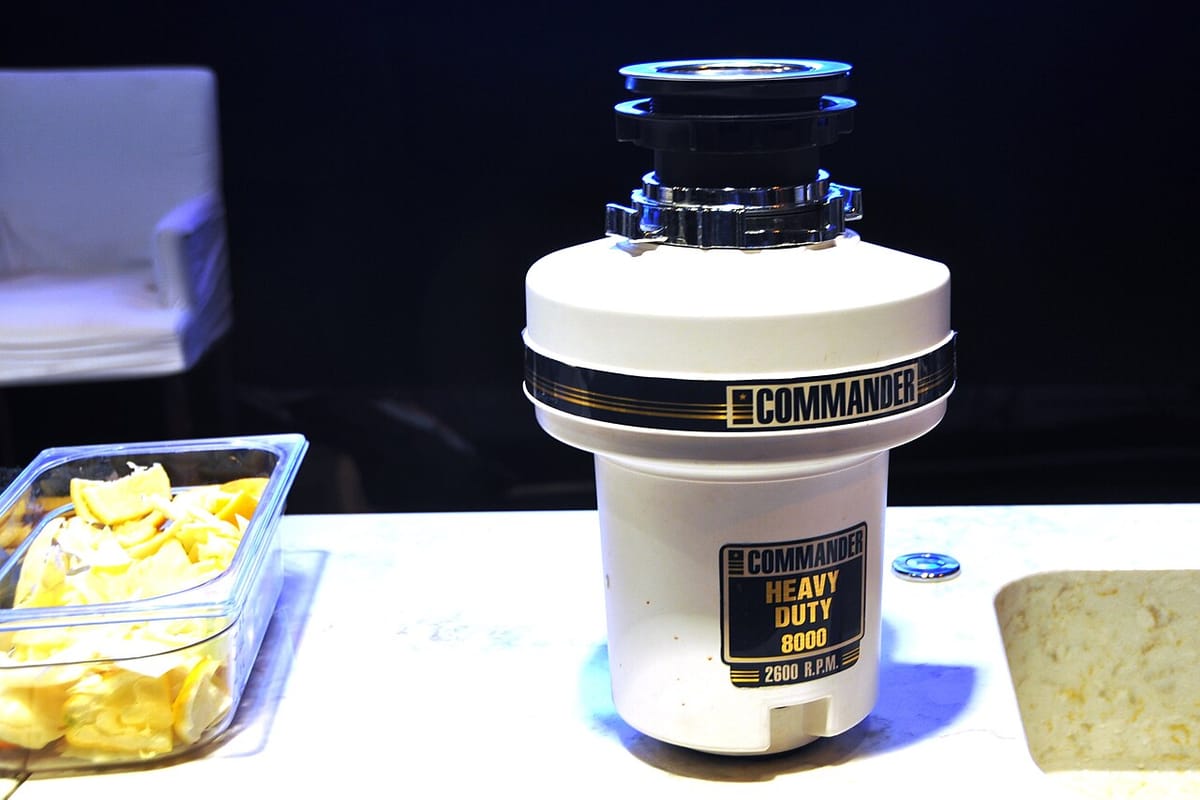
Garbage Disposal Not Working? Humming vs Silence
A humming disposal is jammed and fixable in ten minutes. A silent one tripped its reset. Two symptoms, two different fixes, both usually free.
Time10–20 min Cost$0–$15 easy
Pests
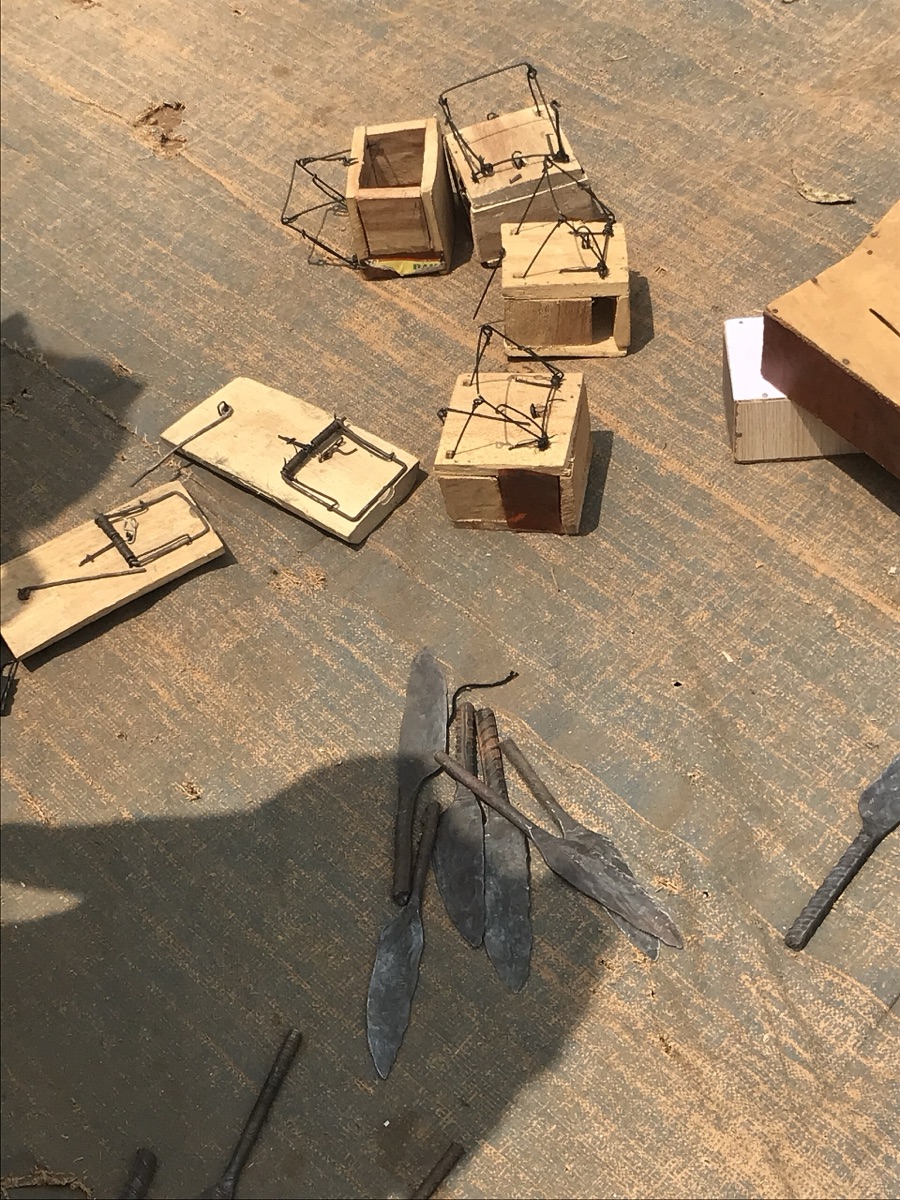
How to Get Rid of Mice for Good (Seal First, Trap Second)
Trapping alone never ends a mouse problem. Find and seal the entry holes first, then trap what's already inside, and clean droppings the safe way.
Time2–4 hrs Cost$20–$60 moderate
Pests
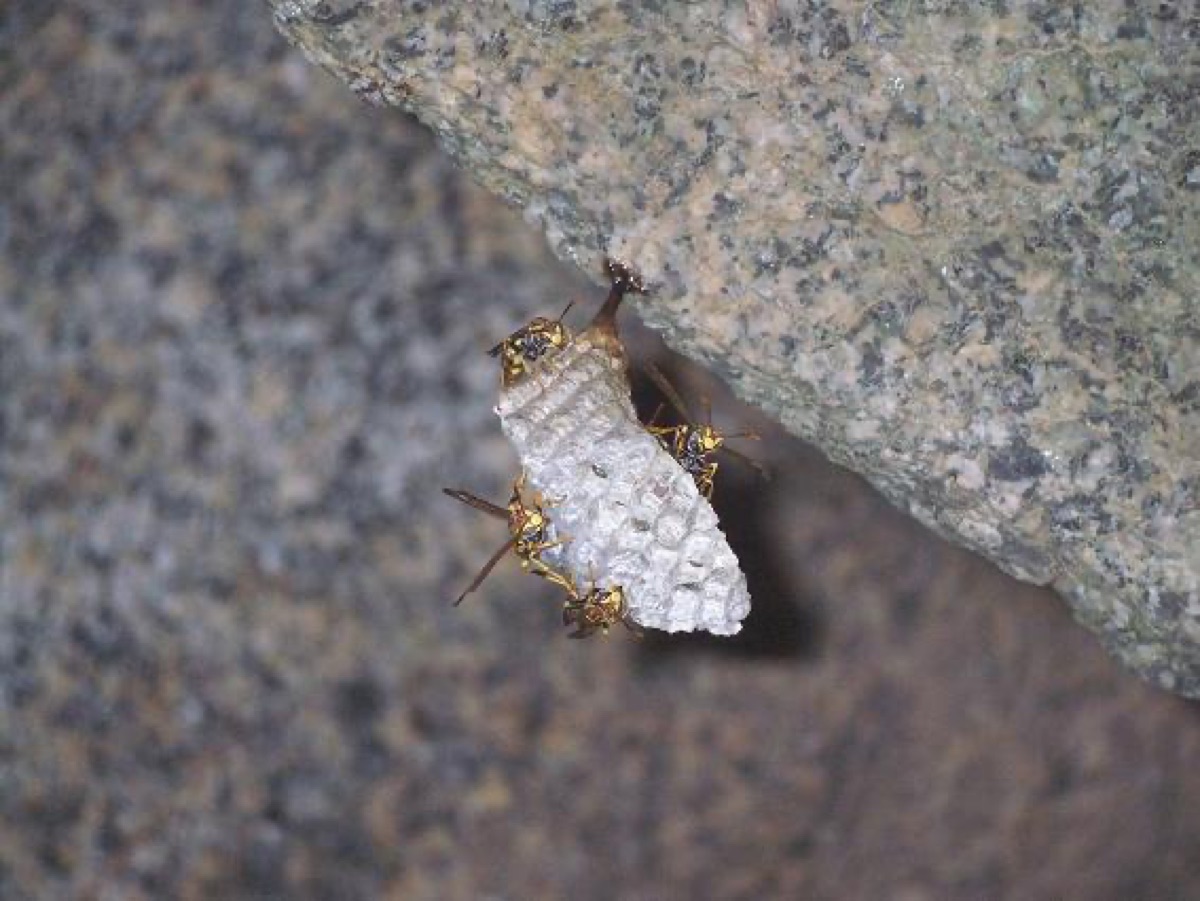
Get Rid of Wasps Safely: Treat the Nest After Dark
Late summer nests are at peak size and peak temper. Identify the nest, treat it after dark from the ground, and know which three cases need a pro.
Time20–40 min Cost$8–$20 involved
Heating & Cooling
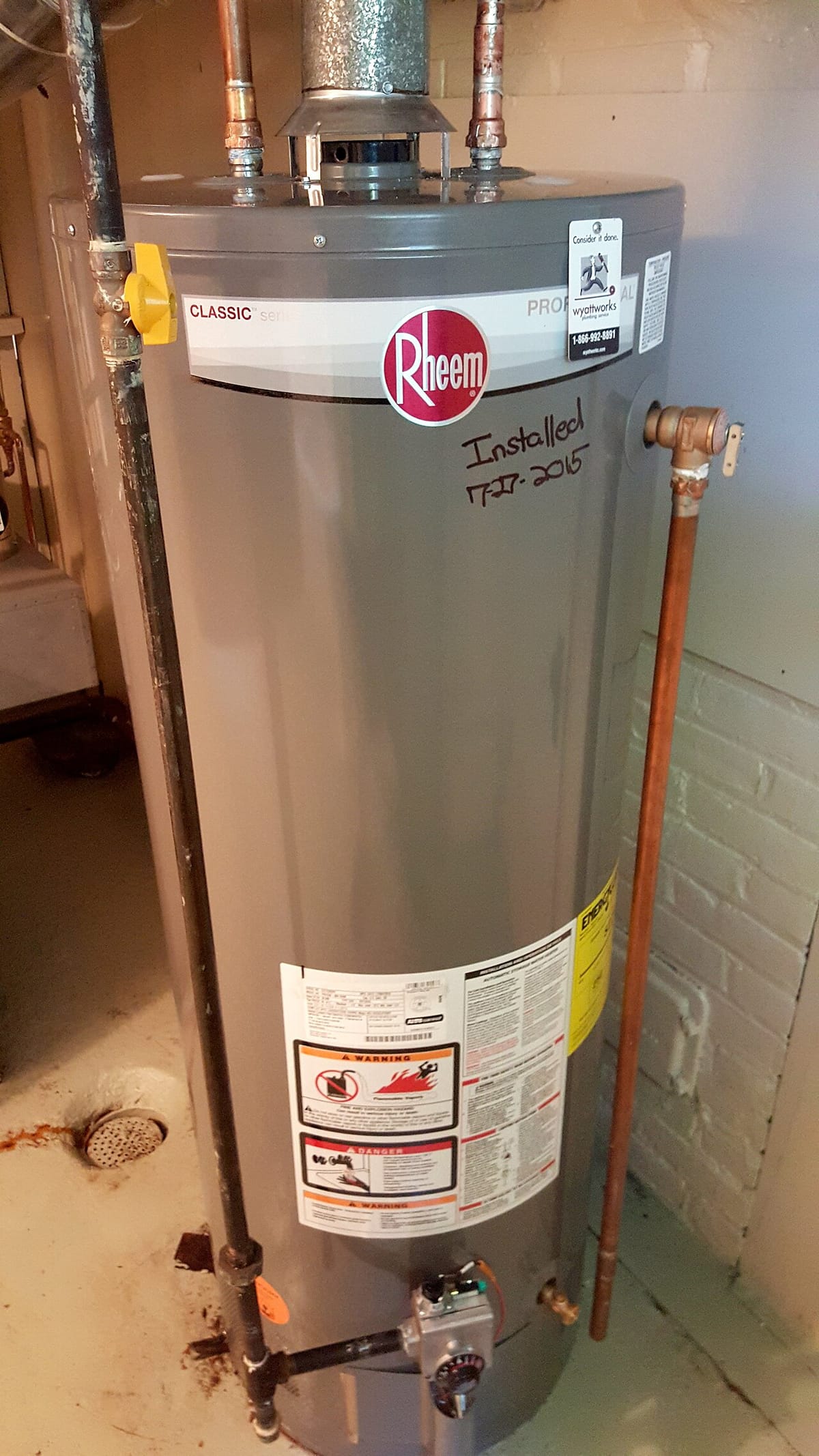
No Hot Water? Start With the Reset Button or the Pilot
Electric heaters have a hidden red reset button behind the access panel. Gas heaters have a pilot. Both explain most sudden losses of hot water.
Time20–60 min Cost$0–$45 moderate
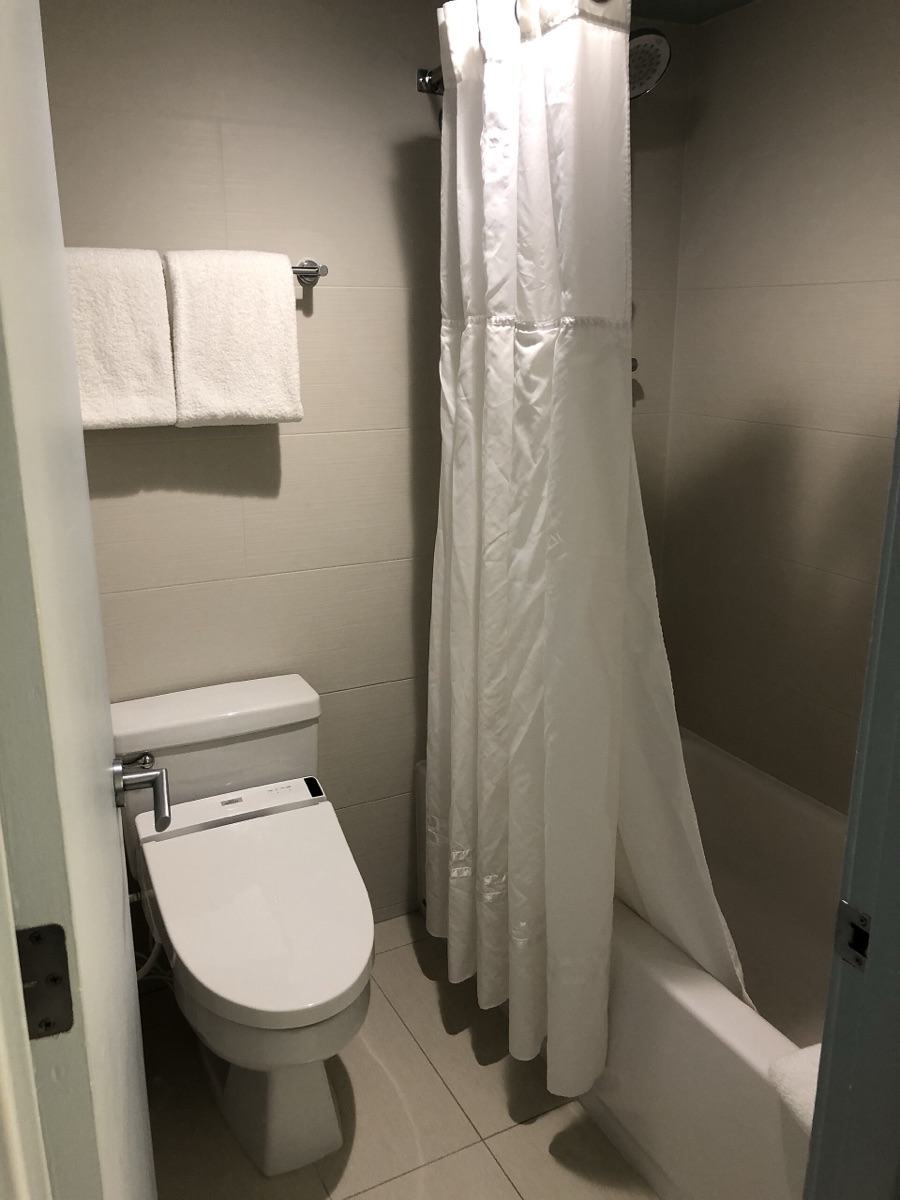
Bathroom
Remove Mold From Shower Caulk (Bleach Won't Do It)
If the black spots don't wipe away, the mold is rooted inside the silicone and no cleaner reaches it. Here is the test, and the two hour recaulk.
Time2–3 hrs plus curing Cost$12–$30 moderate
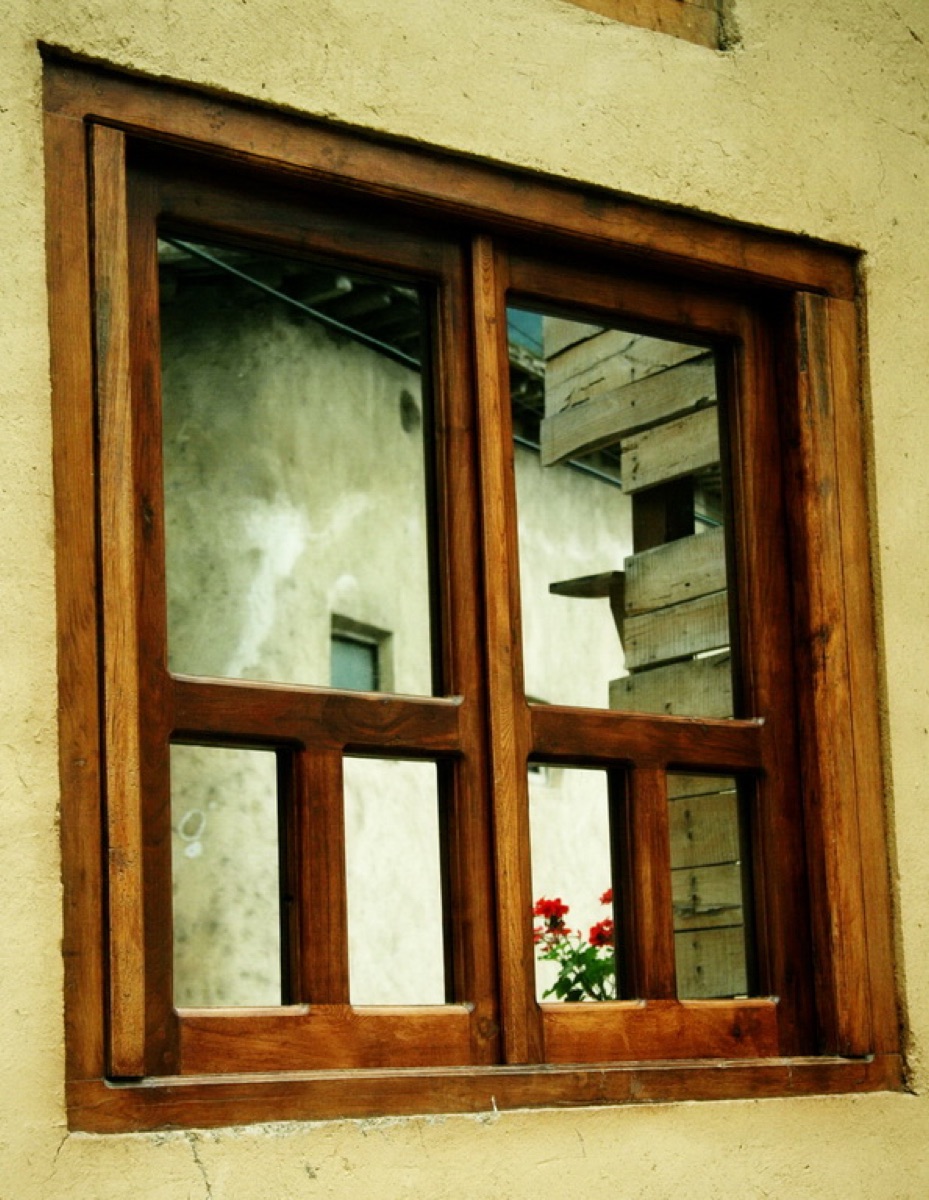
Outdoors & Seasonal
Seal Drafty Windows Before the First Cold Snap
Find the leak with a smoking incense stick, then match the fix to the gap. And never caulk the weep holes at the bottom of a vinyl window frame.
Time30 min–2 hrs Cost$10–$45 easy
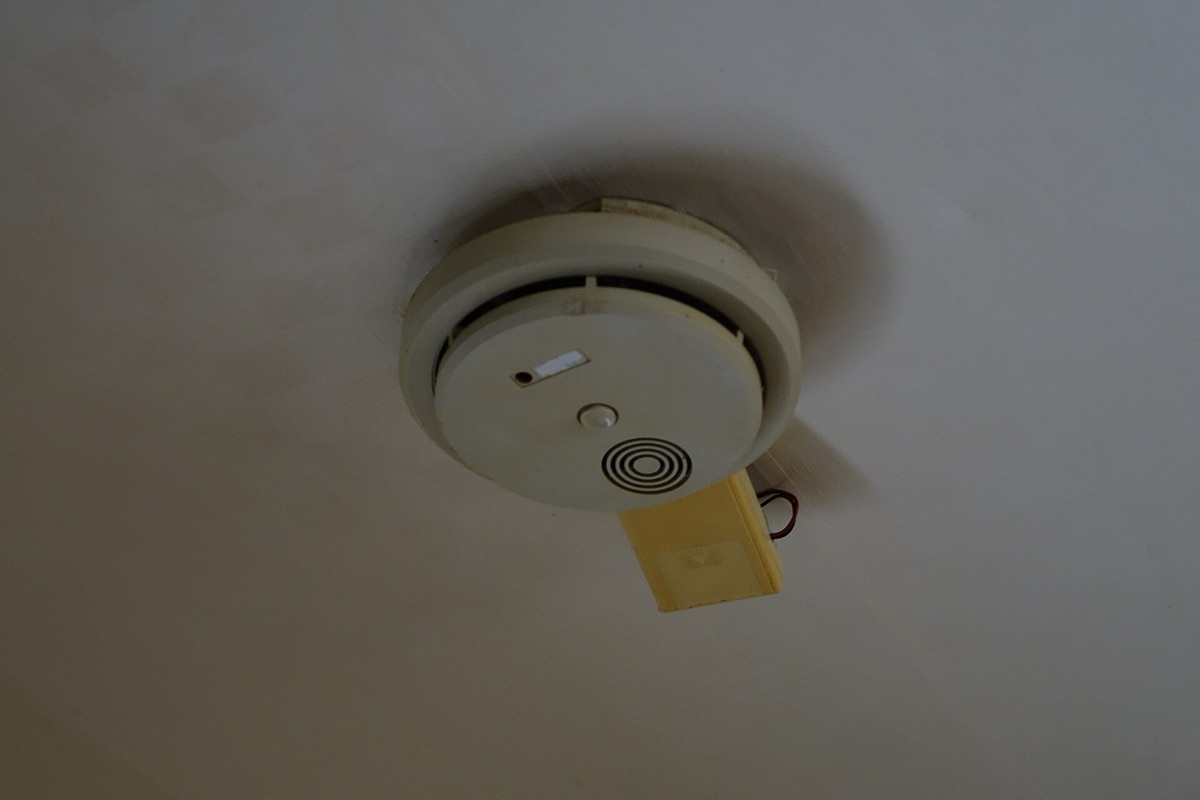
Electrical
Smoke Detector Chirping? Why a New Battery Didn't Fix It
A chirp that survives a fresh battery usually means a charged capacitor or a detector past its ten-year expiry. Both have quick, specific fixes.
Time10–20 min Cost$0–$40 easy
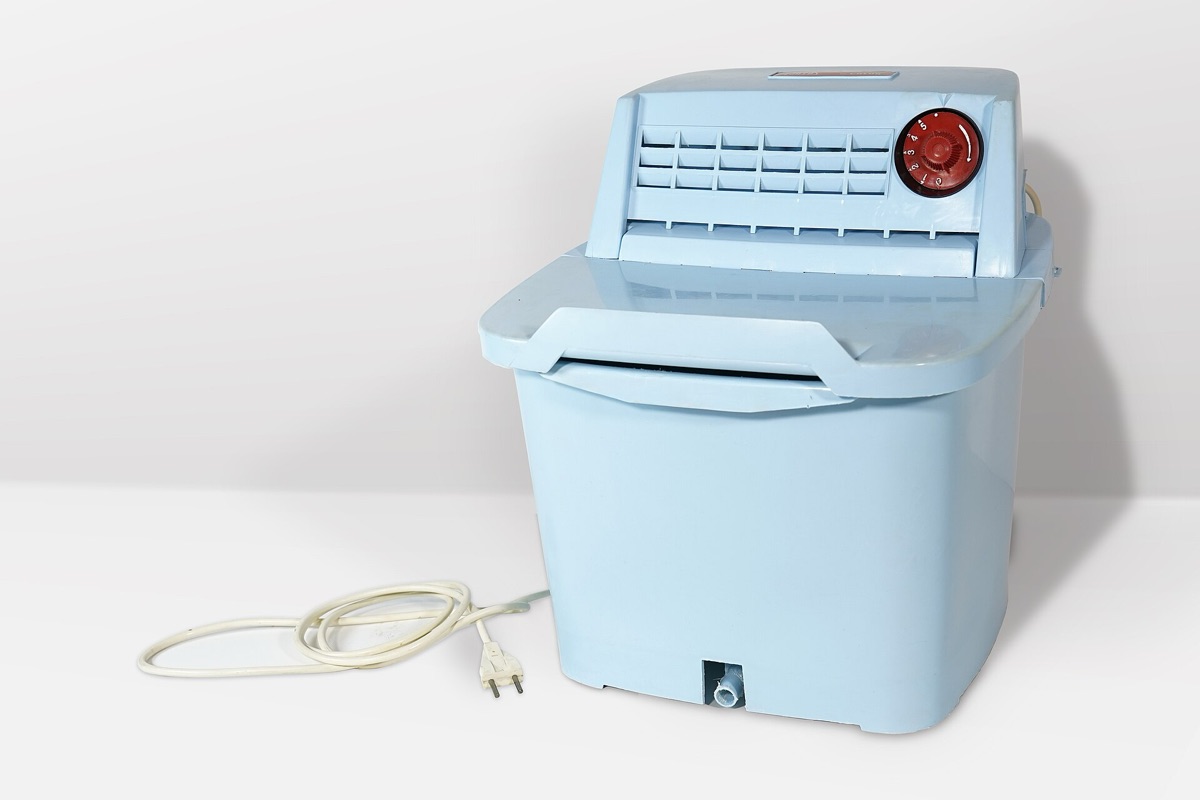
Laundry & Cleaning
Washer Won't Drain? Check the Filter, Hose, Then Pump
A washer full of standing water is usually a coin trap packed with lint or a kinked drain hose. Both are free fixes you can do in half an hour.
Time30–60 min Cost$0–$40 moderate
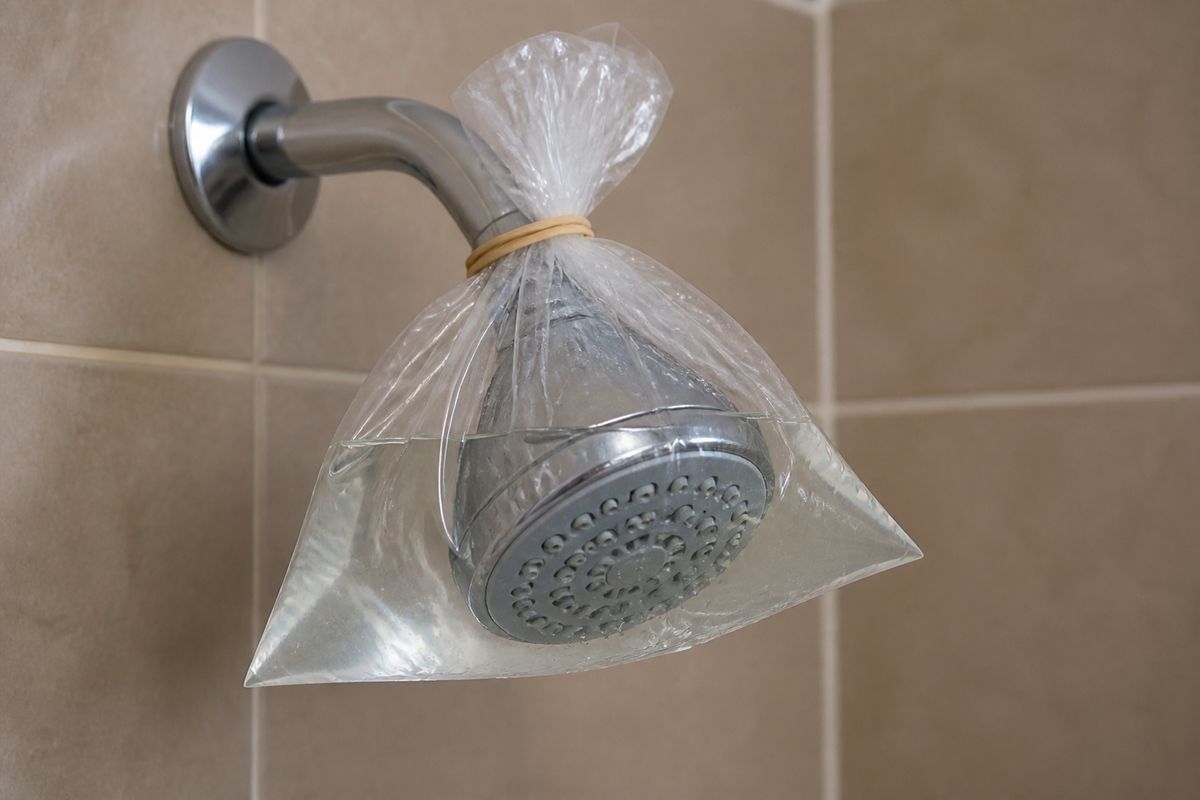
Bathroom
How to Clean a Shower Head With Vinegar
Clean a clogged shower head with vinegar in 90 minutes. Bag soak it, scrub nozzles, rinse the inlet screen, and restore spray without replacing parts.
Time10 min active + 1–2 hr soak Cost$2–$5 easy
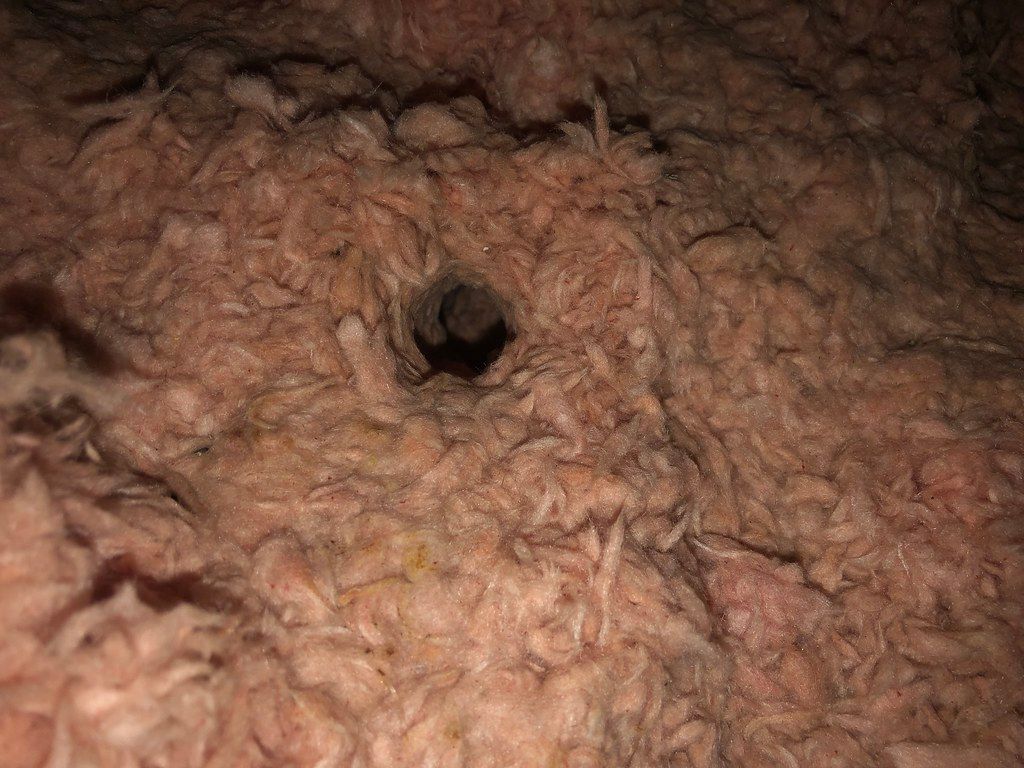
Heating & Cooling
Why Is Upstairs So Hot? Fix the Heat Traps First
An upstairs room gets hot from roof heat, sun, weak airflow, and attic leaks. Block heat, move air, and know when HVAC balancing is worth it.
Time20–60 min Cost$0–$60 easy
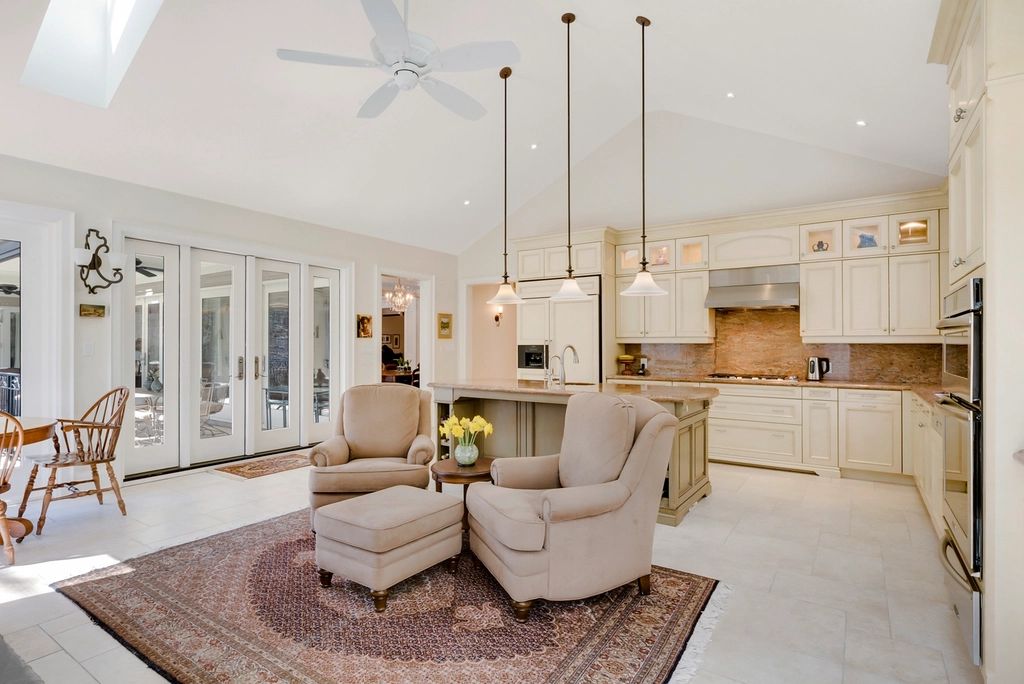
Heating & Cooling
How to Cool a Room With Fans When the AC Can't Keep Up
Use fans to push hot air out, pull cooler night air in, and make one room feel 4–6 degrees cooler while your AC catches up in a summer heat wave.
Time10–20 min Cost$0–$60 easy
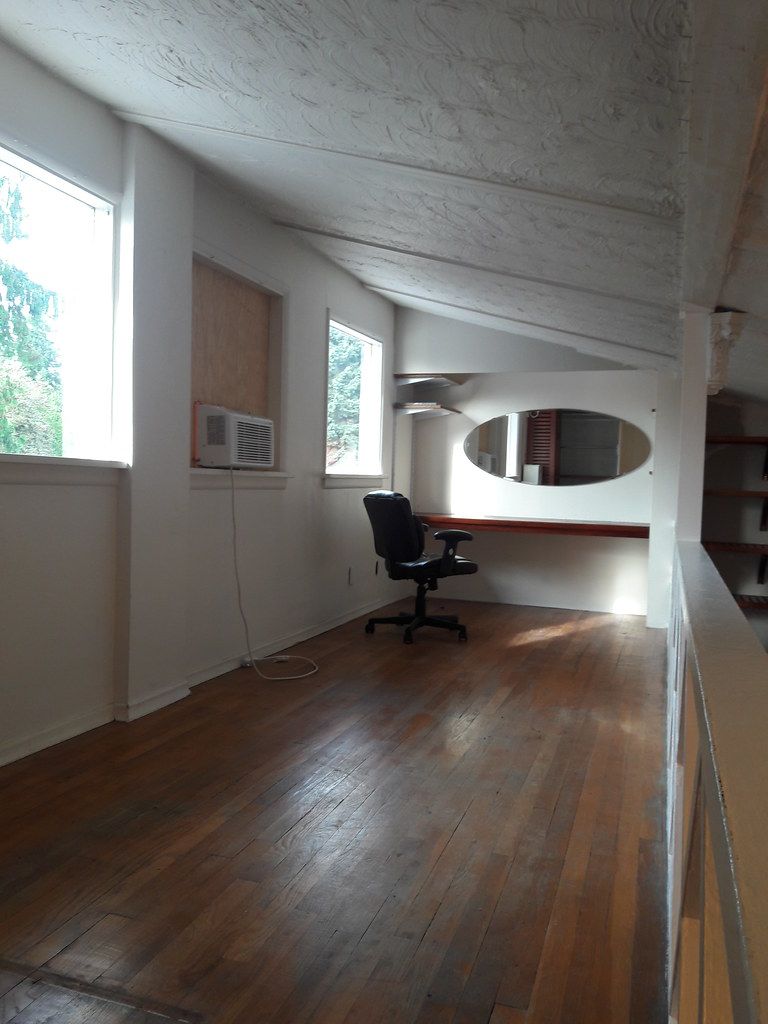
Heating & Cooling
Window AC Not Cooling? 5 Checks Before Replacing It
If a window AC is not cooling, clean the filter, clear the intake, check for ice, and inspect the tilt before replacing it or calling a tech.
Time20–45 min Cost$0–$15 easy
Bathroom
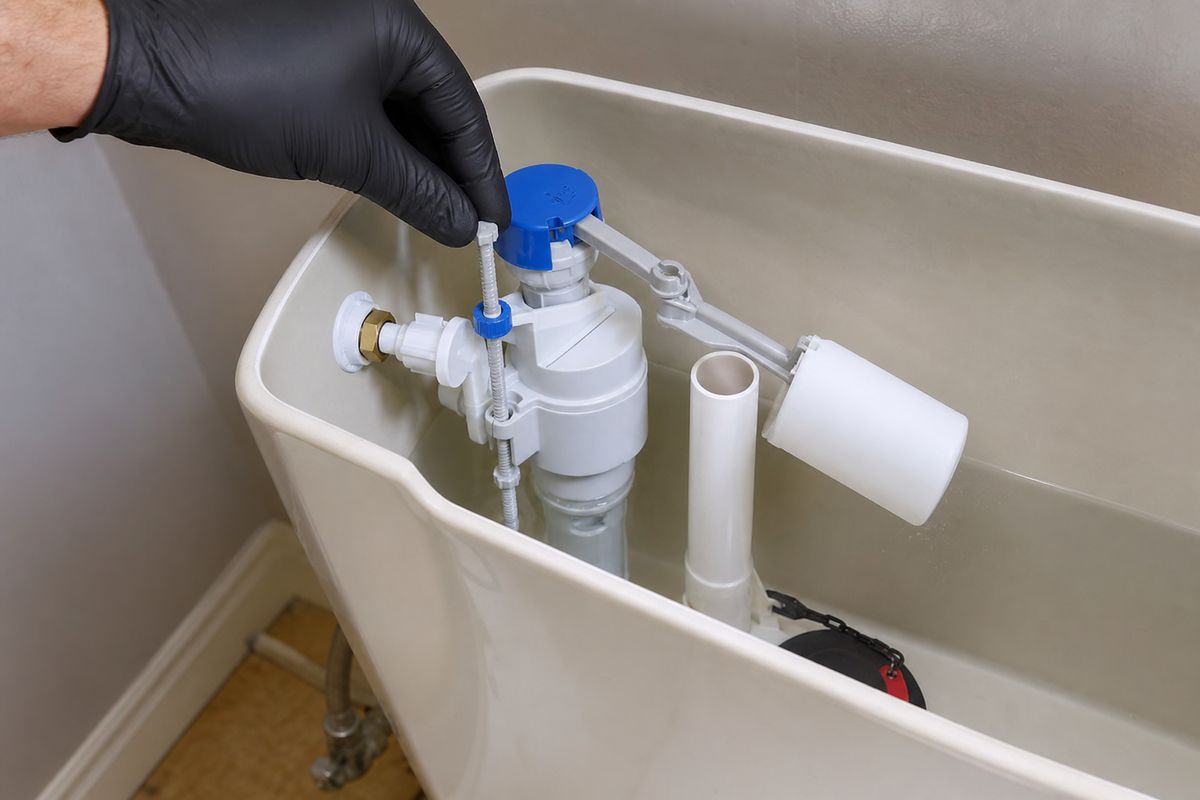
How to Replace a Toilet Fill Valve in 30 Minutes
A bad toilet fill valve hisses, refills slowly, or will not hold the water level. Shut off the supply, swap the valve, set the height, and test it.
Time30 min Cost$12–$20 moderate
Heating & Cooling
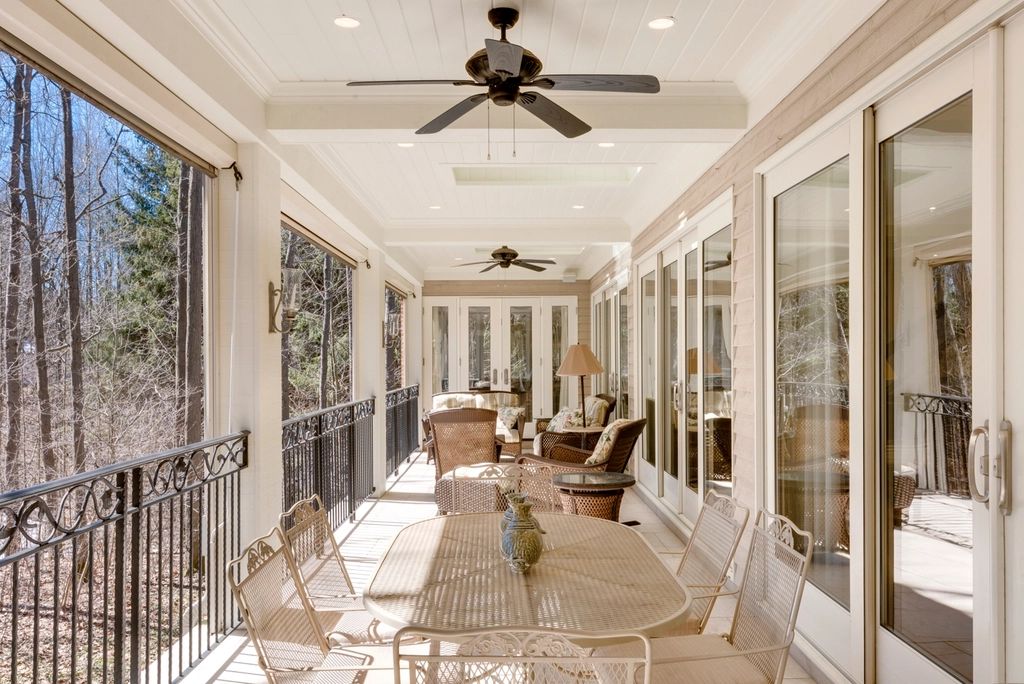
Ceiling Fan Direction in Summer: Set It in 2 Minutes
Set ceiling fan direction in summer to counterclockwise, confirm the downdraft, and run it only when people are in the room to feel cooler fast.
Time2–5 min Cost$0 easy
Bathroom
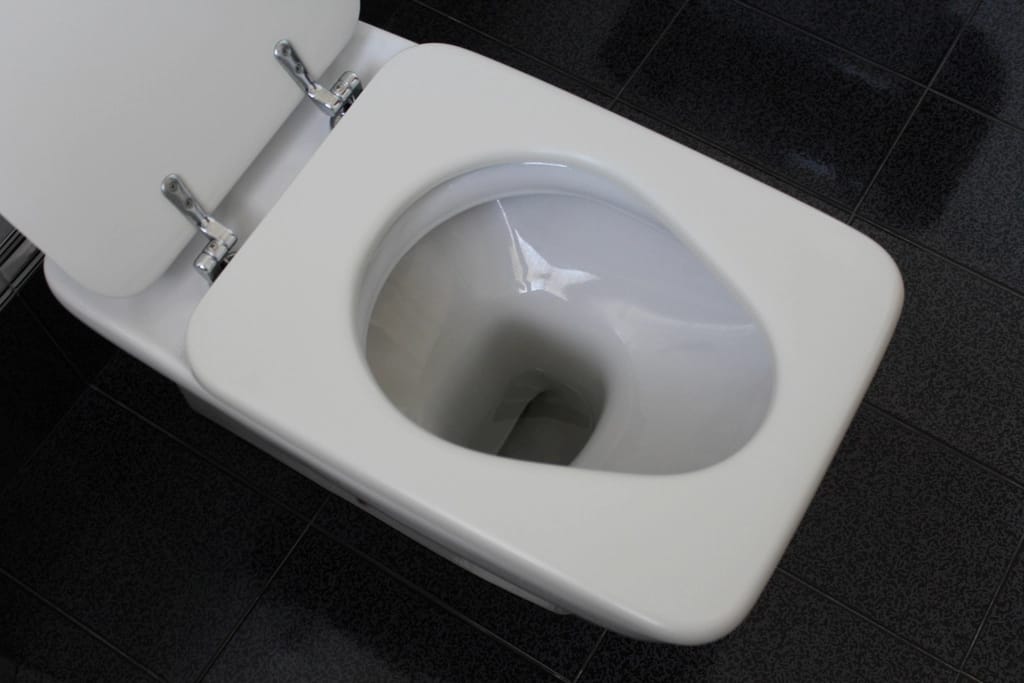
How to Unclog a Toilet Fast, With or Without a Plunger
Most clogged toilets clear with a flange plunger in five minutes. No plunger? Dish soap and hot water can do it while you wait in another room.
Time5–30 min Cost$0–$25 easy
Bathroom
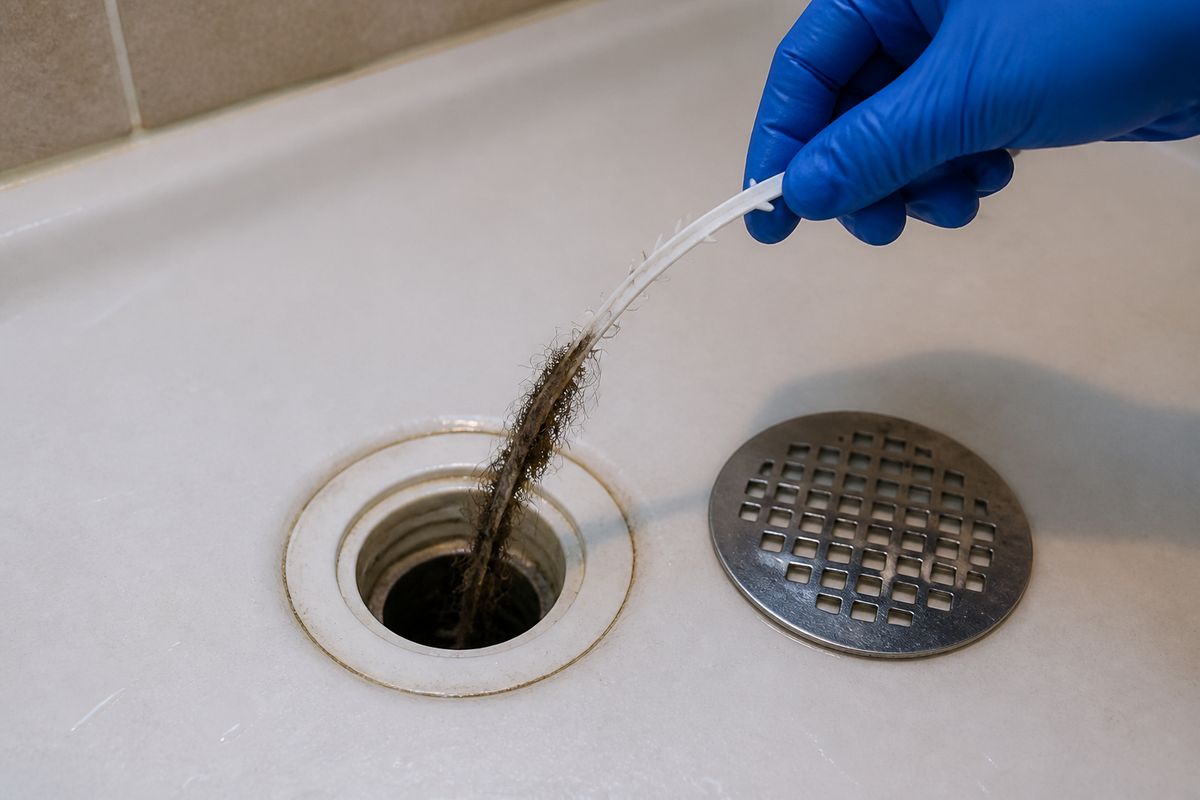
How to Unclog a Shower Drain Without Chemicals
A slow shower drain is usually hair under the cover or in the first bend. Pull the grate, use a zip tool, flush hot water, and know when to stop.
Time15–30 min Cost$3–$15 easy
Heating & Cooling
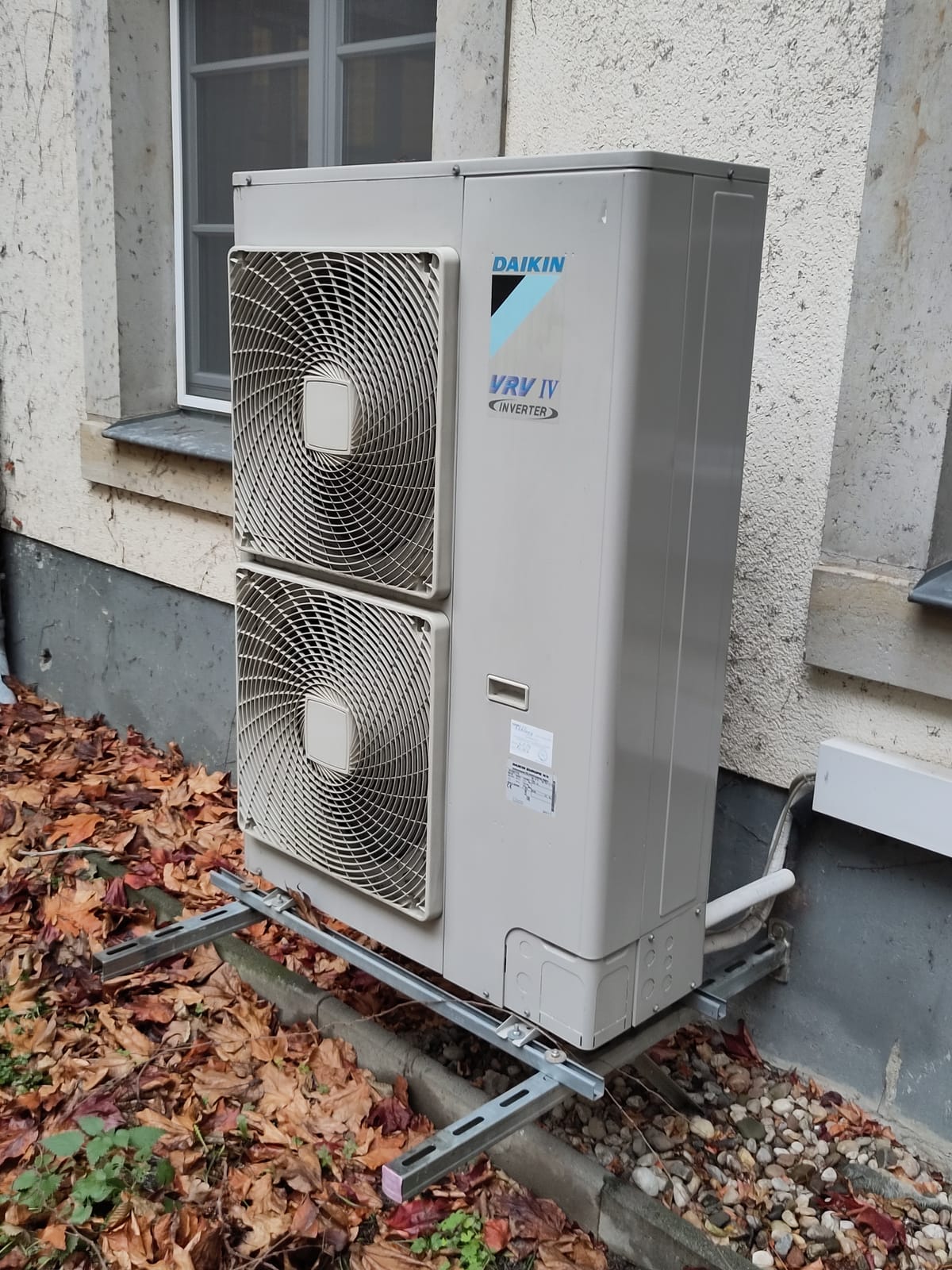
AC Running but Not Cooling? Check These First
If your AC runs but blows warm air on a hot day, check the thermostat, filter, breaker, ice, and outdoor condenser before calling HVAC service.
Time30–60 min Cost$0–$25 moderate
Pests
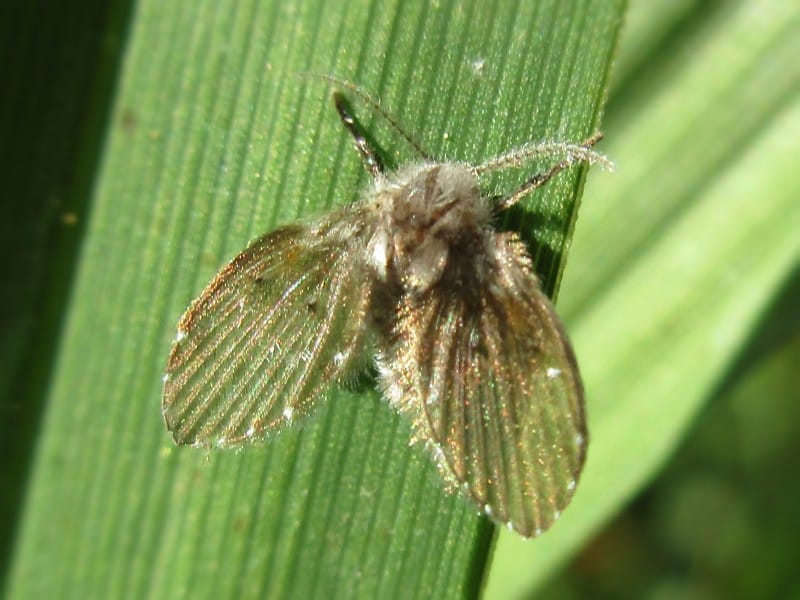
Drain Flies Keep Coming Back? Kill the Biofilm
Drain flies breed in the biofilm coating a slow drain, not the water. Scrub the pipe, treat it, and repeat for about a week to actually break the cycle.
Time30 min + a week Cost$5–$20 easy
Pests
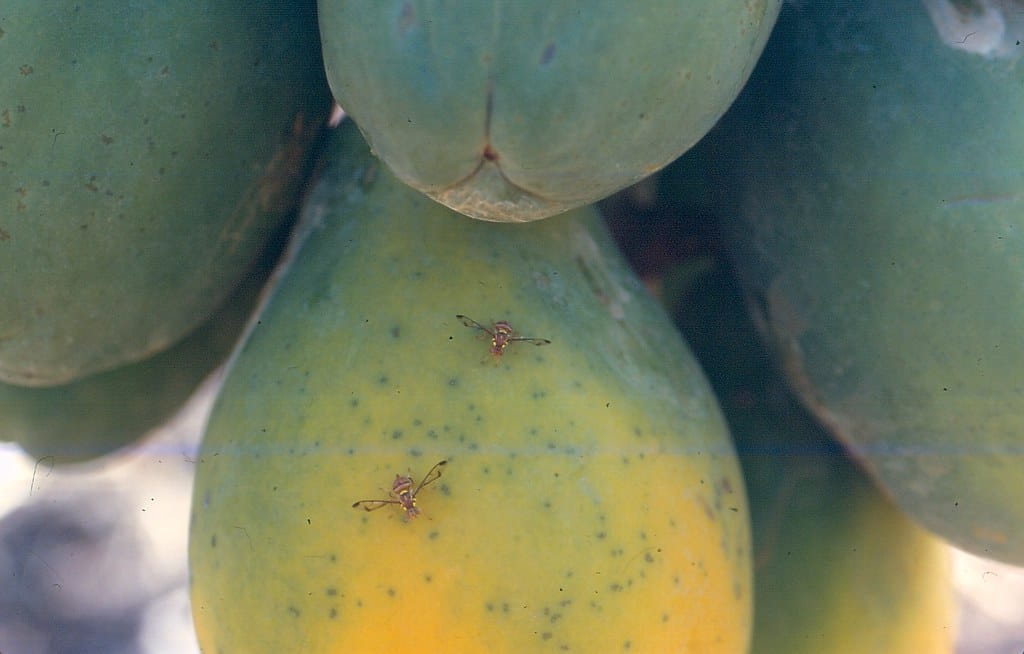
How to Get Rid of Fruit Flies Overnight
Fruit flies breed in fermenting sugar, not just ripe fruit. Find the real source, set a vinegar trap tonight, and most kitchens are clear by morning.
Time15 min + overnight Cost$0–$10 easy
Electrical
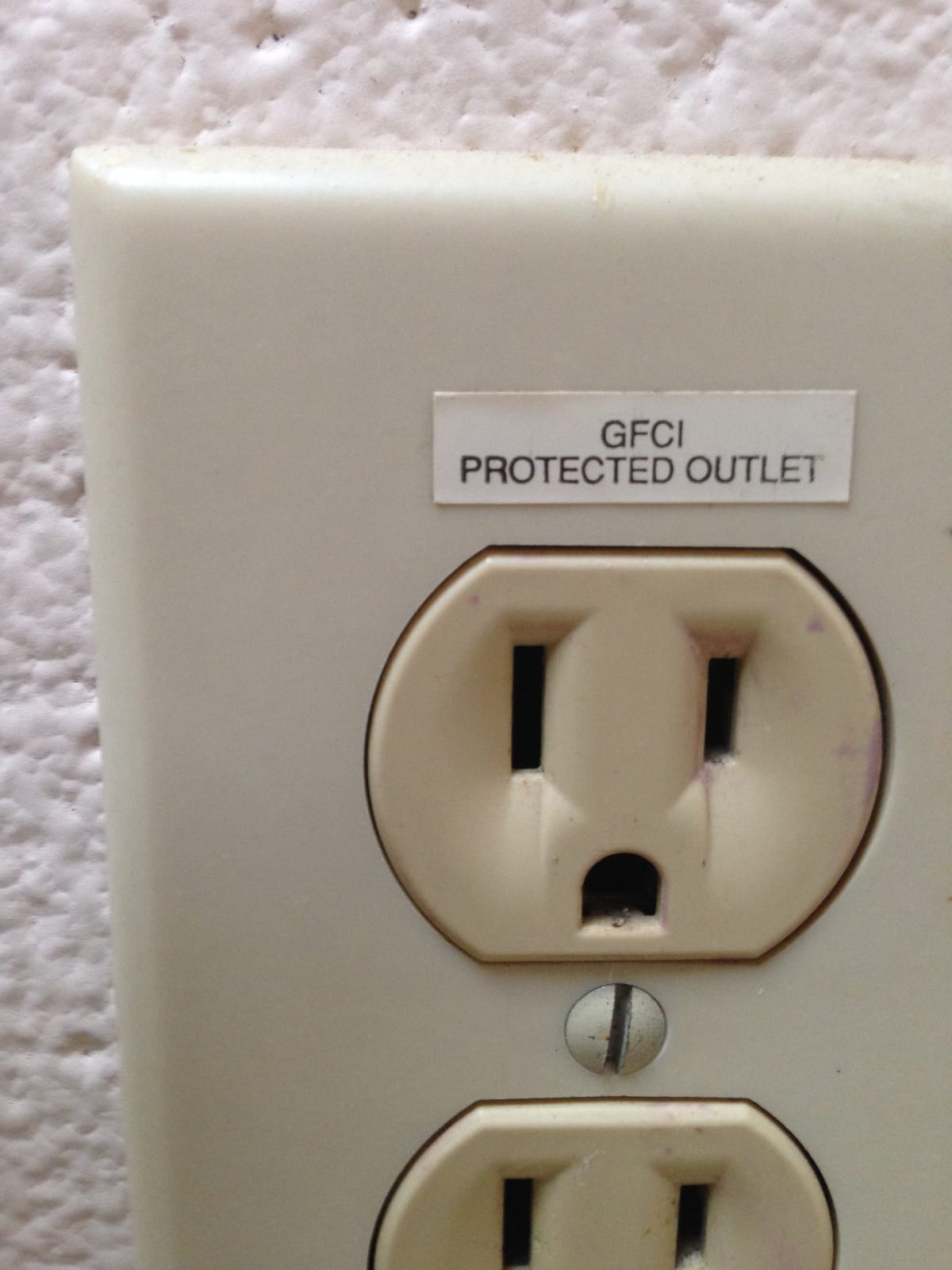
GFCI Won't Reset? What It's Telling You
A GFCI that won't reset is usually protecting you from a real fault. Unplug the circuit, press Reset firmly, and learn when the outlet has worn out.
Time10–20 min Cost$0–$20 easy
Electrical
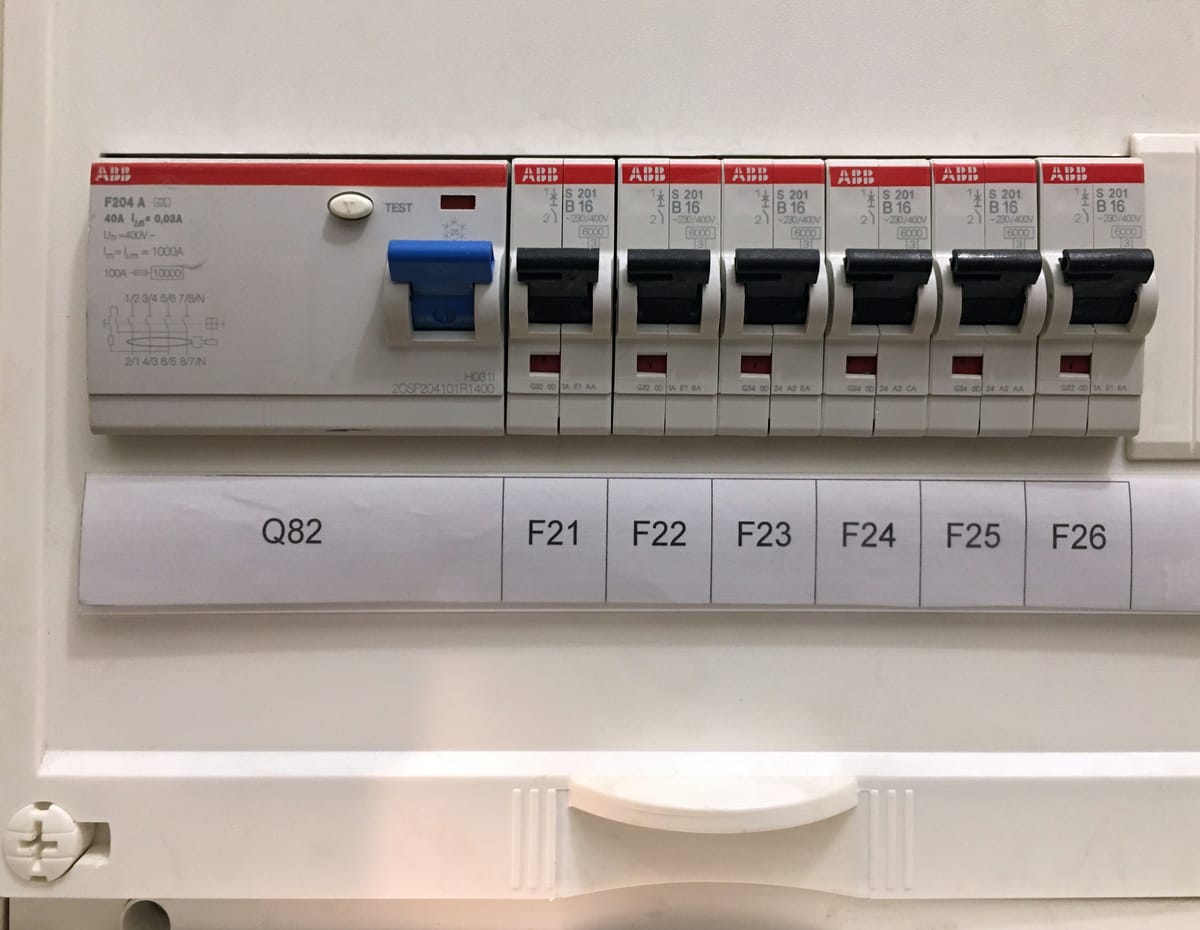
How to Reset a Tripped Breaker the Right Way
A tripped breaker often looks like it's still on. Push it fully to off first, then back on, and learn the difference between a nuisance trip and overload.
Time5–10 min Cost$0–$15 easy
Kitchen
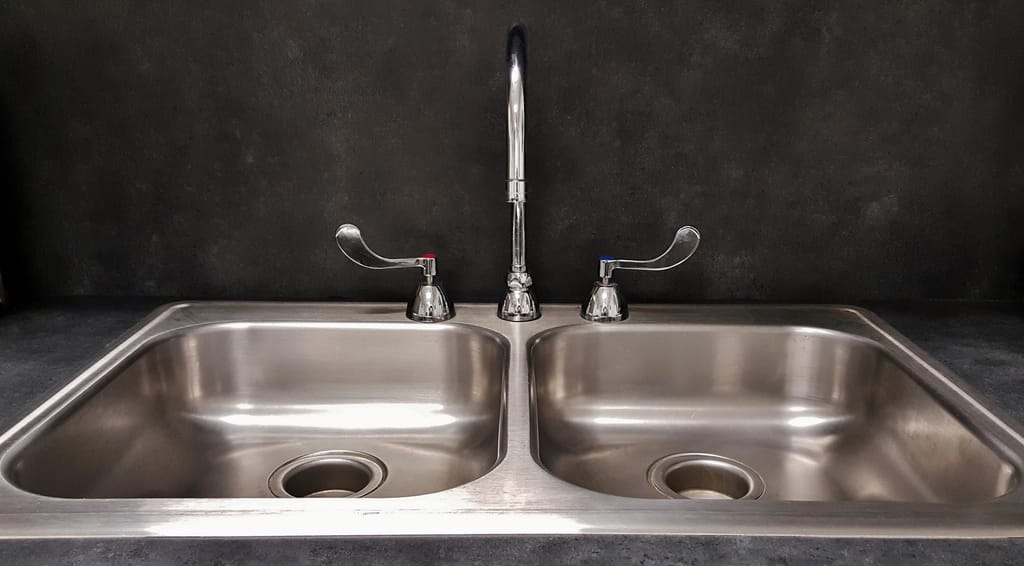
Garbage Disposal Smells? Clean It in 10 Minutes (3 Steps)
A stinky disposal is rotting film on the splash guard and chamber walls, not a broken unit. Scrub, flush, and deodorize it with $2 of pantry staples.
Time10–15 min Cost$0–$5 easy
Laundry & Cleaning
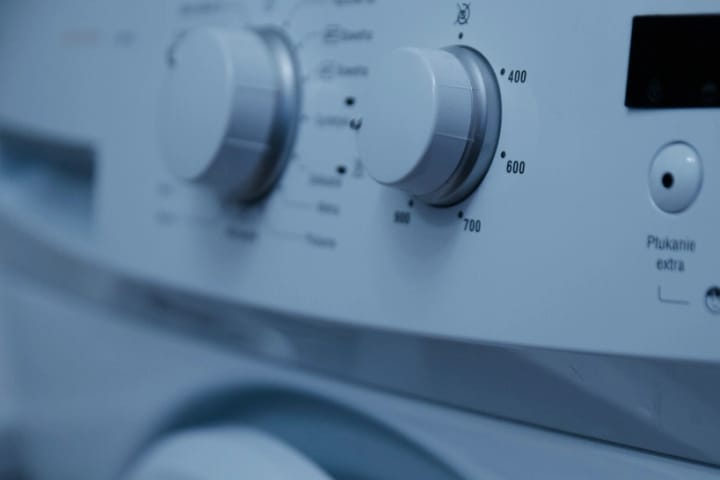
How to Clean a Front Load Washer Gasket That Smells
A smelly washer gasket is mold and detergent film in the rubber fold. Wipe it out, clear the drain holes, and stop that musty smell for under $5.
Time15–20 min Cost$0–$5 easy
Laundry & Cleaning
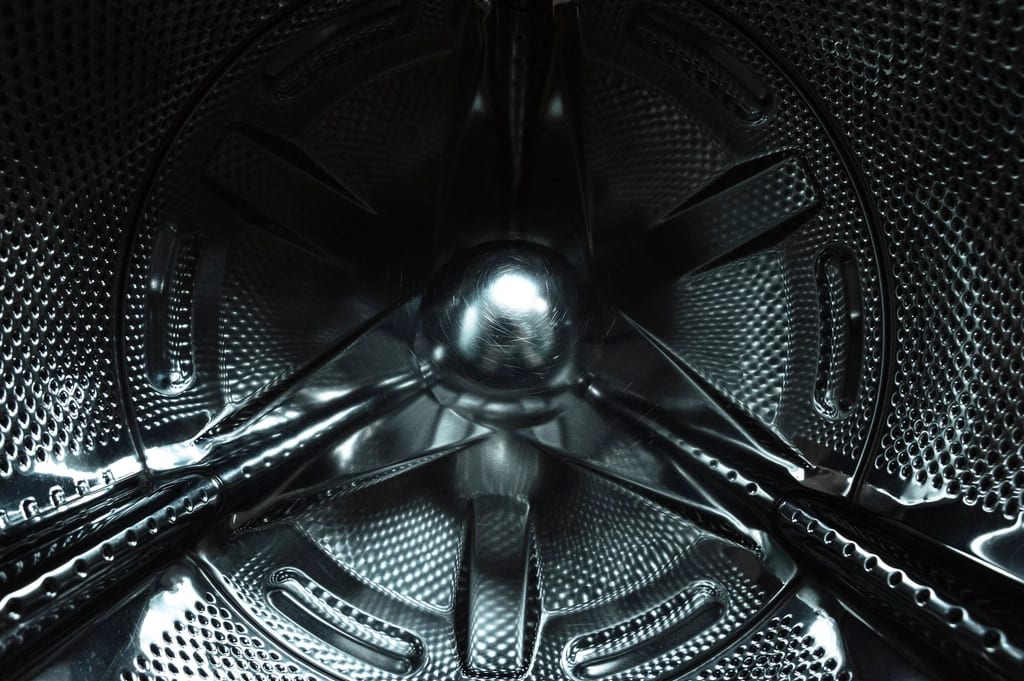
Washing Machine Smells? Clean These 3 Spots (Gasket, Drum, Filter)
A musty front-loader means mold in the door gasket and a clogged drain filter. Clean all three problem spots in 30 minutes and keep the smell away.
Time30 min + one wash cycle Cost$0–$10 easy
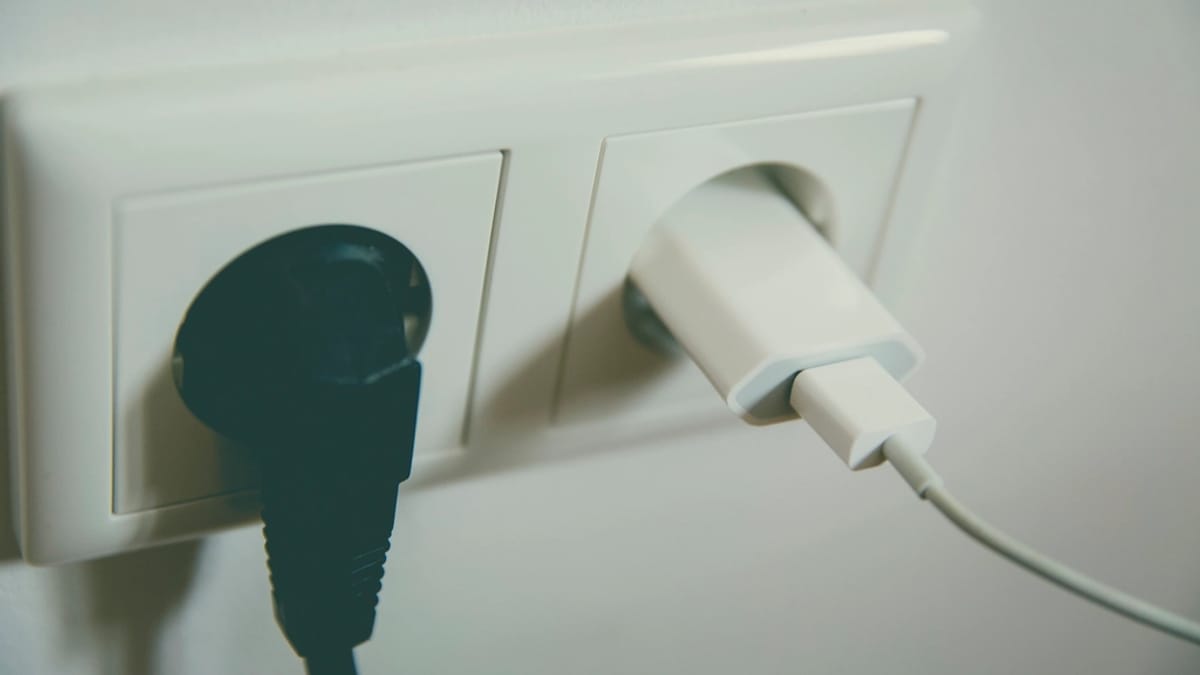
Electrical
How to Fix a Dead Outlet Before Calling an Electrician
A dead outlet is often a tripped GFCI, breaker, or switched receptacle. Check the safe resets first, then know when wiring needs a pro visit.
Time5–15 min Cost$0–$12 easy
Outdoors & Seasonal
Fix a Drafty Door in an Hour (Weatherstripping That Lasts)
That draft under the front door costs real heating and AC money. Find the gaps with a flashlight, then seal them with $15 of weatherstripping and a sweep.
Time45–60 min Cost$10–$25 easy
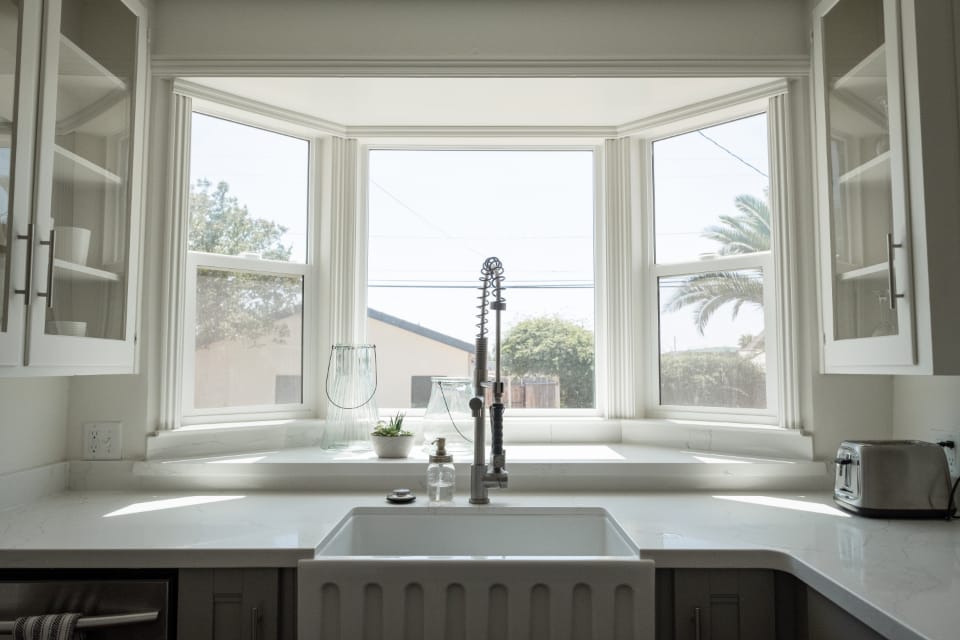
Kitchen
How to Fix a Leaky Faucet (Find the Right Part First)
A dripping faucet is a worn cartridge, washer, or seal. How to identify your faucet type, buy the right $5–$20 part, and swap it in under an hour.
Time30–60 min Cost$5–$20 moderate
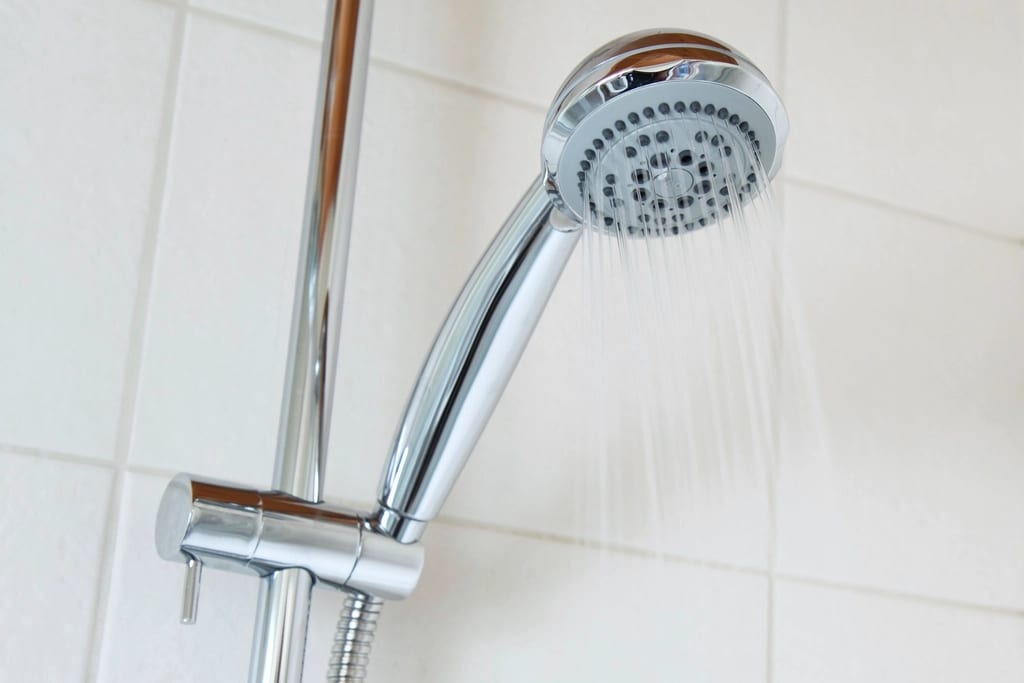
Bathroom
Low Shower Water Pressure? Fix It in One Evening
Weak shower pressure is usually a mineral-clogged head, not your pipes. Soak it in vinegar, check the inlet screen, and know when it's something bigger.
Time20 min active + 1–2 hr soak Cost$2–$25 moderate
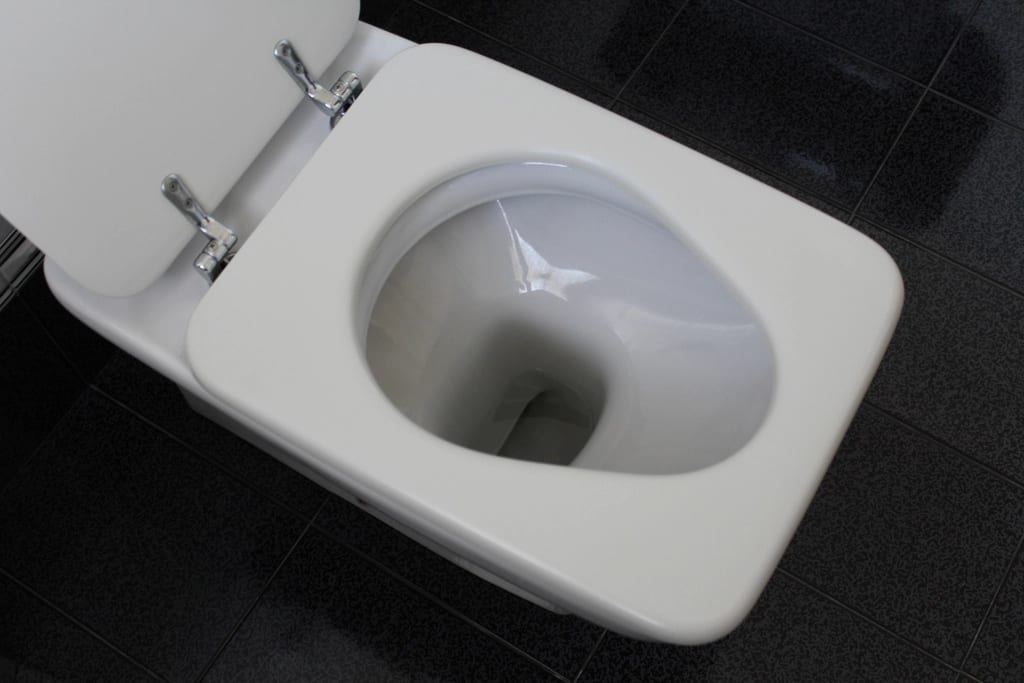
Bathroom
How to Fix a Running Toilet in 15 Minutes (No Plumber)
A running toilet is usually a worn flapper or misadjusted float. Diagnose it with a dye test and fix it yourself in 15 minutes for under $12.
Time15–30 min Cost$5–$18 easy
Walls, Doors & Floors
Fix a Squeaky Door Hinge for Good (WD-40 Isn't Enough)
WD-40 quiets a hinge for a week. Pulling the pin and coating it with silicone or lithium grease fixes it for years. Here is the 5-minute method.
Time5 min per door Cost$6–$8 easy
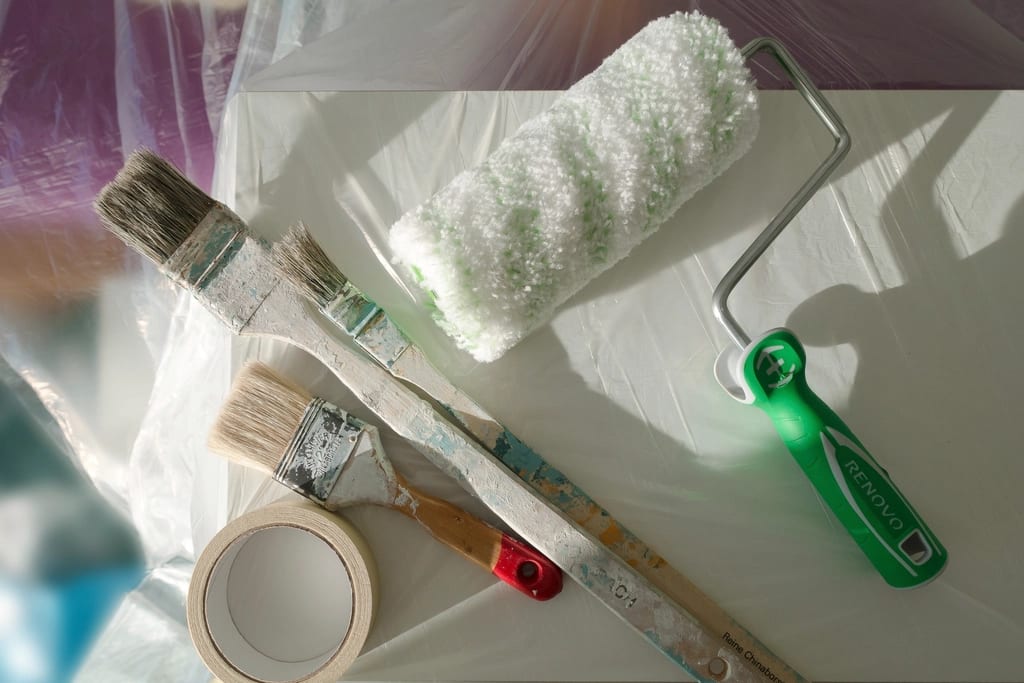
Walls, Doors & Floors
Patch Nail Holes in Drywall Before Move-Out (10 Minutes, $8)
Spackle, a putty knife, and fine sandpaper make nail holes disappear. The exact steps, drying times, and how to handle paint that doesn't match.
Time10 min per room + drying Cost$8–$12 easy

Bathroom
Remove Hard Water Stains from Shower Glass (What Actually Works)
Hard water stains come off shower glass with warm vinegar and dish soap, if the glass isn't etched. How to tell the difference and what works for each.
Time30 min Cost$4–$15 easy
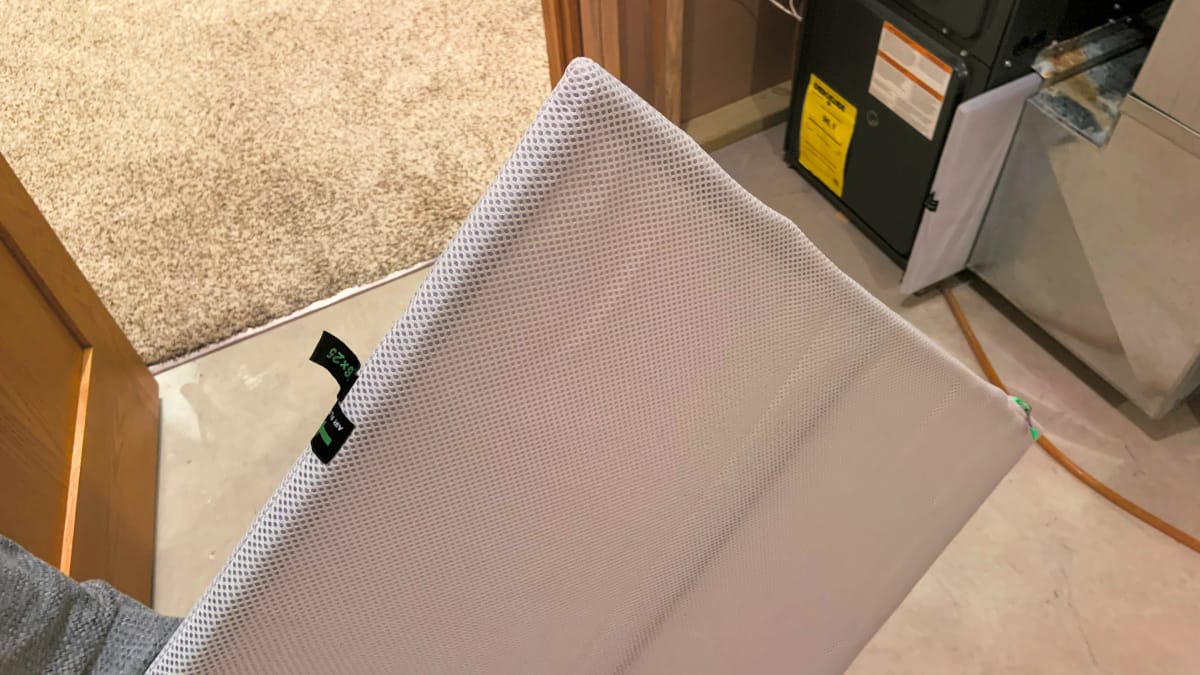
Heating & Cooling
How to Replace an HVAC Filter the Right Way
A dirty HVAC filter cuts airflow and raises bills. Find the size, point the arrow toward the unit, and replace it in under 10 minutes today.
Time5–10 min Cost$8–$25 easy
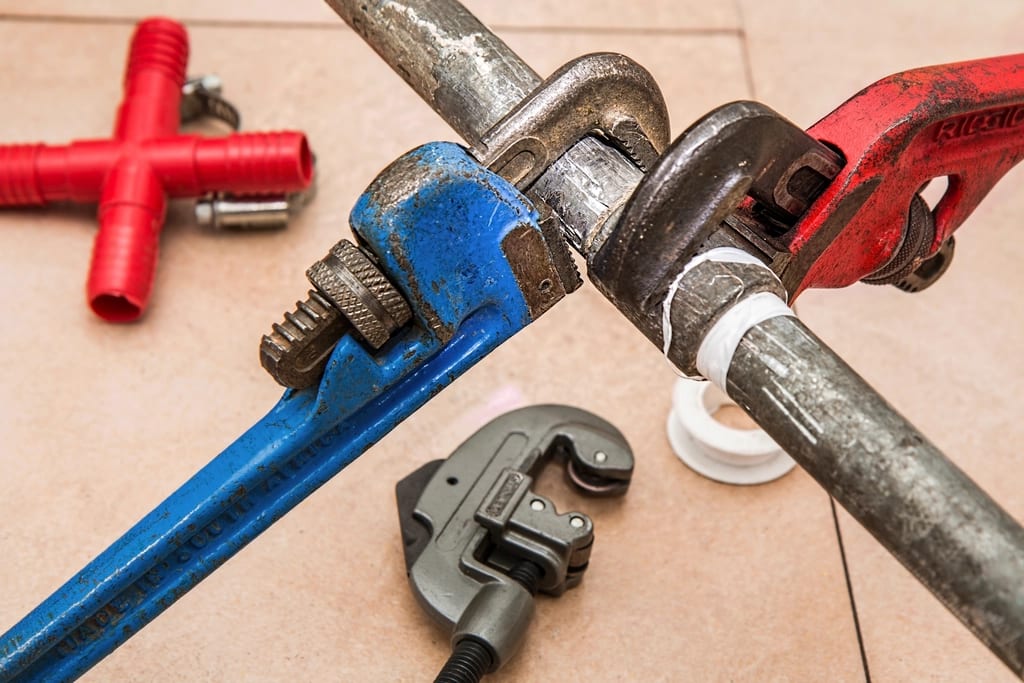
Bathroom
Toilet Flapper Replacement: Get the Right Size the First Time
Most toilets take a 2-inch flapper, while newer high-efficiency models need 3-inch. Tell which yours needs and install it in 10 minutes flat.
Time10 min Cost$5–$15 easy
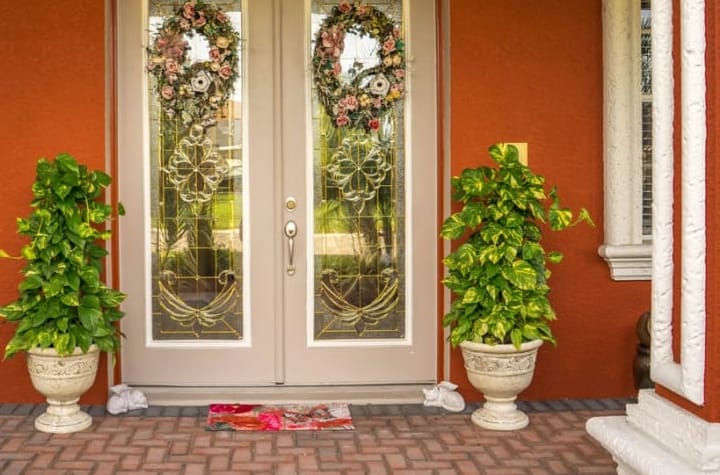
Outdoors & Seasonal
How to Replace a Worn Door Sweep Before Winter
If cold air comes in under the door, the sweep is probably torn or missing. Replace it in 20 minutes for $8–$15 and stop the floor-level draft.
Time20 min Cost$8–$15 easy
Pests
How to Stop Ants in the Kitchen
Kitchen ants follow food, water, and scent trails. Clean the trail, seal the entry point, and use bait so the colony carries it home for good.
Time20–30 min Cost$3–$12 easy
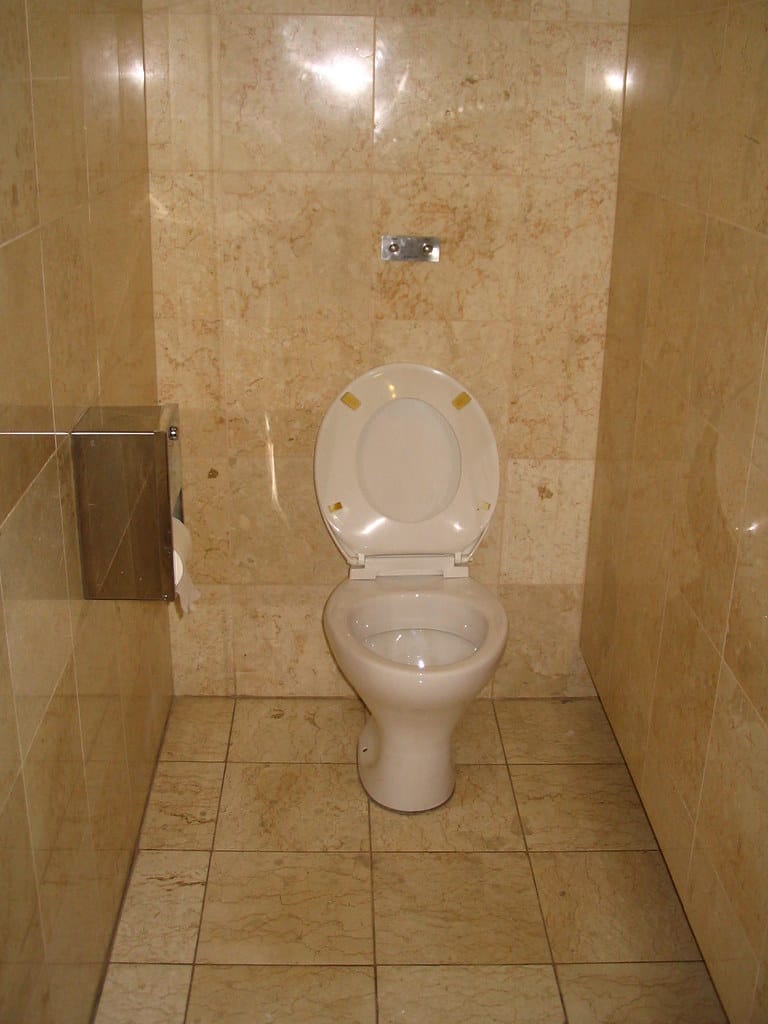
Bathroom
Why Your Toilet Refills Randomly, and How to Stop It
A toilet that refills on its own is leaking tank water into the bowl. Run a dye test, fix the flapper or water level, and stop the phantom flush.
Time10–20 min Cost$0–$15 easy
Bathroom
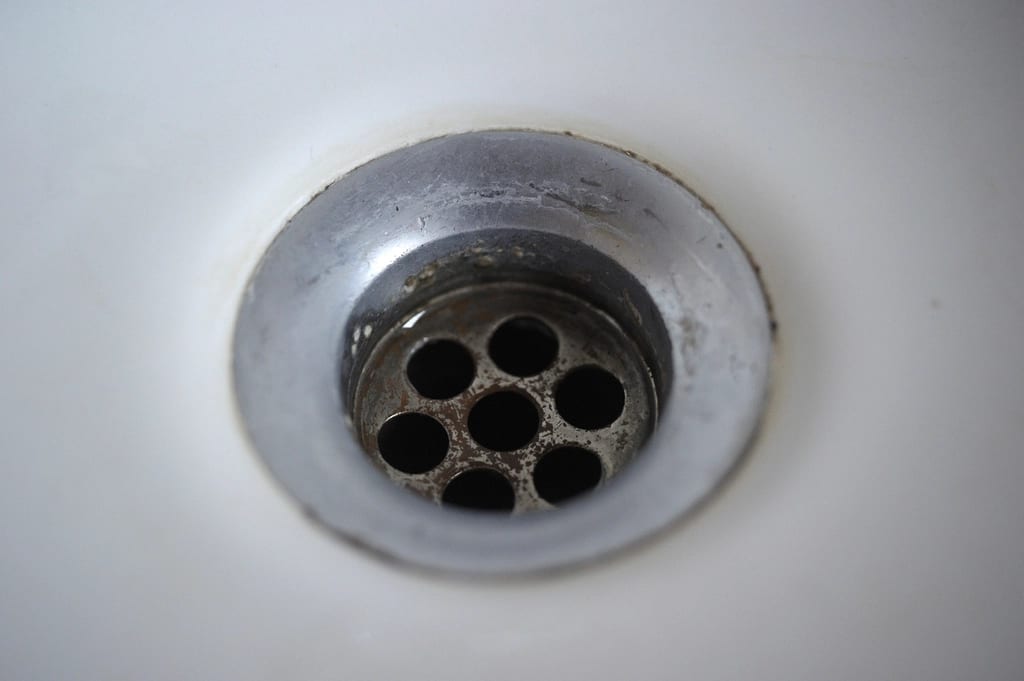
Unclog a Slow Bathroom Sink in 15 Minutes, No Chemicals
A slow bathroom sink is almost always hair caught at the pop-up stopper. Pull it, clear it with a $4 zip tool, and clean the P-trap if needed.
Time15–30 min Cost$3–$5 easy
Glossary terms
Open glossary →Basket strainer
The drain fitting in a kitchen sink that has no disposal. The flange is a metal ring seated in the sink opening on a bed of plumber's putty and clamped from below with a locknut, and the basket is the removable perforated cup with a stopper knob that drops into it. The basket catches food so the P-trap doesn't, and the flange seal is one of the three joints that can drip under a sink once the putty dries out or the locknut loosens.
GlossaryBiofilm
The slimy layer of bacteria, soap residue, and organic matter that coats damp, rarely-disturbed surfaces: the inside of drains, washing machine gaskets, and detergent drawers. It regrows quickly after chemical treatments, which is why physically removing it beats trying to dissolve it.
GlossaryCanister valve
A flush valve design (common on Kohler toilets) where a tall plastic cylinder lifts straight up instead of a hinged flapper tipping open. Canister toilets take a replacement seal ring, not a flapper. No flapper will fit one.
GlossaryDefrost drain
The small drain opening at the lowest point of a frost-free refrigerator or freezer compartment. Several times a day the appliance heats its cooling coils to melt frost, and the meltwater runs through this hole down a tube to an open pan near the compressor, where it evaporates. The hole is small, cold, and sits directly below the food, so it plugs easily with ice or crumbs, and a plugged drain shows up as water pooling under the crisper drawers.
GlossaryDoor gasket
The folded rubber seal around a front-load washing machine door. Its inner fold holds water and lint by design, which makes it the number-one spot mold grows in a smelly washer. Pull the fold back and the gray-black line is the culprit.
GlossaryDoor sweep
The strip of rubber or bristle attached along the bottom inside face of an exterior door to close the gap above the threshold. Screw-on aluminum sweeps with slotted height adjustment outlast stick-on ones, and the blade should just touch the threshold. A dragging sweep tears itself off within a month.
GlossaryDrain filter
The lint trap behind the small panel at the bottom front corner of a front-load washer. It catches coins, hair ties, and lint before the drain pump, holds a cup or two of stale water, and is the most commonly missed step when cleaning a smelly machine.
GlossaryDrain snake
A flexible cable or barbed strip fed down a drain to hook and pull out clogs beyond finger reach. For bathroom sinks, a $3–$5 plastic zip strip handles the hair mat at the stopper; a 25-foot hand-crank cable auger ($25–$40) reaches clogs deeper in the branch line before it's time to call a plumber.
GlossaryDye test
The 15-minute diagnostic for a leaking toilet flapper: drop food coloring or a dye tablet into the tank water, wait without flushing, and check the bowl. Color reaching the bowl means water is sneaking past the flapper. The seal is done.
GlossaryEtched glass
Glass whose surface has been permanently altered by long-term mineral deposits or harsh cleaners. Etching looks like haze that no cleaner removes, because the damage is in the glass, not on it. Polishing compounds can improve it; prevention (a squeegee habit) is the real fix.
GlossaryFaucet cartridge
The replaceable valve unit inside most modern faucets, a plastic-and-brass cylinder that controls flow and temperature as the handle moves. When a faucet drips, the cartridge's internal seals are worn; swapping the cartridge ($10–$20, brand-specific) is the standard fix, and the faucet body itself almost never needs replacing.
GlossaryFeathering
Blending the edge of paint or filler into the surrounding surface with an almost-dry brush or light sanding, so there is no hard line where the repair ends. Feathering is what makes a touch-up invisible at conversation distance, which is the standard walls are actually judged by.
GlossaryFill valve
The vertical valve inside a toilet tank that refills it after a flush and shuts off when the float reaches the set water level. A fill valve that won't hold a consistent level has a failing internal seal; replacement valves cost $12–$18 and install hand-tight.
GlossaryFlame sensor
A thin metal rod with a ceramic base that sits in the path of a gas furnace's burner flame. The flame conducts a tiny current from the rod to ground, and the control board reads that current as proof the burners are lit. If no proof arrives within a few seconds of the gas valve opening, the board closes the valve to keep gas from pooling. A rod coated with oxide or dust can't pass enough current, which produces the classic symptom: the furnace lights, runs for three to five seconds, shuts down, and tries again.
GlossaryFlapper
The hinged rubber seal at the bottom of a toilet tank that lifts when you flush and seals the tank shut while it refills. Because it sits in treated water around the clock, it hardens and warps on a schedule, and a worn flapper is the single most common cause of a running toilet. Flappers come in 2-inch and 3-inch sizes, and the wrong size physically cannot seal.
GlossaryFlow restrictor
The small plastic disc inside a shower head that caps output at the federal 2.5-gallon-per-minute limit. It's often blamed for weak showers, but a shower that used to be strong and faded is almost always scaled-up nozzles, not the restrictor. The restrictor never changes, so it can't explain pressure that got worse over time.
GlossaryFrost-free spigot
An outdoor faucet (also called a frost-free sillcock or hose bib) with a long stem, so the valve seat sits 6 to 12 inches inside the heated wall while the handle and spout stay outside. The barrel between them slopes down to the spout, so when the valve closes the remaining water drains out and nothing is left to freeze. It fails for one reason: a hose, splitter, or timer left on the threads holds water in the barrel, which freezes and splits the pipe inside the wall.
GlossaryFungus gnat
A small, slender, dark fly about 1/8 inch long that breeds in damp potting soil, where its larvae feed on fungus and fine roots. Adults are weak fliers that hover near houseplants and rise when a pot is disturbed, which separates them from fruit flies (tan, red-eyed, quick, near fruit) and drain flies (fuzzy, moth-shaped, near drains). One generation takes about three weeks, and a single overwatered pot can hold hundreds of larvae.
GlossaryGFCI outlet
A ground-fault circuit interrupter: an outlet that compares the current flowing out with the current coming back, and trips in a fraction of a second if any is leaking to ground. Code requires them near water: bathrooms, kitchens, garages, laundry rooms, and outdoors. One GFCI can protect a chain of ordinary-looking outlets downstream, which is why a dead bedroom outlet is sometimes fixed by a Reset button in the garage.
GlossaryHard water
Water carrying dissolved calcium and magnesium minerals, common across large parts of the U.S. When droplets evaporate, the minerals stay behind as white carbonate scale: the film on shower glass, the crust that clogs shower head nozzles, and the deposit on toilet fill hardware. Acids like vinegar dissolve it; detergents mostly do not.
GlossaryHinge pin
The metal rod that drops down through the interlocking knuckles of a door hinge and acts as the axle the door swings on. Tap it up from below to remove it. Squeaks live between the pin and the knuckle bore, so lubricant has to reach the pin itself.
GlossaryJoint compound
The gypsum paste ("mud") used to tape drywall seams and skim large patches. It goes on in thin coats, shrinks as it dries, and expects two or three passes a day apart, which makes it the right tool for big repairs and the slow, wrong tool for nail holes, where spackle wins.
GlossaryMERV rating
Minimum Efficiency Reporting Value: the standard 1–20 scale for how effectively an HVAC filter traps particles. MERV 8 catches dust and pollen; MERV 11–13 adds smoke, smog, and most allergens. The catch is resistance: the finer the filter, the harder the blower has to pull air through it, and a residential system forced through a filter it was not designed for runs longer, wears faster, and can even freeze the coil.
GlossaryO-ring
A ring of rubber seated in a groove that seals two parts against water or air when they compress it. It is the workhorse seal inside faucet cartridges, spray heads, and garden-hose fittings. O-rings fail by hardening and cracking with age, and a failed one shows up as weeping around a joint rather than a steady drip.
GlossaryOverflow tube
The open vertical tube in the middle of a toilet tank that drains excess water into the bowl if the fill valve overfills. It's the tank's failsafe: if water is trickling into its open top, the water level is set too high or the fill valve is failing.
GlossaryP-trap
The U-shaped pipe under a sink that holds a small plug of water to block sewer gas from rising into the room. It unscrews by hand at two slip nuts, which makes it the easy access point for clogs that sit below the drain opening.
GlossaryPivot rod
The thin metal rod that enters the back of a bathroom sink drain at an angle and connects the lift knob to the pop-up stopper. Unscrew its retaining nut and pull the rod out, and the stopper lifts free. That is the first step of clearing most sink clogs.
GlossaryPop-up stopper
The metal plug in a bathroom sink that opens and closes with the lift knob behind the faucet. Its base is where hair and soap scum anchor. The mat wrapped around it is the cause of most slow bathroom sinks.
GlossaryPressure regulator
The bell-shaped valve near a home's main water shutoff that reduces street water pressure to a safe household level, typically 40–60 psi. A failing regulator shows up as suddenly weak (or suddenly harsh) pressure at every fixture in the house at once.
GlossaryPTFE tape
Thin white thread-sealing tape (often called Teflon or plumber's tape) wrapped around threaded plumbing connections so they seal without leaking. Wrap two to three turns in the direction the nut tightens, and always strip old tape off before applying fresh.
GlossaryShutoff valve
The small valve on the supply line under a sink, behind a toilet, or beside an appliance that cuts water to that one fixture, so a repair does not mean shutting down the whole house. Turn it clockwise until it stops, then open the fixture to drain the last of the pressure before any plumbing work.
GlossarySpackle
Lightweight filler paste for small wall repairs. It presses into nail holes, dries in 30–60 minutes, barely shrinks, and sands smooth with a light touch. For holes under half an inch it needs no tape or backing. Some formulas go on pink and dry white as a built-in timer.
GlossaryStick-slip
The physics behind a squeak: two dry metal surfaces alternately gripping and releasing hundreds of times per second, fast enough to become an audible tone. A film of grease with body (lithium or silicone) keeps the surfaces apart, which is why it silences a hinge and thin penetrating oils only pause it.
GlossaryStrike plate
The flat metal plate screwed into the door jamb, with a rectangular opening that the spring latch bolt drops into when the door closes. Its square inner edge is what holds the door shut, and its curved lip is what lets the beveled bolt ride in without turning the knob. Because the door hangs on hinges that loosen and a frame that settles, the plate and the bolt slowly drift out of line, which is why a door that once clicked shut starts drifting open.
GlossaryThermal fuse
A small one-time safety device with two wire terminals, mounted on a dryer's blower housing or heater box. It holds a contact closed until the air passing it exceeds its rated temperature, then opens for good. On most dryers an open fuse means no heat while the drum still turns, and on some models it stops the motor too. It can't be reset. A blown fuse means the dryer overheated, and the cause is nearly always a lint-blocked vent.
GlossaryWeatherstripping
Compressible sealing material (foam tape, silicone bulb, or metal-backed V-strip) installed around a door or window frame so the closed door squeezes it and blocks airflow. Foam is cheapest and fades in a season or two of heavy use; silicone and V-strip cost a few dollars more and last years on an exterior door.
GlossaryWhite lithium grease
A thick, white, long-lasting grease made for metal-on-metal contact: door hinges, garage-door tracks, latch bolts. Unlike penetrating oils such as WD-40, which are solvents that evaporate within days, lithium grease has enough body to stay between the moving surfaces for years, which is what actually keeps a hinge quiet.
GlossaryWire nut
A twist-on connector with a tapered metal spring inside a plastic cap. Hold the stripped wire ends together, screw the cap on clockwise, and the spring bites into the copper and twists the wires into one joint. The color codes a size range (yellow for two or three 14 or 12 gauge wires, red for bigger bundles), and the package lists the exact combinations. A wire nut is the right way to add a short pigtail to a wire that's too short to reach a switch or outlet terminal.
No matches yet. Try a simpler symptom or browse the glossary for the part name.