What Is a Shutoff Valve?
The little tap under the sink or behind the toilet that turns off water to just that one fixture.
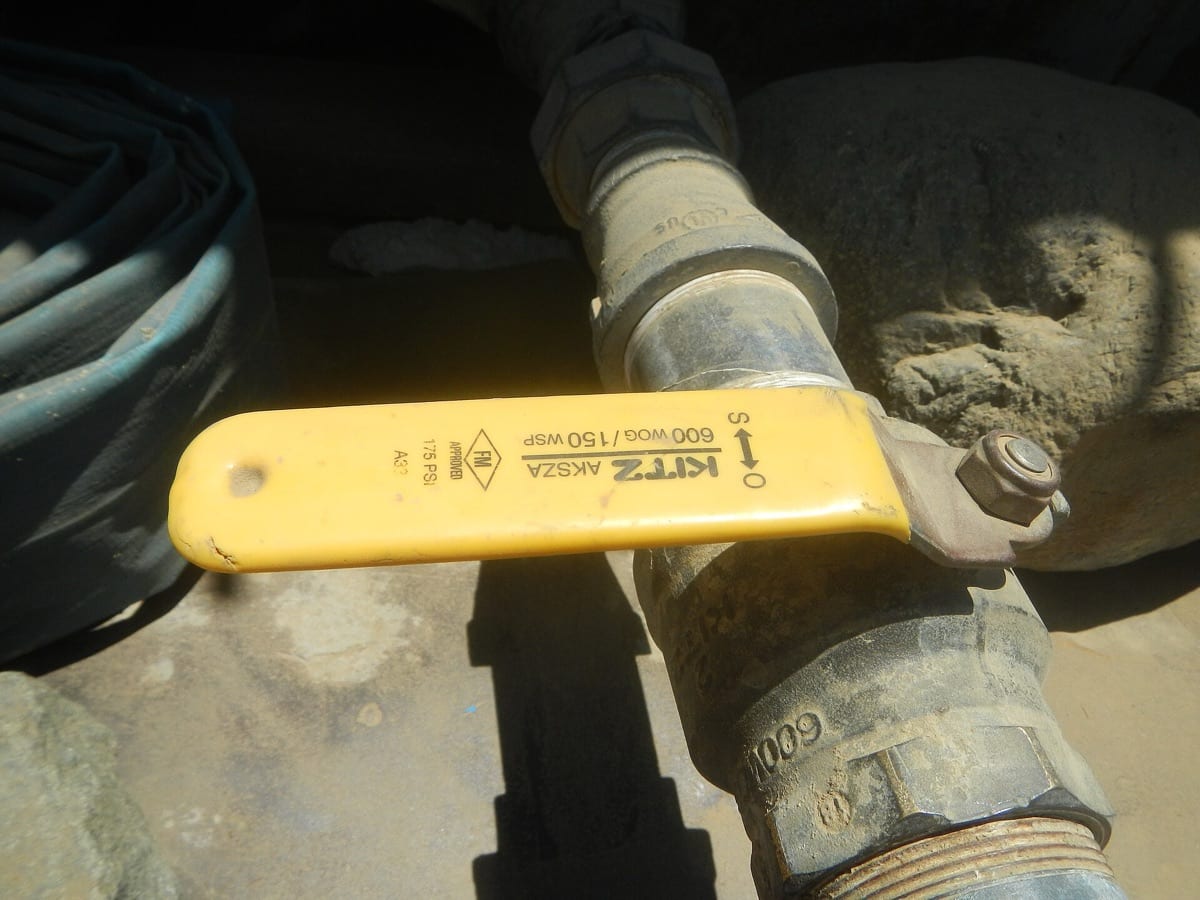
The small valve on the supply line under a sink, behind a toilet, or beside an appliance that cuts water to that one fixture, so a repair does not mean shutting down the whole house. Turn it clockwise until it stops, then open the fixture to drain the last of the pressure before any plumbing work.
Two designs are common: older multi-turn valves that screw down over several rotations, and quarter-turn ball valves whose lever moves 90 degrees from open to closed. Multi-turn valves that sit untouched for years seize up or weep at the stem exactly when you finally need them, which is why plumbers suggest closing and reopening each one once a year, just to keep it moving.
If a fixture has no shutoff valve, or the valve won't budge or drips when turned, use the home's main shutoff instead: usually near where the water line enters the house, at the water heater, or in a basement or crawl space. A seized fixture valve is worth replacing ($8–$15 for a quarter-turn) the next time the water is off anyway, because the day you need it in a hurry is the wrong day to discover it's frozen open.
Fixes that use this
Laundry & Cleaning
Dryer Takes Too Long? It's Almost Always Airflow
A dryer that needs two cycles is starved for air, not short on heat. Test the lint screen with water, then clear the duct run from both ends.
Time45–90 min Cost$0–$40 moderate
Kitchen
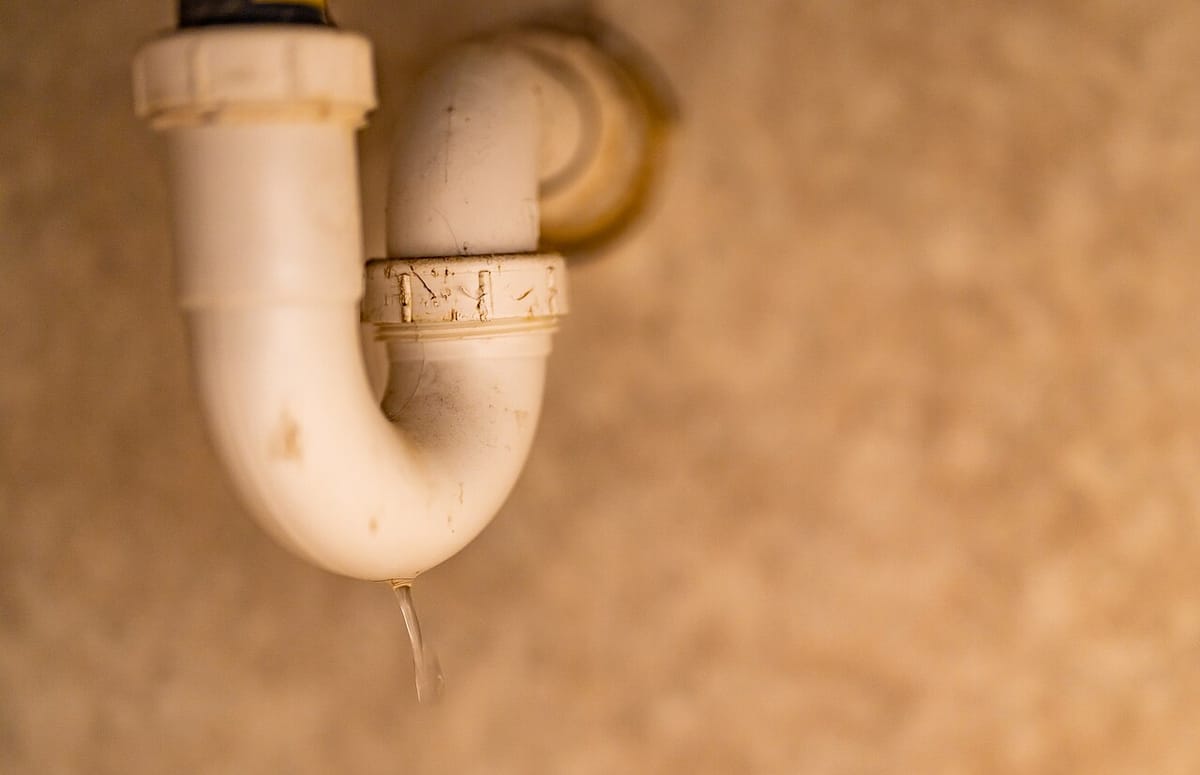
How to Fix a Leak Under the Kitchen Sink in One Evening
A leak under the kitchen sink is a supply line, the faucet, a drain joint, or the dishwasher hose. A 10-minute test finds which. Most fixes are under $15.
Time30–90 min Cost$0–$25 easy
Kitchen
How to Fix a Leaky Faucet (Find the Right Part First)
A dripping faucet is a worn cartridge, washer, or seal. How to identify your faucet type, buy the right $5–$20 part, and swap it in under an hour.
Time30–60 min Cost$5–$20 moderate
Outdoors & Seasonal
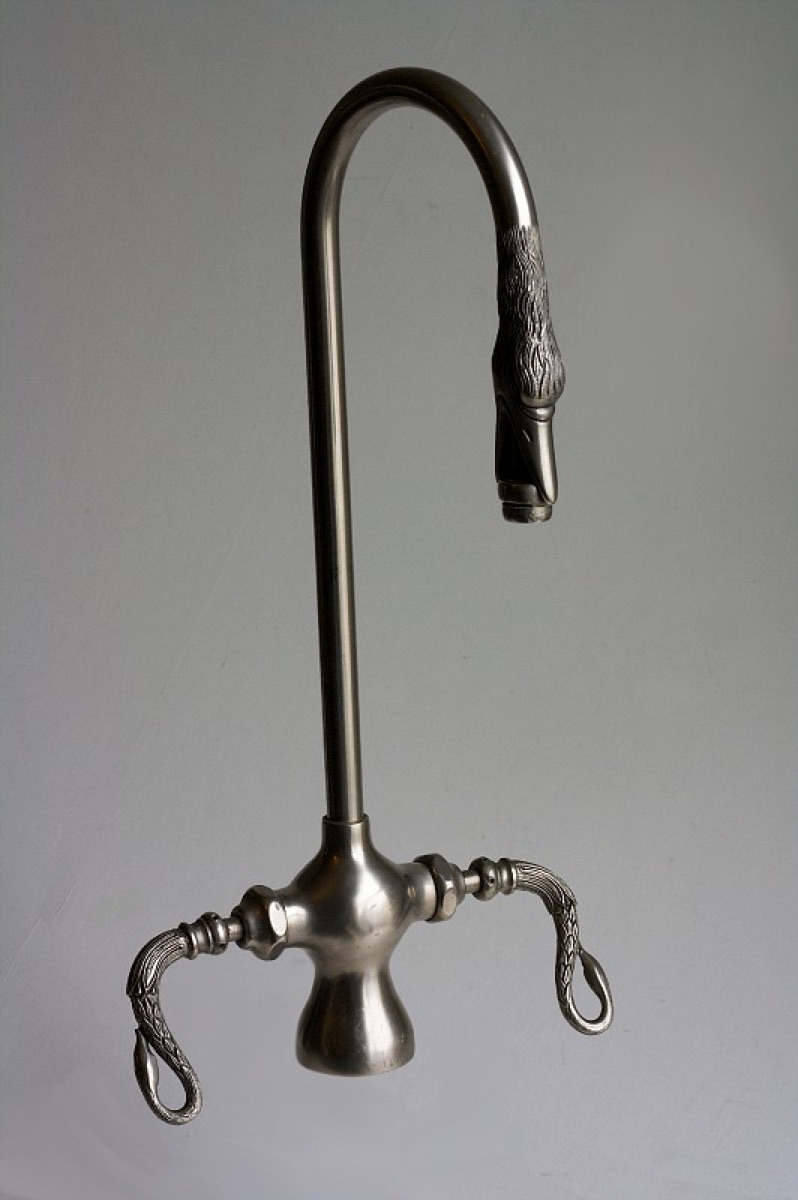
Outdoor Faucet Leaking? Where It Drips Tells You Why
A spigot that drips from the spout needs a washer. One that weeps around the handle needs the packing nut. Two different fixes, both under $10.
Time20–45 min Cost$3–$25 easy
Bathroom
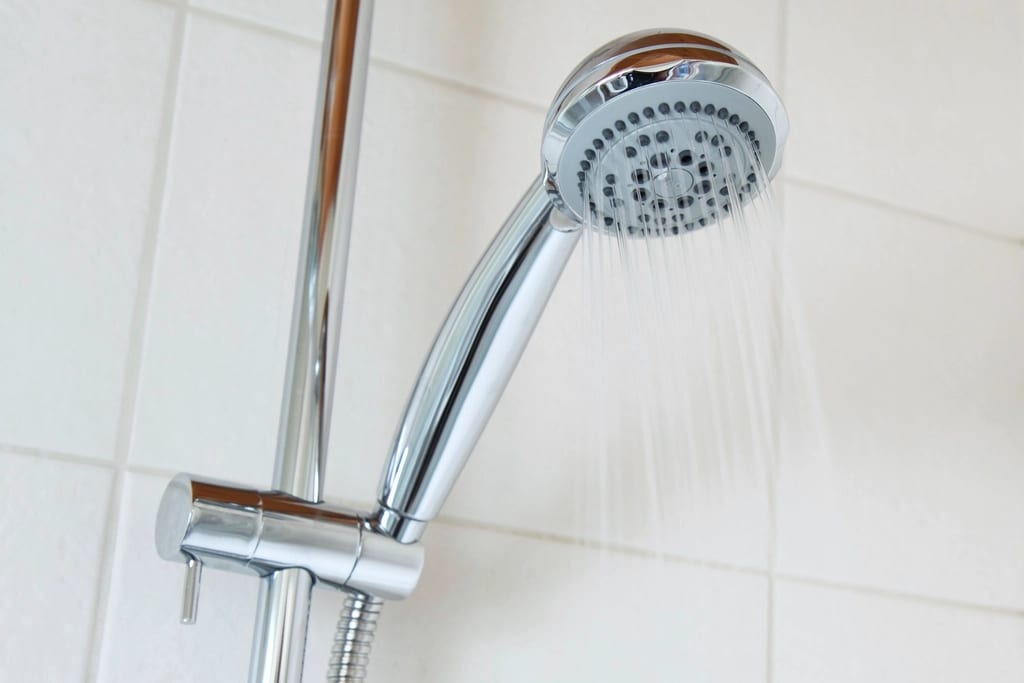
Low Shower Water Pressure? Fix It in One Evening
Weak shower pressure is usually a mineral-clogged head, not your pipes. Soak it in vinegar, check the inlet screen, and know when it's something bigger.
Time20 min active + 1–2 hr soak Cost$2–$25 moderate
Kitchen
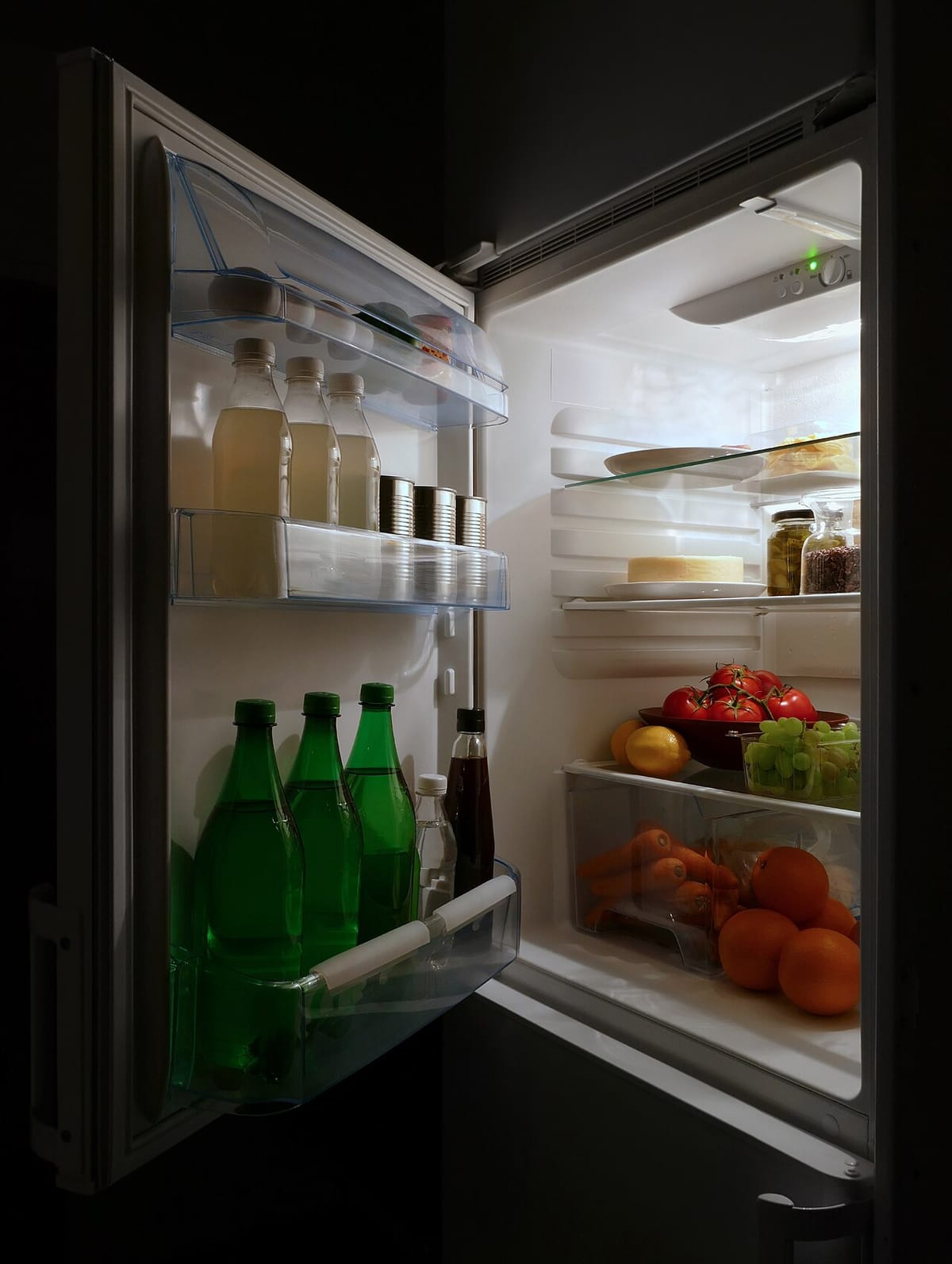
Refrigerator Leaking Water Inside? Check the Defrost Drain
Water pooling under the crisper drawers points to a frozen defrost drain. Clear it with warm water and a baster, no parts, in about 30 minutes.
Time30–45 min Cost$0–$15 easy
Bathroom
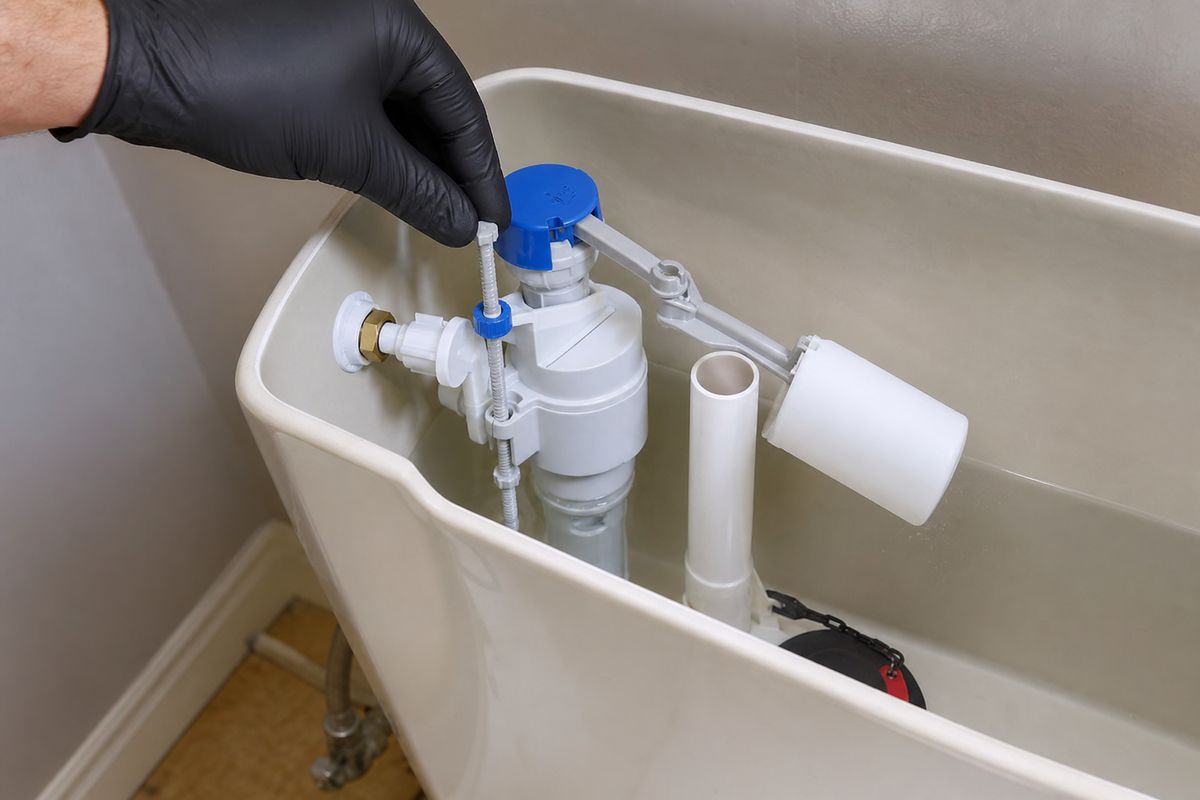
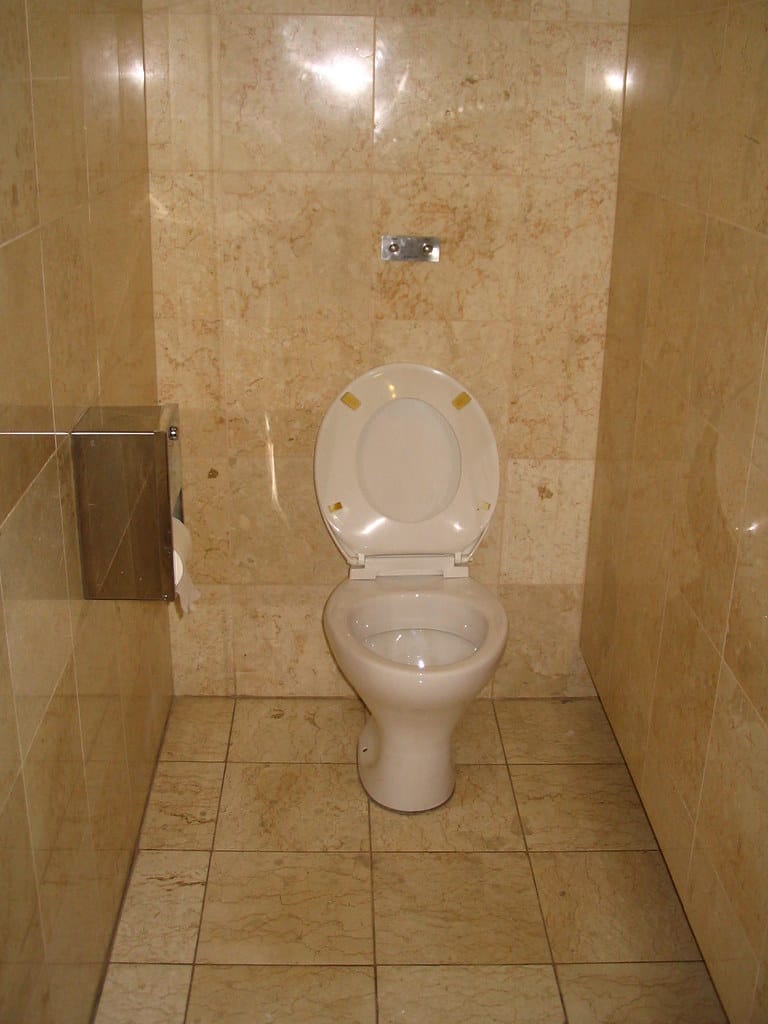
How to Replace a Toilet Fill Valve in 30 Minutes
A bad toilet fill valve hisses, refills slowly, or will not hold the water level. Shut off the supply, swap the valve, set the height, and test it.
Time30 min Cost$12–$20 moderate
Bathroom
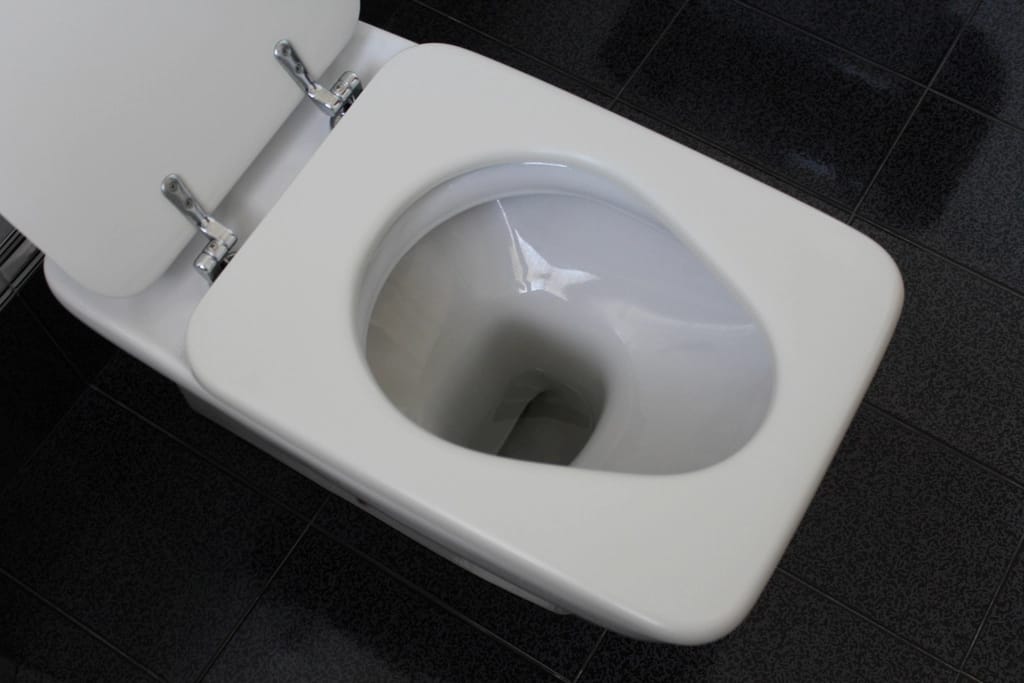
Why Your Toilet Refills Randomly, and How to Stop It
A toilet that refills on its own is leaking tank water into the bowl. Run a dye test, fix the flapper or water level, and stop the phantom flush.
Time10–20 min Cost$0–$15 easy
Bathroom
How to Unclog a Toilet Fast, With or Without a Plunger
Most clogged toilets clear with a flange plunger in five minutes. No plunger? Dish soap and hot water can do it while you wait in another room.
Time5–30 min Cost$0–$25 easy

Outdoors & Seasonal
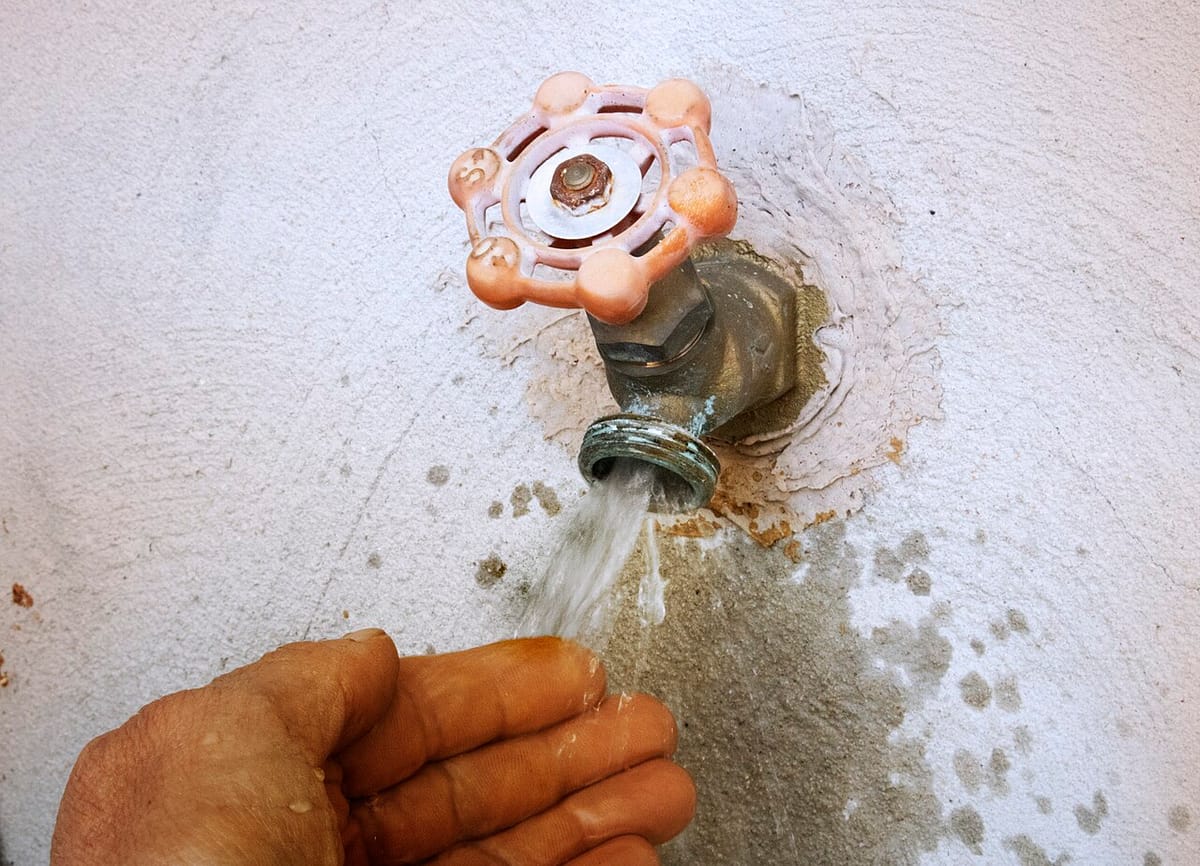
How to Winterize Outdoor Faucets Before the First Freeze
Pull the hose, close the indoor shutoff, drain the spigot, and cover it. 15 minutes per faucet in October prevents a burst pipe in the wall in January.
Time15 min per faucet Cost$0–$15 easy
Related terms
Flapper Fill valve Overflow tube Dye test P-trap Faucet cartridge Biofilm Hard water