What Is Hard Water?
Water with dissolved minerals in it. When it dries, the minerals stay behind as white crust.
Water carrying dissolved calcium and magnesium minerals, common across large parts of the U.S. When droplets evaporate, the minerals stay behind as white carbonate scale: the film on shower glass, the crust that clogs shower head nozzles, and the deposit on toilet fill hardware. Acids like vinegar dissolve it; detergents mostly do not.
Roughly 85% of US homes have some degree of hard water, with the Southwest, Midwest, and Texas hit hardest. You can read your area's hardness from your utility's annual water quality report, or just look at your fixtures: white crust on shower head nozzles, cloudy glass a week after cleaning, and stiff laundry are the classic signs.
The chemistry is what makes the fix cheap: the scale is alkaline carbonate, so any mild acid dissolves it. White vinegar is the standard because it costs $3 a bottle and is safe on most surfaces. Two cautions: extended acid contact dulls plated finishes (keep soaks under two hours on brushed nickel and bronze), and vinegar etches natural stone on contact. Never let it sit on marble or travertine. Whole-home softeners ($400–$1,500 installed) are the only fix that stops scale at the source.
Fixes that use this
Kitchen
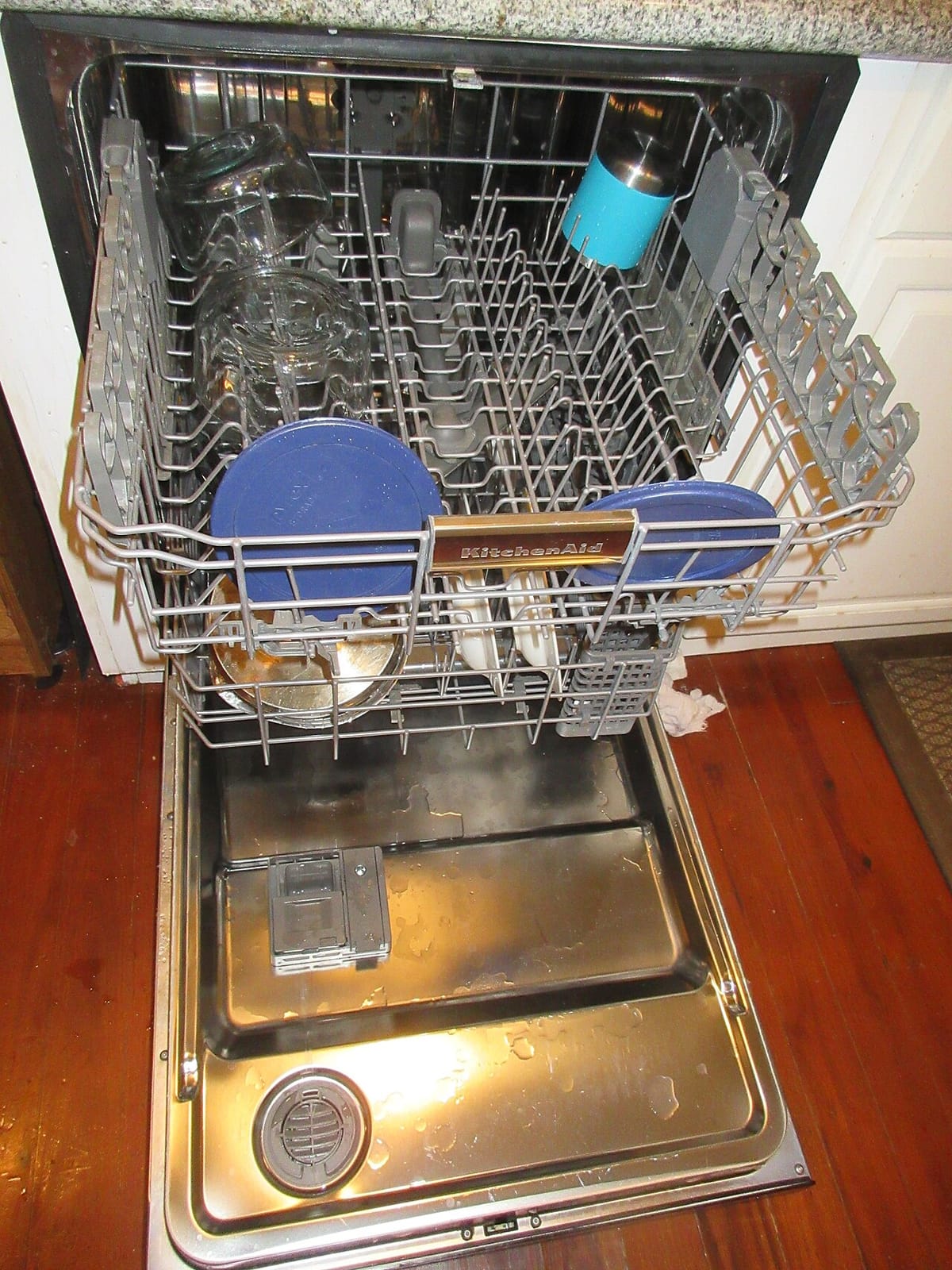
How to Clean a Dishwasher Filter in 10 Minutes
Gritty glasses and a swampy smell mean the filter is overdue. Twist it out of the tub floor, scrub it under hot water, and put ten minutes on it.
Time10–15 min Cost$0–$10 easy
Bathroom
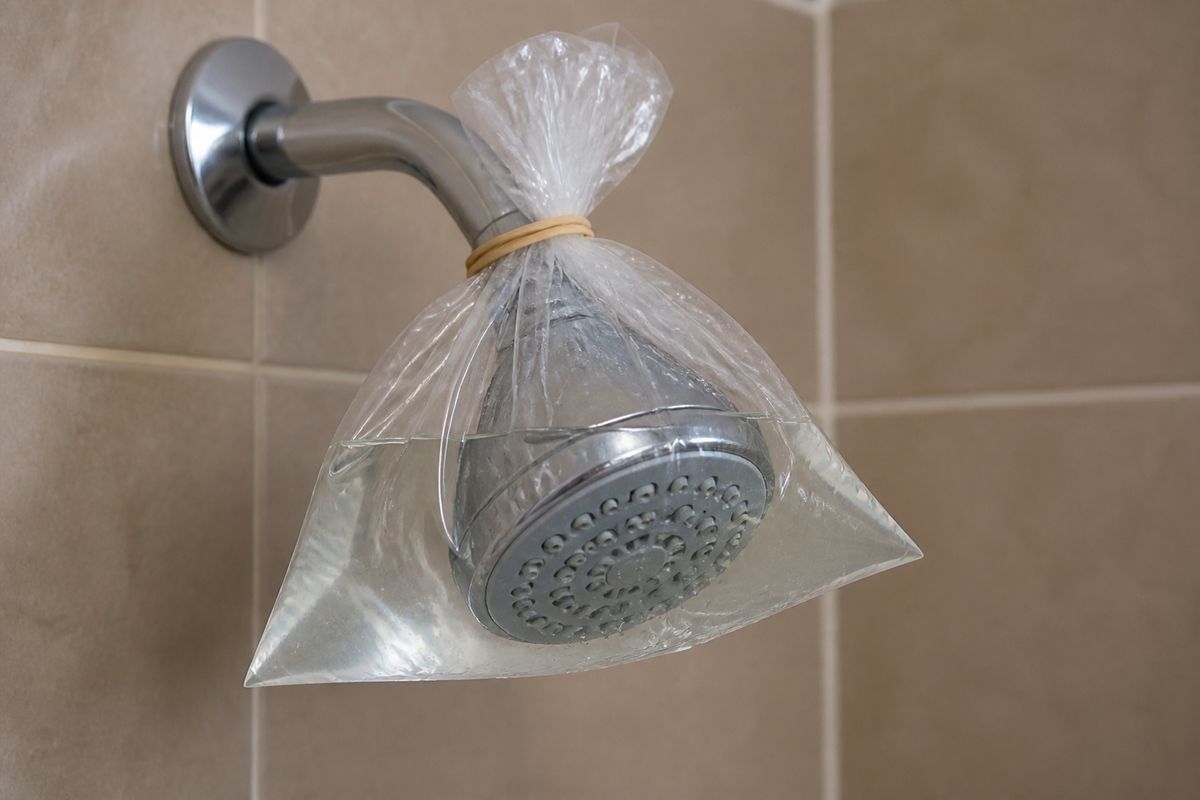
How to Clean a Shower Head With Vinegar
Clean a clogged shower head with vinegar in 90 minutes. Bag soak it, scrub nozzles, rinse the inlet screen, and restore spray without replacing parts.
Time10 min active + 1–2 hr soak Cost$2–$5 easy
Laundry & Cleaning
How to Clean a Front Load Washer Gasket That Smells
A smelly washer gasket is mold and detergent film in the rubber fold. Wipe it out, clear the drain holes, and stop that musty smell for under $5.
Time15–20 min Cost$0–$5 easy
Kitchen
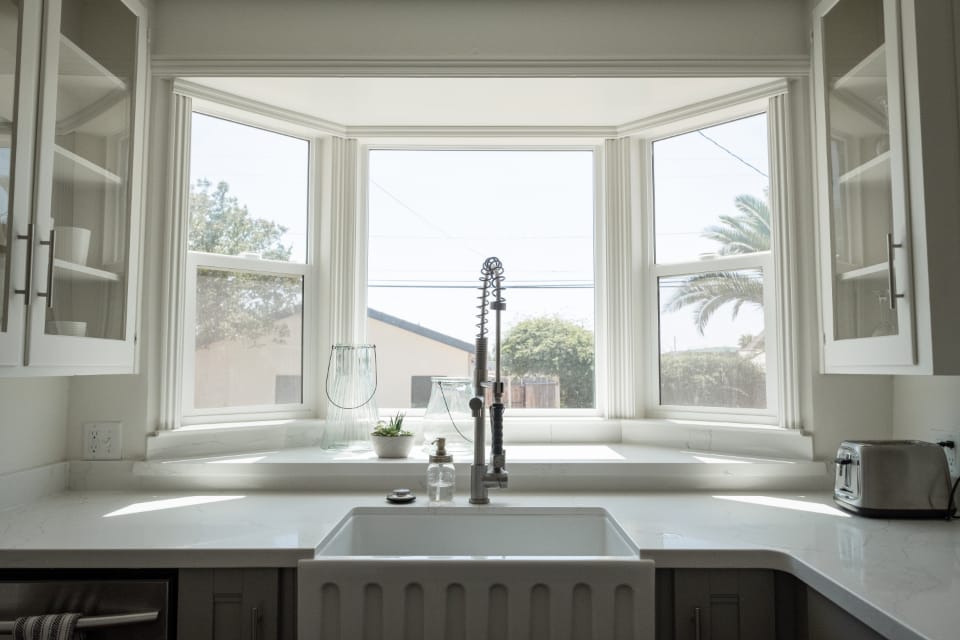
How to Fix a Leaky Faucet (Find the Right Part First)
A dripping faucet is a worn cartridge, washer, or seal. How to identify your faucet type, buy the right $5–$20 part, and swap it in under an hour.
Time30–60 min Cost$5–$20 moderate
Bathroom
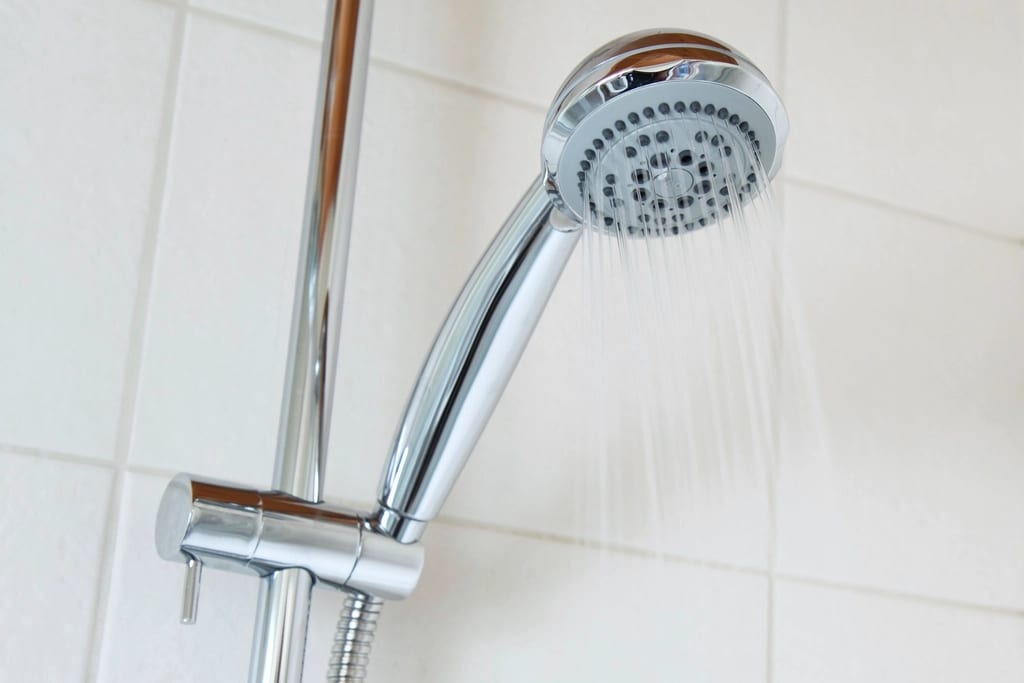
Low Shower Water Pressure? Fix It in One Evening
Weak shower pressure is usually a mineral-clogged head, not your pipes. Soak it in vinegar, check the inlet screen, and know when it's something bigger.
Time20 min active + 1–2 hr soak Cost$2–$25 moderate

Bathroom
Remove Hard Water Stains from Shower Glass (What Actually Works)
Hard water stains come off shower glass with warm vinegar and dish soap, if the glass isn't etched. How to tell the difference and what works for each.
Time30 min Cost$4–$15 easy
Bathroom
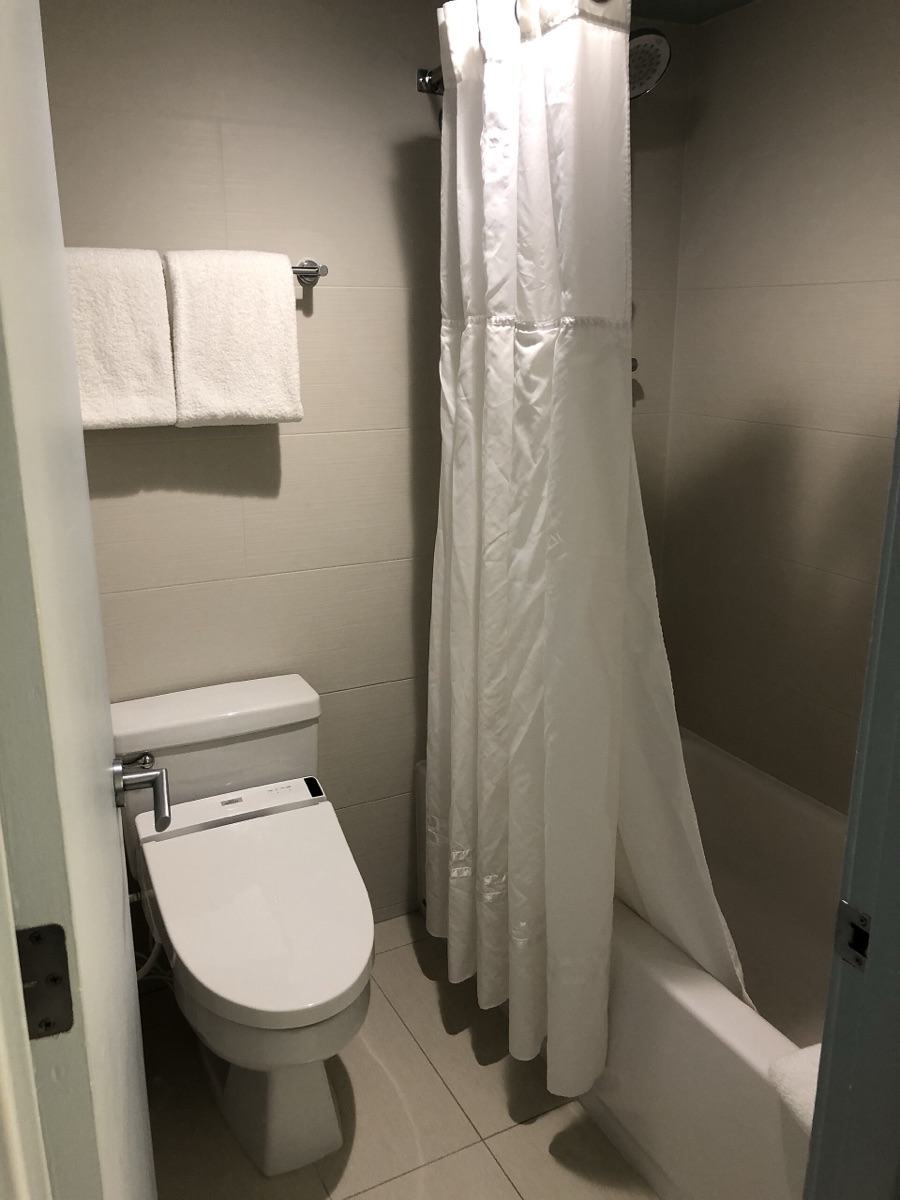
Remove Mold From Shower Caulk (Bleach Won't Do It)
If the black spots don't wipe away, the mold is rooted inside the silicone and no cleaner reaches it. Here is the test, and the two hour recaulk.
Time2–3 hrs plus curing Cost$12–$30 moderate

Bathroom
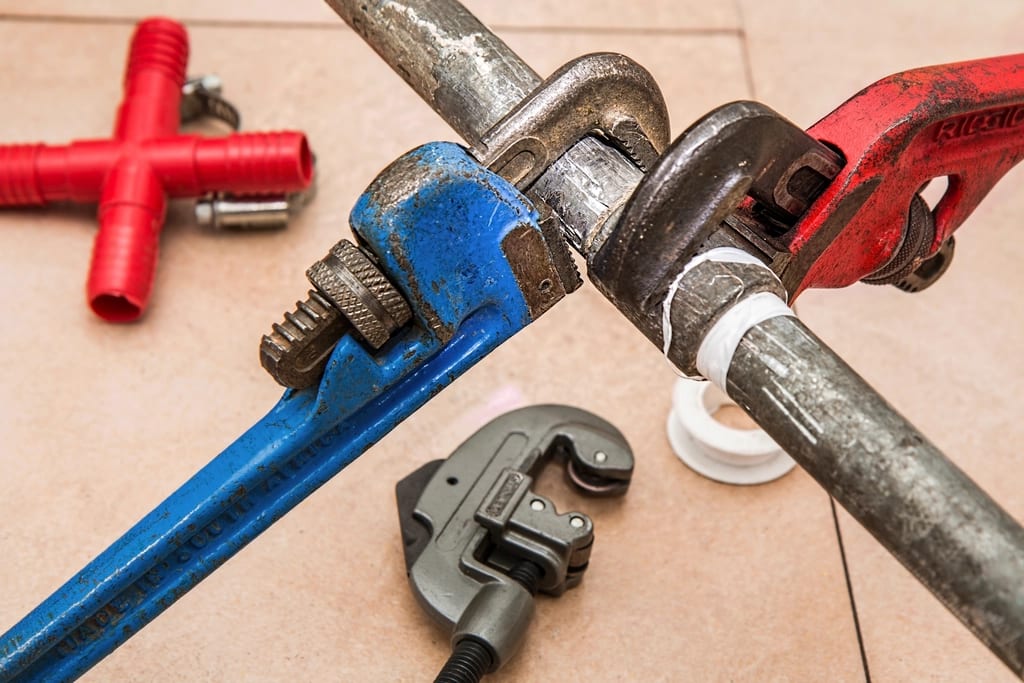
Toilet Flapper Replacement: Get the Right Size the First Time
Most toilets take a 2-inch flapper, while newer high-efficiency models need 3-inch. Tell which yours needs and install it in 10 minutes flat.
Time10 min Cost$5–$15 easy
Related terms
Flapper Fill valve Canister valve Faucet cartridge Shutoff valve Biofilm Etched glass Flow restrictor