What Is Spackle?
Toothpaste-thick filler for nail holes: press it in, let it dry, sand it smooth, invisible.
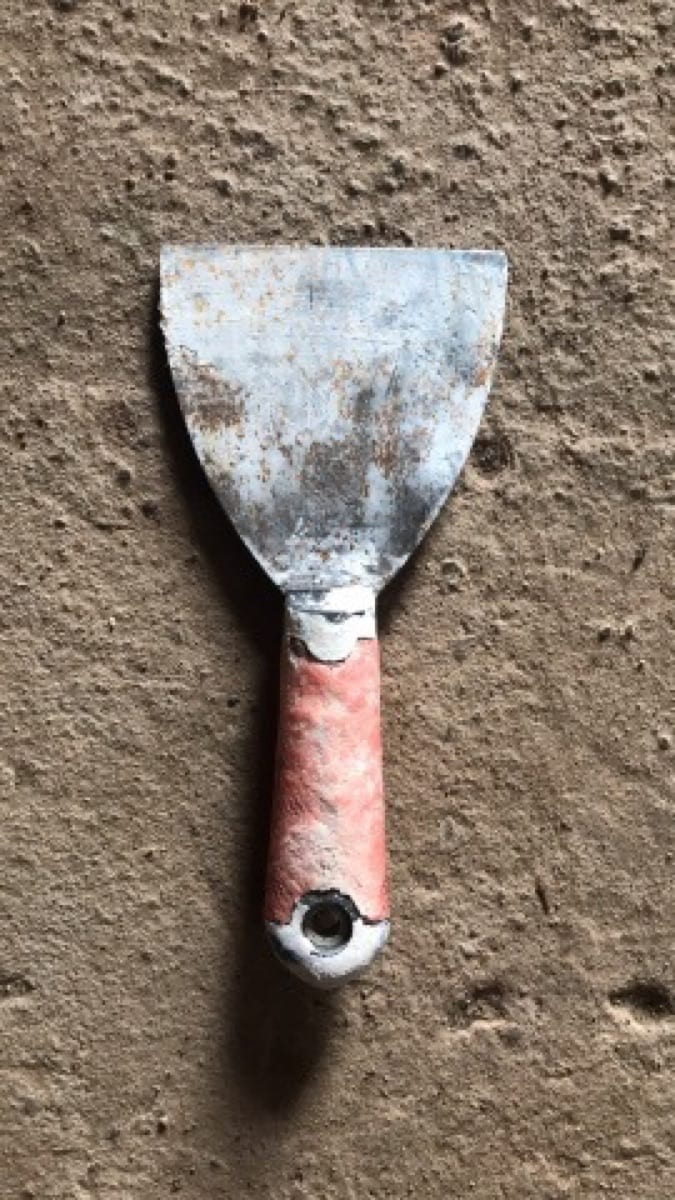
Lightweight filler paste for small wall repairs. It presses into nail holes, dries in 30–60 minutes, barely shrinks, and sands smooth with a light touch. For holes under half an inch it needs no tape or backing. Some formulas go on pink and dry white as a built-in timer.
Spackle vs. joint compound, the aisle question: spackle is for small cosmetic holes. It dries fast, shrinks almost nothing, and sands with two light strokes. Joint compound ("mud") is for taping seams and large patches. It dries slow, shrinks noticeably, and expects multiple coats. Using mud on nail holes works but costs you an hour of drying per coat; using spackle on a fist-sized hole fails, because it has no structure without backing.
A small tub ($5–$8) does an entire apartment's worth of nail holes. Look for the word "lightweight" on the label, and skip the kitchen improvisations. Toothpaste and bar soap shrink, crack, and fool no landlord. For holes bigger than a half inch, step up to a patch kit with a mesh backing before filling.
Fixes that use this
Walls, Doors & Floors
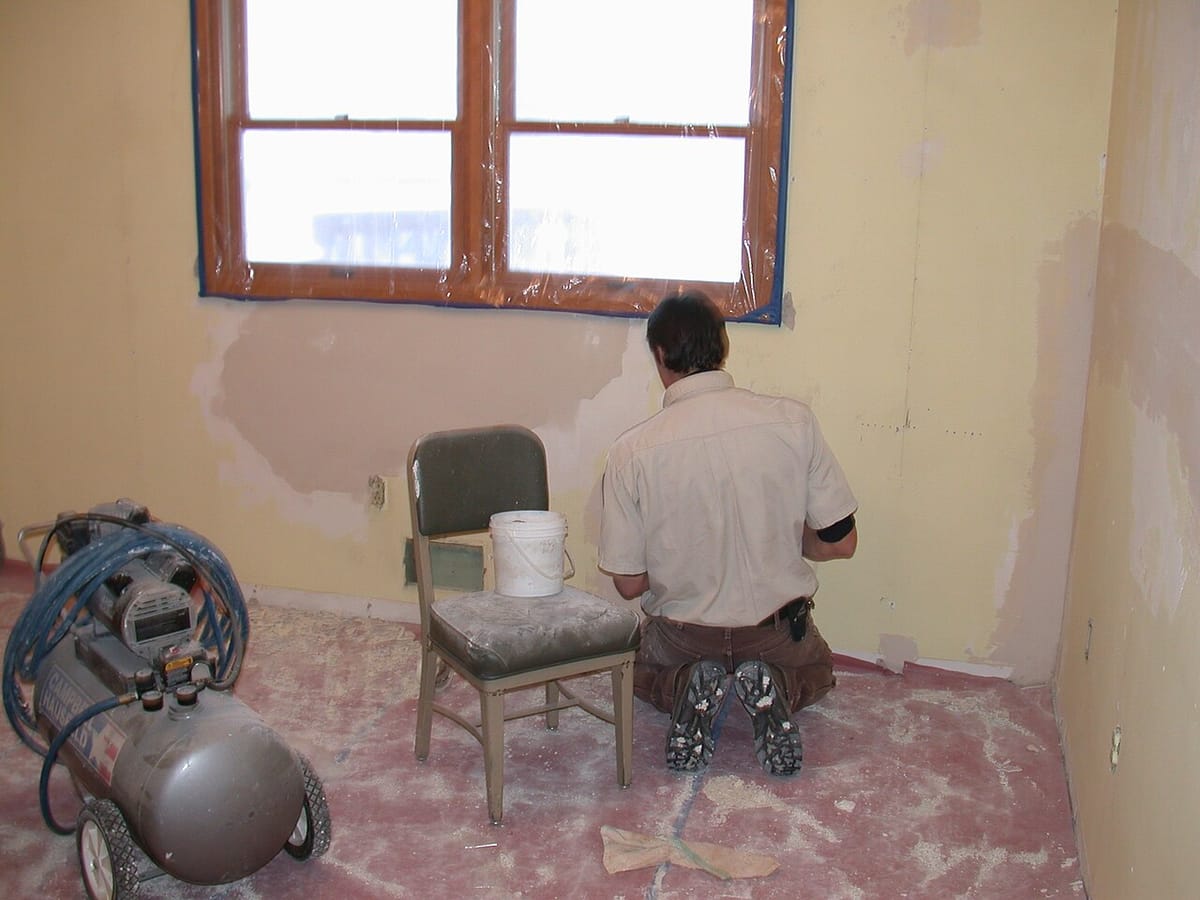
Patch a Hole in Drywall (Doorknob, Fist, or Anchor Size)
The size of the hole decides the method. Under four inches takes a mesh patch, bigger needs a backed plug. Three thin coats beat one thick one.
Time1 hr plus drying Cost$10–$35 moderate

Walls, Doors & Floors
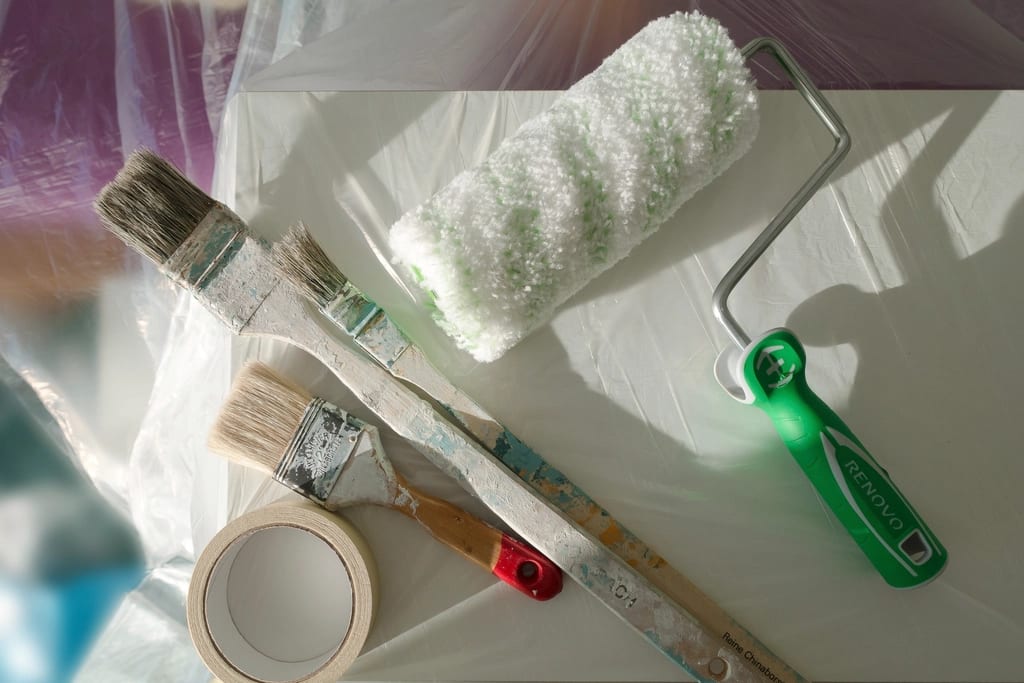
Patch Nail Holes in Drywall Before Move-Out (10 Minutes, $8)
Spackle, a putty knife, and fine sandpaper make nail holes disappear. The exact steps, drying times, and how to handle paint that doesn't match.
Time10 min per room + drying Cost$8–$12 easy