How to Fix a Dead Outlet Before Calling an Electrician
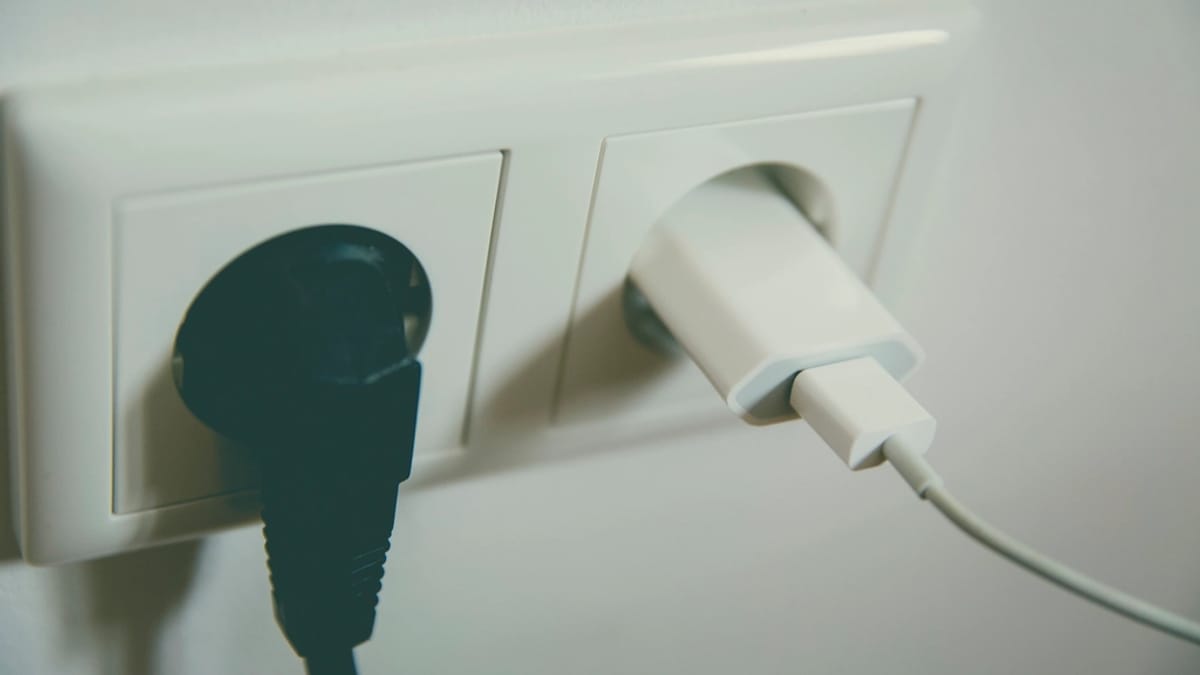
If this fix touches water, gas, or power, the guide starts with the shutoff step and says when a licensed pro should take over.
Product links in this guide are affiliate links. If you buy through one, we may earn a small commission at no extra cost to you. It never changes which products we recommend.
A dead outlet feels like an electrical mystery, but the safe checks are simple. Most single-outlet failures are a tripped GFCI, a switched outlet, or a breaker that looks on but is not fully reset. The line is clear: reset and test only. Wiring work starts after the power is verified off.
Quick Answer
To fix a dead outlet, unplug everything, reset nearby GFCI outlets, flip the breaker fully off and back on, and test the outlet with a plug-in tester. Check nearby wall switches too, because many living-room outlets are half-switched for lamps. This takes 5–15 minutes and costs $0 unless you buy a $10 outlet tester. If the outlet is hot, scorched, buzzing, loose, or still dead after resets, stop and call an electrician.
What You’ll Need
- Plug-in outlet tester, $8–$12
- Flashlight
- Phone charger or lamp you know works
Step-by-Step
Unplug everything first
Pull every plug from the dead outlet and anything nearby that stopped working at the same time. A bad appliance or power strip can trip protection again the second you reset it. If you smell burning plastic or see brown marks on the outlet, stop here and call a licensed electrician.
Reset nearby GFCI outlets
Look for outlets with Test and Reset buttons in the same room, nearby bathrooms, the garage, basement, laundry room, outside, and around the kitchen counter. Press Reset firmly until it clicks. One GFCI can protect several normal-looking outlets downstream, so the reset may be in a different room.
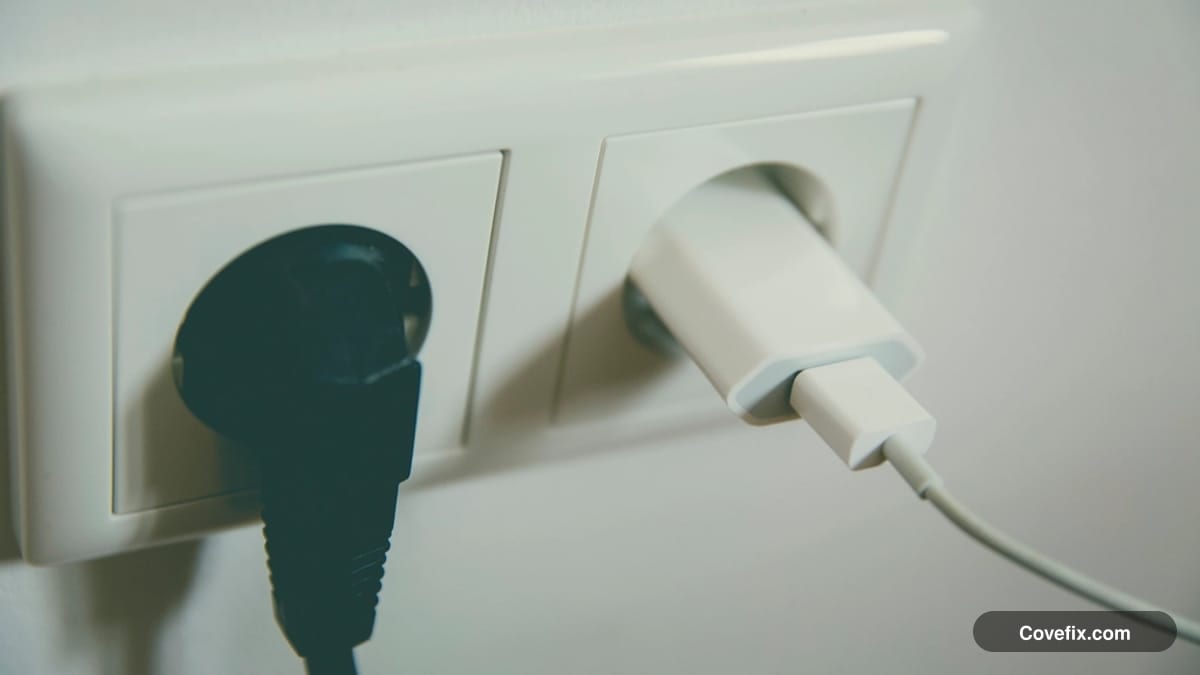 Test with a simple plug-in tester or a lamp you know works.
Reset the breaker fully
At the panel, find the breaker for that room and push it all the way off, then back on. A tripped breaker can sit halfway and look normal at a glance. If it trips again immediately, leave it off and call an electrician.
Check for a wall switch
Try nearby switches while a lamp is plugged in. Bedrooms and living rooms often have one half of an outlet controlled by a switch for floor lamps. If only one slot pair works, the outlet may be intentionally half-switched.
Test and stop at the wiring line
Use the outlet tester. If it lights normally, you are done. If it shows open ground, reversed wiring, no power, heat, buzzing, or anything inconsistent, stop. Replacing or diagnosing wiring inside the box is the point where a licensed electrician is worth the call.
Time and Cost
| Fix | Time | Cost |
|---|---|---|
| Reset GFCI, breaker, or switch | 5–15 min | $0 |
| Add an outlet tester | Same visit | $8–$12 |
| Electrician diagnostic | 30–60 min | $100–$250 |
Why This Works
Modern outlets are often protected upstream. A GFCI trips when it senses current leaking where it should not, and a breaker trips when the circuit draws too much current. Resetting those safety devices restores power when the device did its job. If the reset will not hold, the problem is not the button, it is the circuit.
Mistakes to Avoid
- Opening the outlet before testing resets. Most dead outlets are not failed outlets, so opening the box first adds risk without saving time.
- Trusting a breaker that looks on. Flip it fully off and back on. Half-tripped breakers fool people constantly.
- Ignoring heat or scorch marks. Heat means resistance, loose contact, or damage. Do not reset and hope.
- Replacing a GFCI with a normal outlet. That removes protection where code expects it, especially near water.
If the dead outlet is in a damp room, pair this with the safe shutoff habits in fixing a leaky faucet before you work near water.
FAQ
Why would one outlet stop working but the breaker is not tripped?
The outlet may be protected by a GFCI outlet somewhere else, often in a bathroom, kitchen, garage, basement, or outside. Press Reset on nearby GFCIs, check for a wall switch that controls the outlet, and stop if the outlet is warm, scorched, loose, or still dead after safe resets.
Is it safe to replace a dead outlet myself?
Only if you can shut off the correct breaker, verify the outlet is dead with a tester, and match the wiring exactly. If there is aluminum wiring, scorch marks, buzzing, heat, or more than one circuit in the box, hire a licensed electrician.
Why does my GFCI keep tripping every time I reset it?
Something on the circuit is leaking current, and the GFCI is doing its job. Unplug everything the outlet feeds and reset once more. If it holds, plug items back one at a time to find the bad one. If it trips with nothing plugged in, the wiring or the GFCI itself needs a licensed electrician.
How much does an electrician charge to fix a dead outlet?
Most electricians charge $100 to $250 for the diagnostic visit, and simple outlet replacement is often included in that first hour. That is exactly why the free checks matter: a tripped GFCI or half-reset breaker takes five minutes to rule out before anyone gets paid.
Related fixes

Outdoors & Seasonal
Fix a Drafty Door in an Hour (Weatherstripping That Lasts)
That draft under the front door costs real heating and AC money. Find the gaps with a flashlight, then seal them with $15 of weatherstripping and a sweep.
Time45–60 min Cost$10–$25 easy

Kitchen
How to Fix a Leaky Faucet (Find the Right Part First)
A dripping faucet is a worn cartridge, washer, or seal. How to identify your faucet type, buy the right $5–$20 part, and swap it in under an hour.
Time30–60 min Cost$5–$20 moderate