What Is a Furnace Flame Sensor?
The thin metal rod in a gas furnace burner flame that proves the burners lit. When it gets coated, the furnace lights and shuts off seconds later.
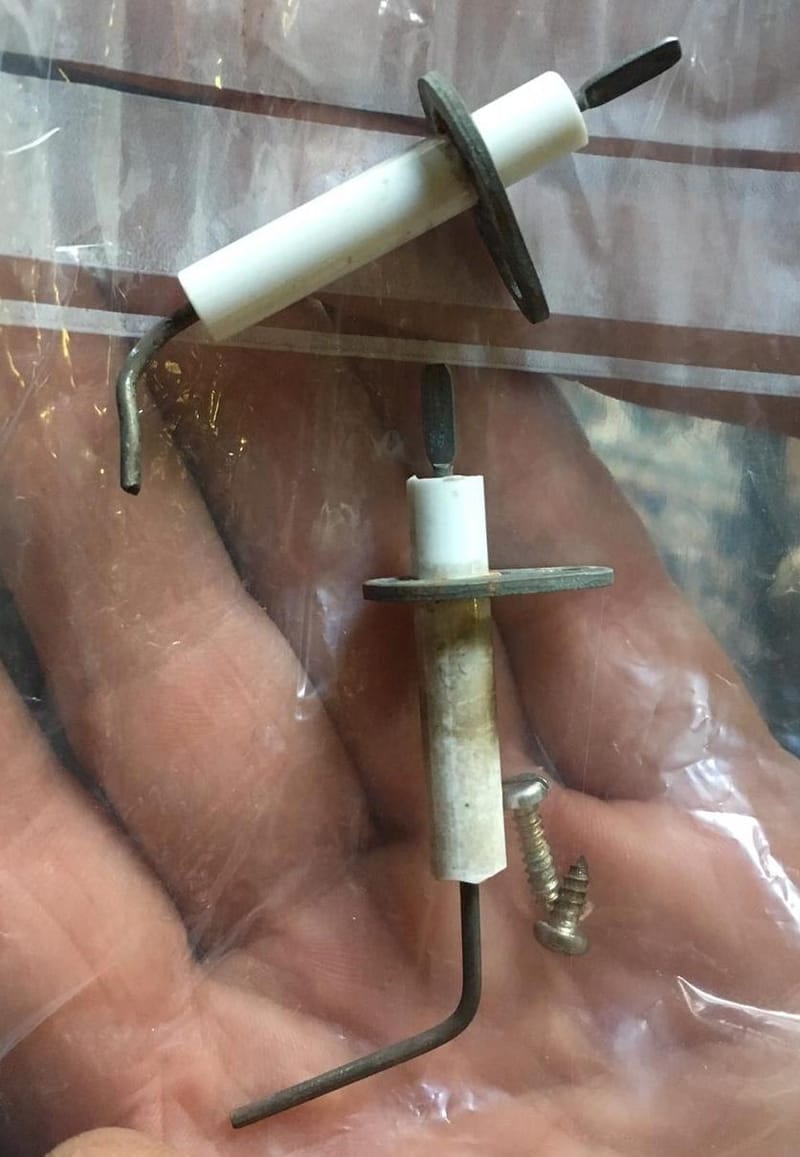
A thin metal rod with a ceramic base that sits in the path of a gas furnace's burner flame. The flame conducts a tiny current from the rod to ground, and the control board reads that current as proof the burners are lit. If no proof arrives within a few seconds of the gas valve opening, the board closes the valve to keep gas from pooling. A rod coated with oxide or dust can't pass enough current, which produces the classic symptom: the furnace lights, runs for three to five seconds, shuts down, and tries again.
Cleaning one is a 20-minute job. Switch off the furnace power and the gas, remove the single screw holding the sensor in the burner assembly, polish the rod gently with fine emery cloth or a dollar bill, and refit it without touching the clean metal. A sensor that fails after cleaning, or one with a cracked ceramic base, is a $10 to $20 part. The hot surface igniter next to it (the ceramic element that glows orange to light the gas) is the next suspect when the furnace never lights at all.
Fixes that use this
Laundry & Cleaning
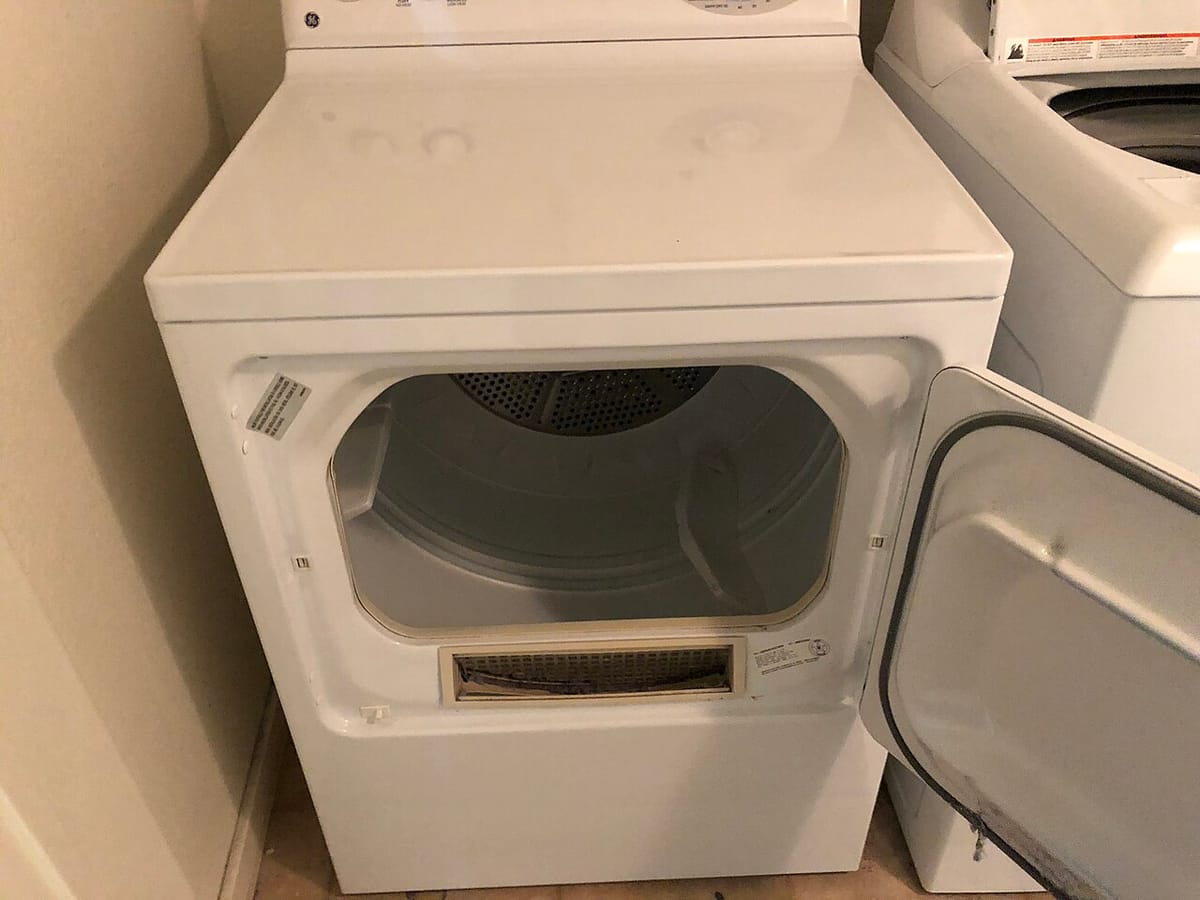
Dryer Not Heating: What to Check Before Calling a Repair Tech
A dryer that runs cold has a tripped breaker leg, a clogged vent, a blown thermal fuse, or a dead element. Check them in order. Most fixes cost under $30.
Time30–90 min Cost$0–$60 moderate
-and-flame-sensor.jpg)
Heating & Cooling
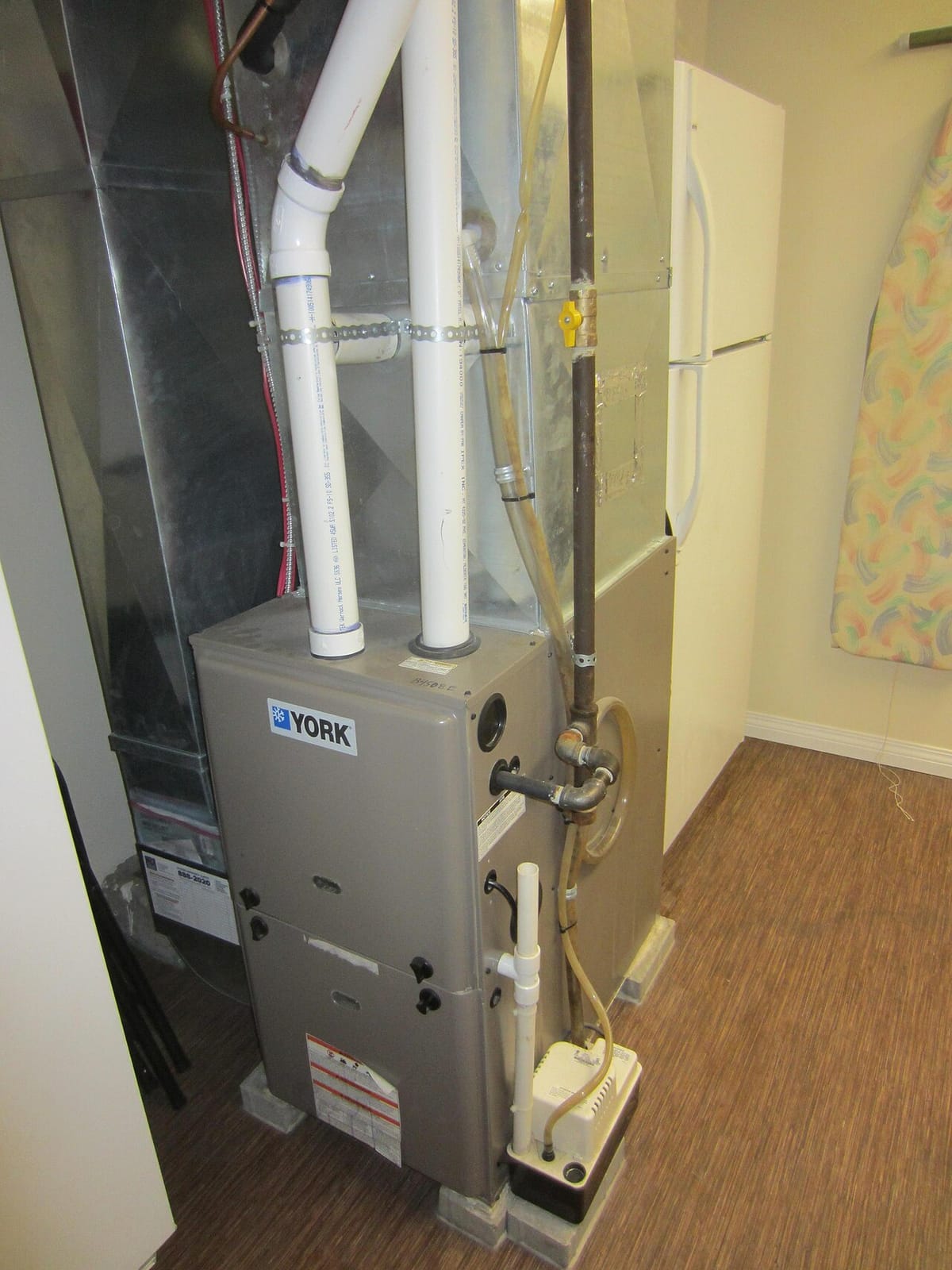
Furnace Not Turning On: 7 Checks Before You Call for Service
A furnace that won't start is usually a thermostat setting, tripped breaker, power switch, clogged filter, or loose blower door. Check those five first.
Time15–45 min Cost$0–$25 moderate