Get Rid of Wasps Safely: Treat the Nest After Dark
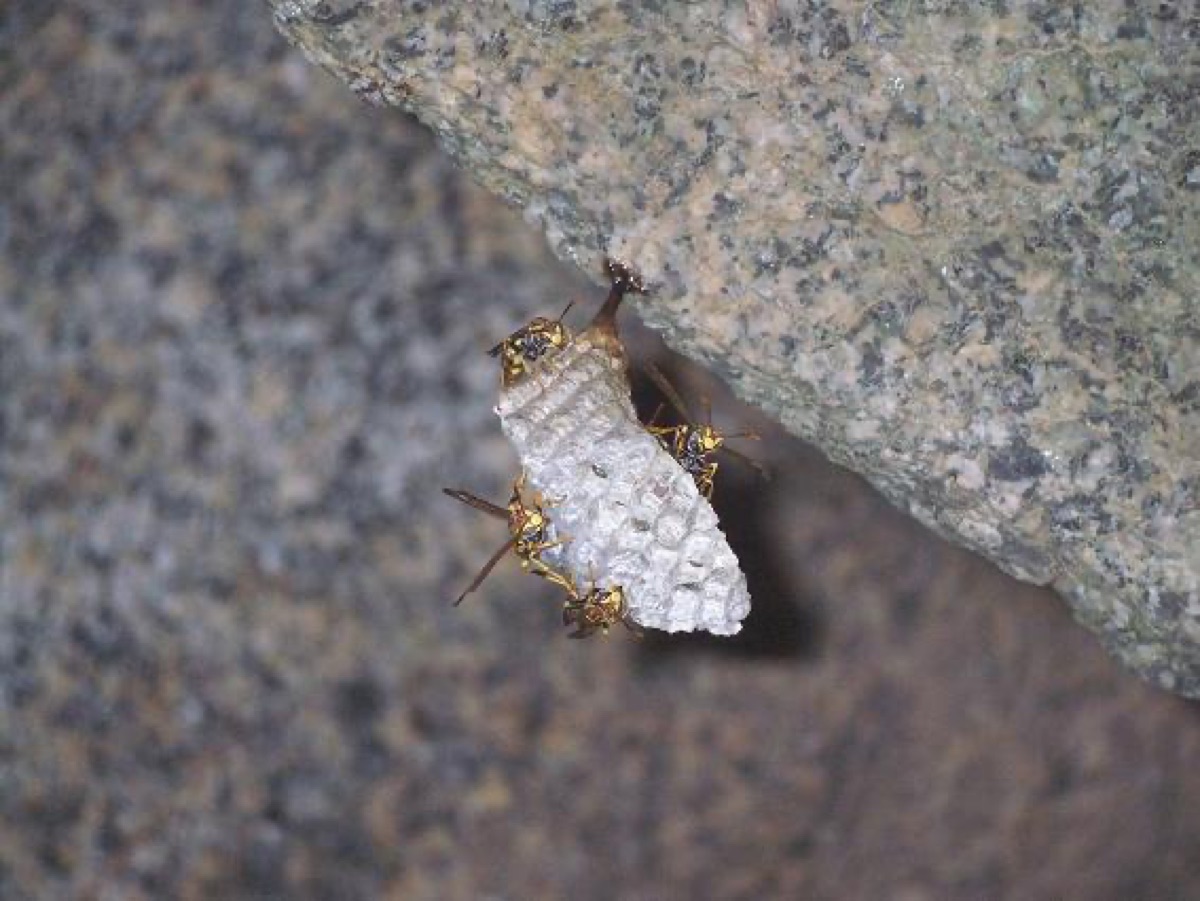
Cover photo by imvink via Wikimedia Commons, Public domain, resized.
If this fix touches water, gas, or power, the guide starts with the shutoff step and says when a licensed pro should take over.
Product links in this guide are affiliate links. If you buy through one, we may earn a small commission at no extra cost to you. It never changes which products we recommend.
A nest that was the size of a golf ball in June is the size of a grapefruit now, and the wasps in it have gotten noticeably worse tempered. That is not your imagination. Late summer is when these colonies hit maximum population and switch their focus to sugar, which is why August is both the month you finally notice the nest and the worst month to be careless about it.
Quick Answer
How you get rid of wasps depends on the nest, so identify it first, because the type decides whether this is a DIY job. An open, umbrella-shaped comb under an eave is a paper wasp nest and is the manageable one. A fully enclosed gray papery ball is a hornet nest, and a colony going in and out of a hole in the ground or a gap in the siding is yellowjackets, the most aggressive of the three. Treat from the ground with a jet-spray can, after full dark, standing with a clear retreat path and never on a ladder. Cans cost $8 to $20. Nests inside walls, in the ground, above the first floor, or anywhere near someone with a sting allergy are a job for a pro at $150 to $350.
What You’ll Need
- Wasp and hornet jet spray, $8–$12, the kind that shoots 15 to 20 feet, not a mist
- Long sleeves, long pants, closed shoes, and gloves
- A flashlight with a red filter, or red cellophane over the lens
- A planned escape route you have actually walked in the dark
- A second can, because running out mid-job is the worst possible outcome
Step-by-Step
Identify what you’re dealing with
Look from a safe distance in daylight. Paper wasps build an open comb of exposed hexagonal cells hanging from a short stalk, usually under an eave, a railing, or inside a grill lid, and they are relatively slow to defend. Bald-faced hornets build a large enclosed gray envelope, football shaped, often in a tree or under a soffit. Yellowjackets are the ones you cannot see: they stream in and out of a single hole in the lawn, a gap in the siding, or a soffit vent, and their nest is hidden inside. That last one has the highest sting risk by a wide margin.
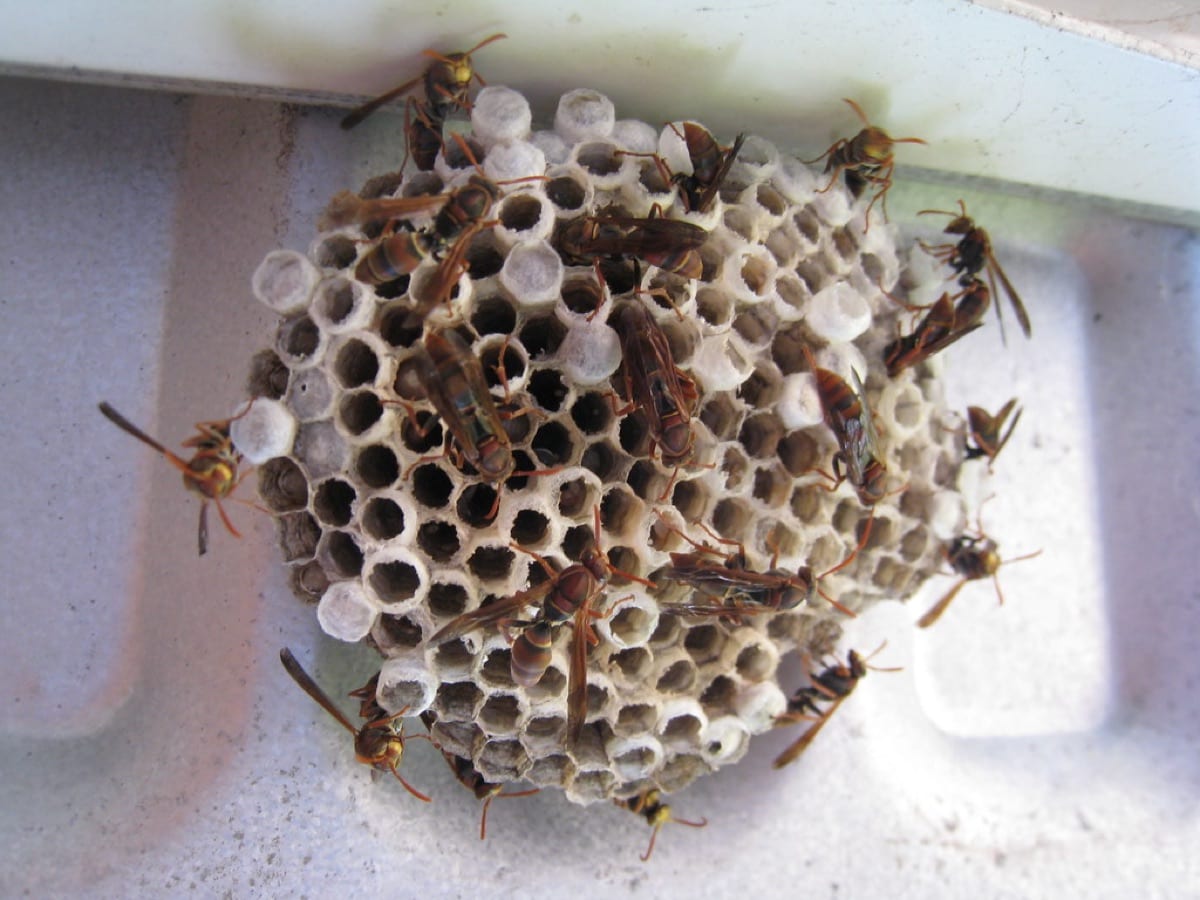 A paper wasp comb: open cells, no outer envelope, hanging from a short stalk. That exposed structure is what tells you it is not a yellowjacket nest. Photo by John Tann via Flickr, CC BY 2.0, resized.
Decide honestly whether to do it yourself
Stop and hire a pro if the nest is inside a wall or soffit void, if it is a ground yellowjacket colony, if it is higher than you can comfortably reach standing flat-footed, or if anyone in the house has ever had a serious reaction to a sting. Spraying an in-wall nest is a specific mistake worth naming, because it drives surviving wasps deeper into the cavity and sometimes straight through into the living space.
Plan the retreat before you open the can
Walk the path in daylight, then walk it again in the dark. You want to know exactly where the garden hose, the flower pot, and the step down off the patio are, because you may be moving backward at speed with a light in one hand. Have the door you’re heading for unlocked and closed, not propped open with your family behind it.
Go after dark, with a red light
Wait until full dark, ideally on a cool night. The whole colony is home, they are cold and slow, and they cannot fly well. Use a red-filtered light, since wasps see white light and orient toward it, and set the light on the ground pointing at the nest rather than holding it beside your face.
Spray from the ground, and spray thoroughly
Stand back at the far end of the can’s range, 15 to 20 feet, and aim for the entrance. On a paper wasp comb, soak the whole comb and the wasps clustered on it. On an enclosed hornet nest, empty the can into the entrance hole low on the nest. Keep spraying for several seconds longer than feels necessary. Then leave. Do not stand and watch, and do not go back for a second look in the dark.
Check the next day and repeat if needed
In daylight, watch from a distance for twenty minutes. Any activity at all means survivors, and it takes a second treatment. Once you have watched for a full day with no traffic, knock the nest down with a long pole and bag it, which matters because an abandoned nest left in place can attract carpet beetles and the site itself often gets reused.
Close the opportunity for next spring
Queens overwinter and look for sheltered spots in early spring. Seal gaps in soffits and siding, screen attic and crawlspace vents, keep grill lids closed, and check the usual eaves in May when a new nest is the size of a marble and takes ten harmless seconds to remove.
Time and Cost
| Fix | Time | Cost |
|---|---|---|
| Treat an accessible paper wasp nest | 20–40 min | $8–$12 |
| Second can and repeat treatment | 20 min | $8–$12 |
| Seal entry gaps in spring | 1–2 hrs | $15–$25 |
| Pro removal, accessible nest | 30–60 min | $150–$250 |
| Pro removal, in-wall or high nest | 1–2 hrs | $250–$350 |
Why This Works
A wasp colony runs on a single queen and a strictly seasonal calendar. Through spring and early summer the workers are busy feeding larvae protein, which keeps them focused and largely indifferent to you. In late summer the queen stops laying, the larvae that used to reward workers with sugary secretions are gone, and hundreds of adults are left with nothing to do and a craving for carbohydrates. That is the behavioral shift behind both the picnic invasions and the shorter tempers. Treating at night works because wasps are diurnal and effectively grounded in the cold and dark, so the entire population is present, clustered, and slow at the same moment, which is the only time a single can can reach all of them.
Mistakes to Avoid
- Working from a ladder. There is no safe way to retreat from one. This causes more injuries than the stings do.
- Spraying in daylight. Half the colony is out foraging, and they come home to a destroyed nest and a person standing next to it.
- Treating a nest inside a wall. It pushes wasps deeper into the cavity, and they sometimes find their way indoors instead of out.
- Using a mist or general bug spray. You need a jet stream that reaches from 20 feet. A mist requires you to be close, which is the thing you are trying to avoid.
- Knocking a nest down first and asking questions later. A physically intact but untreated nest is several hundred wasps arriving at once.
- Sealing a wall entry while the colony is alive. Blocked wasps chew a new exit, and it is often on the interior side.
Pests that come indoors in fall follow the same logic of warmth plus an opening, which is why sealing gaps pays off twice. If scratching in the walls after dark turns out to be the bigger problem, that one starts with finding and sealing the entry points mice use.
FAQ
What time of day is safest to spray a wasp nest?
After full dark or right at dawn. Wasps are all home, cold, and sluggish then, and they cannot fly well below about 50 degrees. Spraying at midday hits a nest that is half empty, leaves foragers to return angry with no nest, and puts you in front of the most active defenders of the day.
Why are wasps so aggressive in late summer?
The colony peaks in size in August and September, and the queen stops laying, so the workers lose their brood-feeding job and switch to hunting sugar. That is why they suddenly show up at soda cans and picnics. A bigger colony with nothing to do and a taste for your drink is a far shorter fuse than the same nest in June.
Can I spray a wasp nest while standing on a ladder?
No, and this is the most important line in this article. You cannot retreat from a ladder. People are hurt far more often by the fall than by the stings. If the nest is out of reach from the ground with a jet-spray can, that is the point to hire someone with the right equipment.
What does wasp removal cost if I hire it out?
Typically $150 to $350 for a single accessible nest, more for a colony inside a wall void or a high roofline. It is money well spent for in-wall nests, ground yellowjacket colonies, anything above the first floor, or if anyone in the household has a sting allergy.
Related fixes
Pests
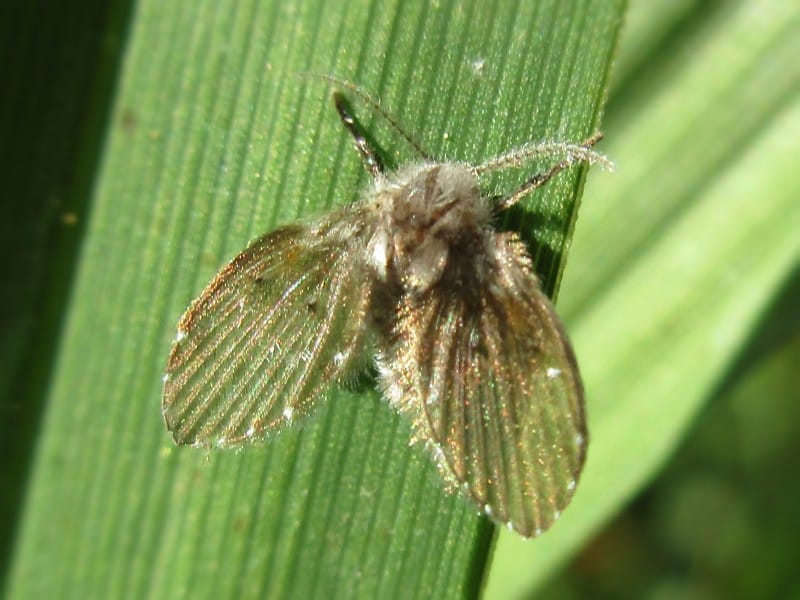
Drain Flies Keep Coming Back? Kill the Biofilm
Drain flies breed in the biofilm coating a slow drain, not the water. Scrub the pipe, treat it, and repeat for about a week to actually break the cycle.
Time30 min + a week Cost$5–$20 easy

Pests
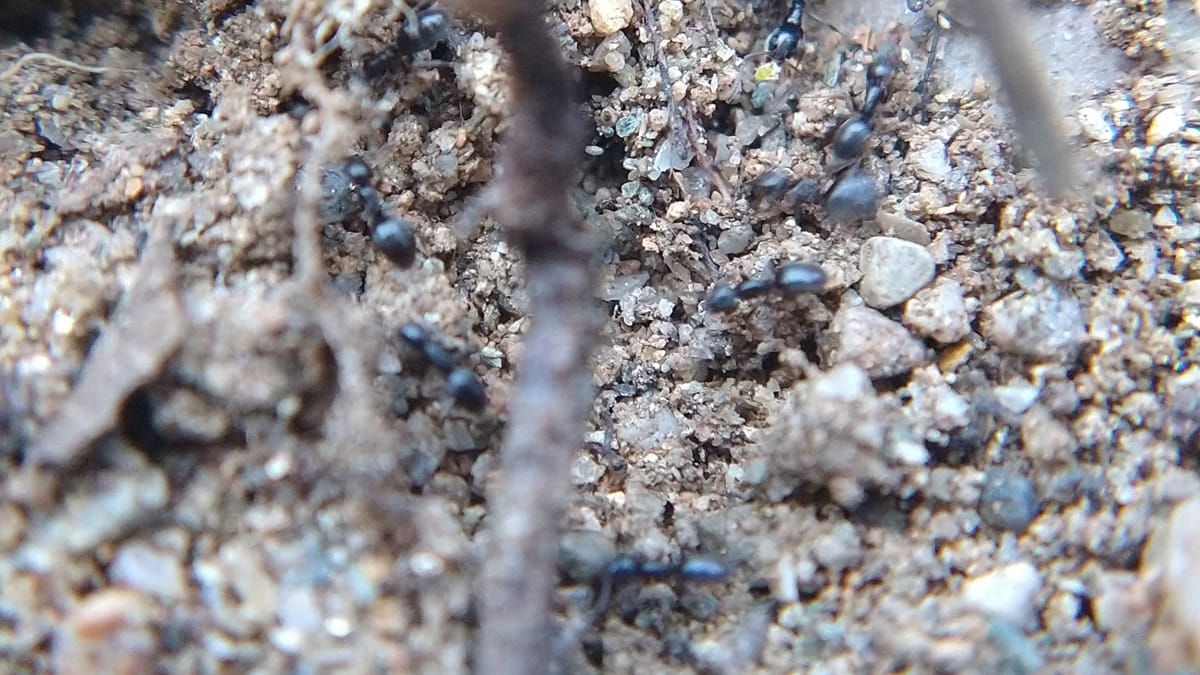
How to Stop Ants in the Kitchen
Kitchen ants follow food, water, and scent trails. Clean the trail, seal the entry point, and use bait so the colony carries it home for good.
Time20–30 min Cost$3–$12 easy