Drain Flies Keep Coming Back? Kill the Biofilm
If this fix touches water, gas, or power, the guide starts with the shutoff step and says when a licensed pro should take over.
Product links in this guide are affiliate links. If you buy through one, we may earn a small commission at no extra cost to you. It never changes which products we recommend.
Drain flies are the pest that makes people think their whole bathroom is dirty, when really it’s one specific layer of gunk a few inches down the drain. Spraying the sink or pouring bleach down it rarely works, because neither one touches where the flies are actually breeding.
Quick Answer
Drain flies breed in the biofilm lining a slow or rarely-used drain, not in the water itself. Scrub as far down the pipe as a bottle brush reaches, then apply a drain-safe gel or foam treatment made to break down biofilm, and repeat every 2 to 3 days for about a week. That staggered repeat matters, since eggs hatch on a cycle and one treatment alone usually misses some.
What You’ll Need
- A drain or bottle brush that reaches past the trap
- Drain fly gel treatment, $8–$15
- Rubber gloves
Step-by-Step
Confirm it’s actually the drain
Cover the suspected drain overnight with a strip of clear tape, sticky side down, leaving a small gap for flies to enter. Flies trapped on the tape by morning confirm that drain is the source rather than a random fly that wandered in.
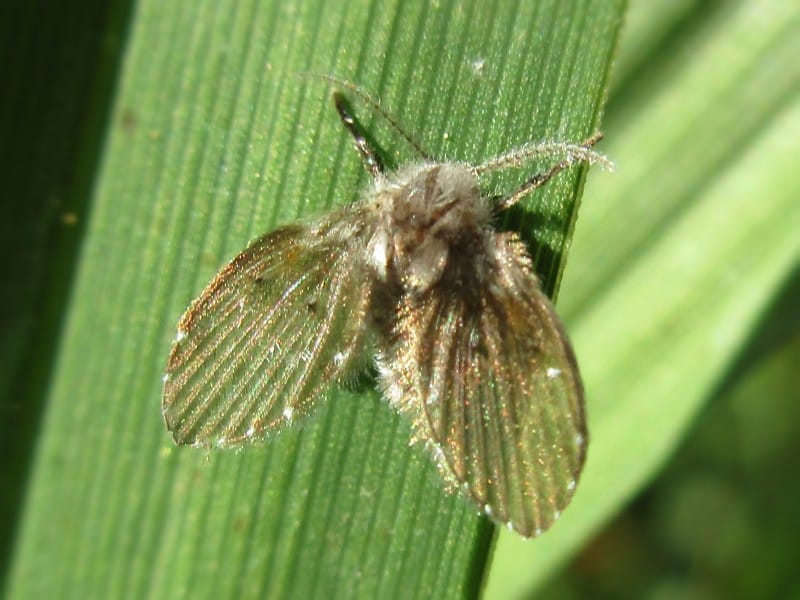
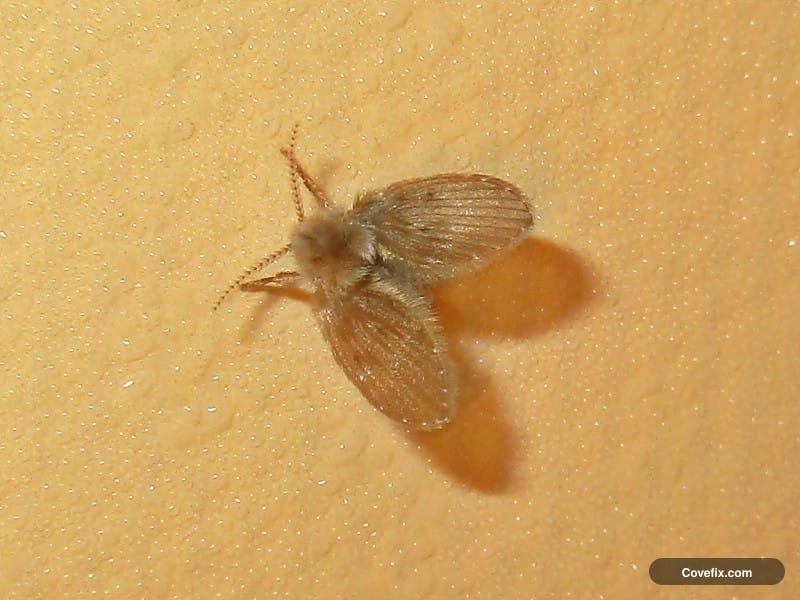 Drain flies look fuzzy and moth-like, which helps separate them from fruit flies or fungus gnats.
Scrub as deep as the brush reaches
Push a bottle brush down past the trap and scrub the pipe walls in a circular motion. This is the step bleach and drain cleaner skip entirely, and it’s what actually disturbs the biofilm layer instead of just splashing past it.
Apply the gel or foam treatment
Follow the label, which usually means applying it directly to the pipe walls and letting it sit for several hours or overnight rather than flushing it immediately. The goal is contact time against the film, not a fast rinse.
Repeat every 2 to 3 days for a week
Drain fly eggs hatch on a staggered schedule, so a single treatment often leaves some eggs untouched. Repeating the brush-and-treat routine three or four times over a week breaks the cycle instead of just thinning it temporarily.
Run rarely-used drains weekly
Guest bathroom sinks, floor drains, and basement drains dry out and build biofilm fastest because nothing disturbs them. Running water through them for a minute once a week keeps the film from establishing in the first place.
Time and Cost
| Fix | Time | Cost |
|---|---|---|
| Brush and gel treatment, one round | 30 min | $8–$15 |
| Full week of repeat treatments | 30 min every 2–3 days | $8–$20 total |
| Plumber drain cleaning | 30–60 min | $150–$300 |
Why This Works
The gray, slippery layer coating a slow drain’s pipe walls is biofilm, a mix of bacteria, soap residue, hair, and organic matter that thrives wherever moisture sits undisturbed. Drain flies lay eggs directly into that film, and the larvae feed on it, which is why cleaning the visible drain opening does nothing: the breeding ground is a few inches further down, out of sight. Chemical cleaners mostly kill what they touch on the surface and leave the deeper structure intact, while physically scrubbing it and repeating the treatment through a full egg-hatch cycle actually removes the flies’ food source and nursery at the same time.
Mistakes to Avoid
- Pouring bleach down the drain and stopping there. It doesn’t reach or remove the biofilm layer where the eggs are.
- Treating once and assuming it’s fixed. Staggered egg hatching means a second wave a few days later is normal, not a failure.
- Only cleaning the visible drain opening. The biofilm causing the problem sits below the trap, past where a sponge reaches.
- Ignoring a rarely used drain elsewhere in the house. A guest bathroom or floor drain that never runs is often the real source, even if the flies are showing up somewhere else.
If the same drain is also slow or smells bad, unclogging a bathroom sink drain and clearing that buildup solves both problems at once.
Tiny flies near the windowsill plants rather than the drain are a different insect with a different breeding ground. Fungus gnats come from wet potting soil, and the fix starts with the watering can.
FAQ
What are those little black flies near my bathroom drain?
Almost certainly drain flies (also called drain gnats or moth flies). They're small, fuzzy-winged, and slow fliers that hang around sinks, tubs, and floor drains. They breed in the biofilm lining a rarely-used or slow drain, not in clean standing water.
Why do drain flies keep coming back after I clean the sink?
Because wiping the sink doesn't reach the biofilm coating the pipe walls below the trap, which is where the eggs actually are. Surface cleaning looks like it worked for a day or two, then a new generation hatches from the same film.
Does bleach kill drain flies?
Not reliably. Bleach kills what it touches on the surface but doesn't penetrate or physically remove the biofilm layer where eggs and larvae live, so flies often reappear within days. A brush plus a gel treatment that actually breaks down the film works better.
How long does it take to get rid of drain flies for good?
Plan on about a week. Eggs hatch on a staggered cycle, so a single treatment can miss eggs that hatch a few days later. Repeating the brush-and-treat routine every 2 to 3 days for a week usually clears it for good.
Related fixes
Kitchen
Garbage Disposal Smells? Clean It in 10 Minutes (3 Steps)
A stinky disposal is rotting film on the splash guard and chamber walls, not a broken unit. Scrub, flush, and deodorize it with $2 of pantry staples.
Time10–15 min Cost$0–$5 easy
Bathroom
Unclog a Slow Bathroom Sink in 15 Minutes, No Chemicals
A slow bathroom sink is almost always hair caught at the pop-up stopper. Pull it, clear it with a $4 zip tool, and clean the P-trap if needed.
Time15–30 min Cost$3–$5 easy