Why Is Upstairs So Hot? Fix the Heat Traps First
If this fix touches water, gas, or power, the guide starts with the shutoff step and says when a licensed pro should take over.
Product links in this guide are affiliate links. If you buy through one, we may earn a small commission at no extra cost to you. It never changes which products we recommend.
If upstairs is comfortable at breakfast and miserable by dinner, the room is gaining heat faster than the AC can remove it. The fix is not one magic vent trick. Start by blocking the heat, then check airflow.
Quick Answer
If you are asking why is upstairs so hot, check four things in order: sun on windows, blocked airflow, dirty HVAC filter, and attic heat above the room. Close blinds before direct sun hits, keep doors and vents open, set ceiling fans counterclockwise, and replace a dirty filter. This takes 20–60 minutes and costs $0–$60. If upstairs stays more than 5 degrees hotter than downstairs after those checks, get an HVAC pro to test duct leaks, return airflow, and system balance.
What You’ll Need
- Thermometer or thermostat reading for upstairs and downstairs
- Blackout curtains, $20–$40, optional for sunny windows
- Pleated HVAC filter, $8–$25, if the old one is dirty
- Flashlight for checking the attic hatch or visible insulation
Step-by-Step
Measure the temperature gap
Check upstairs and downstairs at the same time, ideally late afternoon. A 2–3 degree difference is common in summer. A 5 degree or larger gap means the upper floor needs heat blocking, airflow help, or duct balancing.
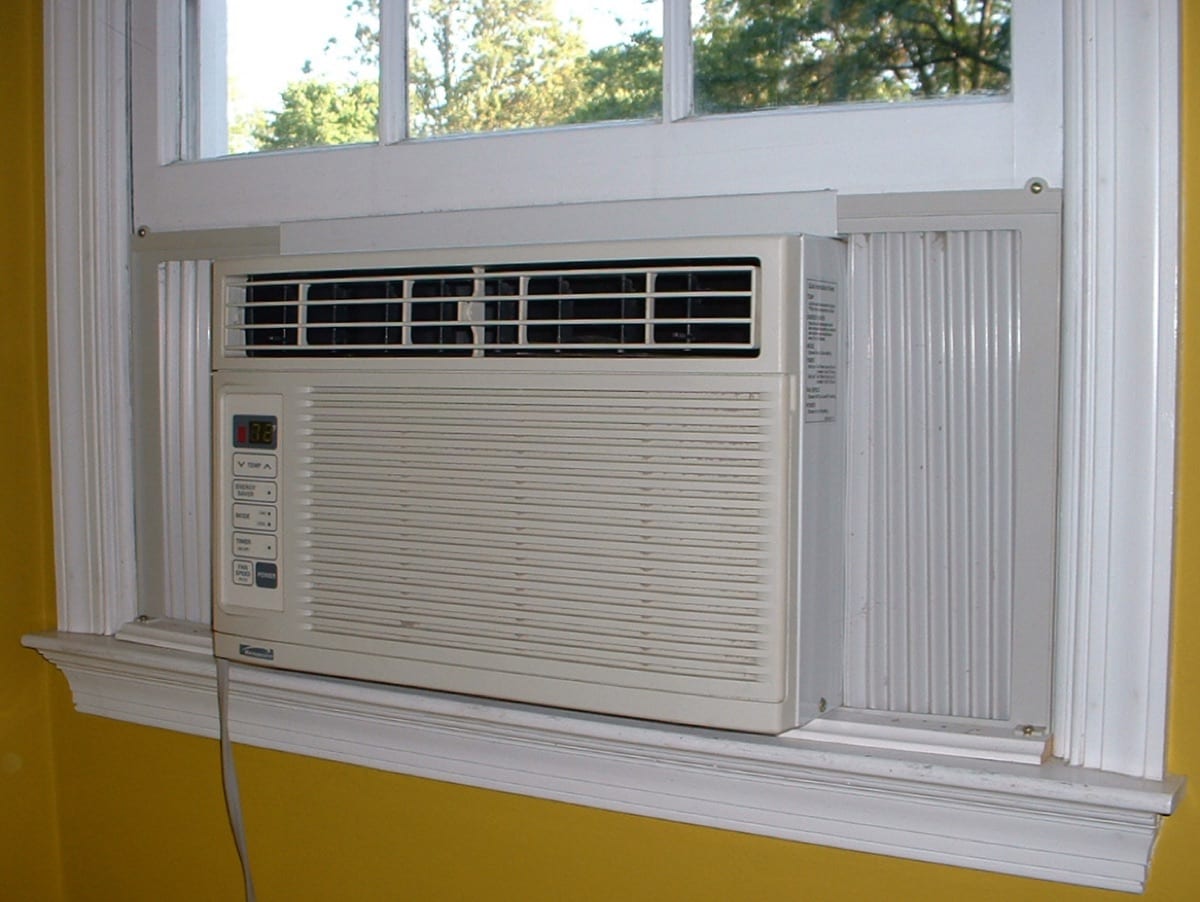 A window unit cools the room it sits in, not the floor. For one stubborn bedroom that is usually the cheaper answer. Photo by No machine-readable author provided. Stilfehler assumed (based on copy via Wikimedia Commons, Public domain, resized.
Block sun before it enters
Close blinds, curtains, or shades before the sunny side of the house heats up. West and south windows are the usual afternoon offenders. The room should feel less radiant within an hour, even if the thermostat number changes slowly.
Clear vents and doors
Open the upstairs supply vents fully and make sure beds, curtains, and rugs are not blocking them. Keep interior doors open when possible so air can return to the system. If the return path is blocked, cold air cannot keep entering the room.
Set fans for a downdraft
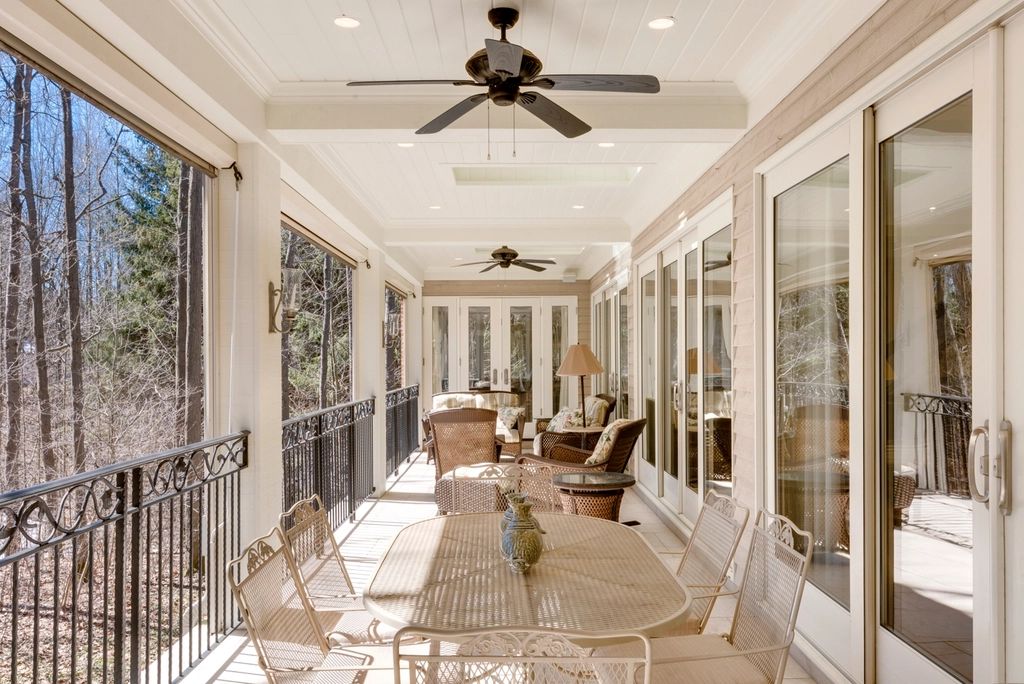
Set ceiling fans counterclockwise in summer and run them while people are upstairs. A fan will not lower the room temperature, but it can make the room feel cooler enough to sleep or work.
Check the filter and attic clue
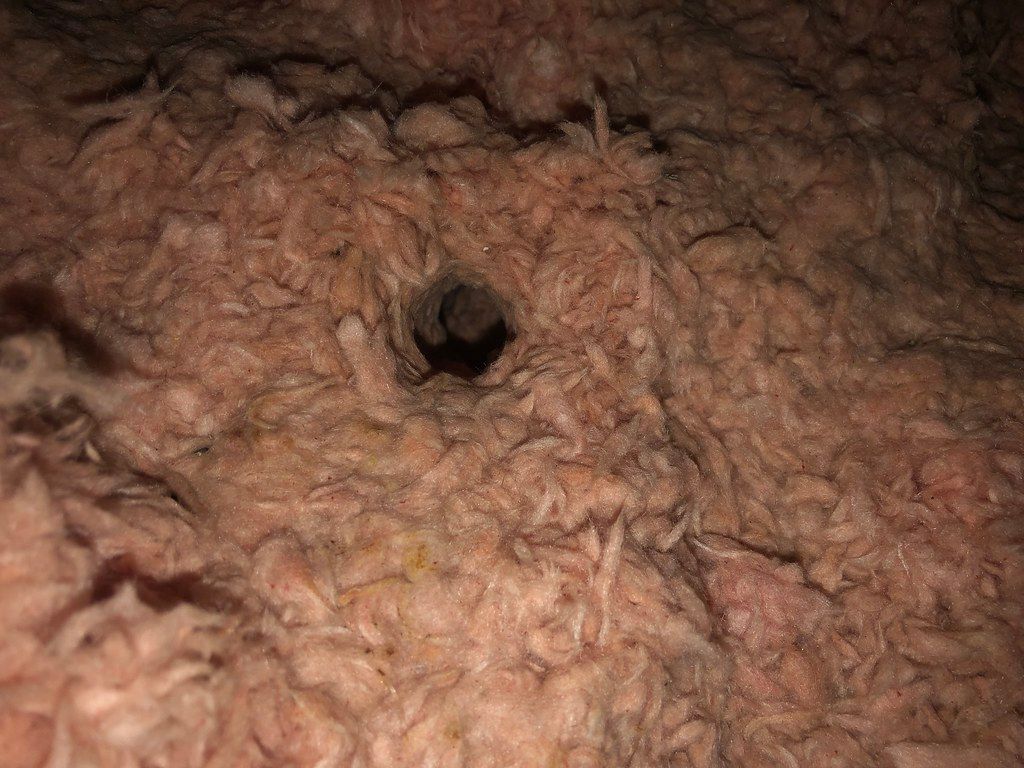
Replace a dirty HVAC filter, then look at the attic hatch or any visible insulation over the hot room. Thin, disturbed, or missing insulation lets roof heat press down into the ceiling.
Stop before duct work
If the upstairs room is still 5 degrees or more hotter, stop guessing. Duct leaks, weak returns, closed dampers, or an undersized system need testing tools. That is the point where a service visit is cheaper than buying random fans.
Time and Cost
| Fix | Time | Cost |
|---|---|---|
| Blinds, vent, door, and fan checks | 20–30 min | $0 |
| Add curtains or replace filter | 20–60 min | $8–$60 |
| HVAC balancing or duct diagnosis | 1–2 hrs | $150–$400 |
Why This Works
Upper rooms get hit from above by attic and roof heat, then from the side by sun through windows. If the HVAC return path is weak or the filter is dirty, the system cannot pull enough warm air back out. Blocking solar heat and restoring airflow reduce the load before you ask the AC to do more.
Mistakes to Avoid
- Closing most downstairs vents. That can raise duct pressure and reduce total airflow.
- Opening sunny windows during the day. If outside air is hotter than inside, you are importing heat.
- Leaving fans on all day. Fans cool people. Turn them off when no one is upstairs.
- Skipping the filter. A loaded filter can make upstairs comfort worse before the AC looks broken.
If you need one room livable tonight, pair this with cooling a room with fans. If the system itself is blowing warm air, use AC running but not cooling instead.
FAQ
Why is upstairs hotter than downstairs?
Upstairs rooms get more roof and attic heat, more sun through upper windows, and often less supply airflow than downstairs rooms. Heat rising plays a role, but solar gain, insulation gaps, and duct balance usually matter more.
How can I cool upstairs without a second AC?
Close blinds before the sun hits, open interior doors, run ceiling fans counterclockwise, replace the HVAC filter, and keep supply and return vents clear. If one room stays 5 degrees or more hotter, an HVAC pro can check duct leaks and balancing.
Should I close downstairs vents to cool upstairs?
Do not close many downstairs vents. It can raise duct pressure, reduce airflow, and make the system work harder. Closing one or two slightly may help, but a real balance problem needs duct or damper adjustment.
Related fixes
Heating & Cooling
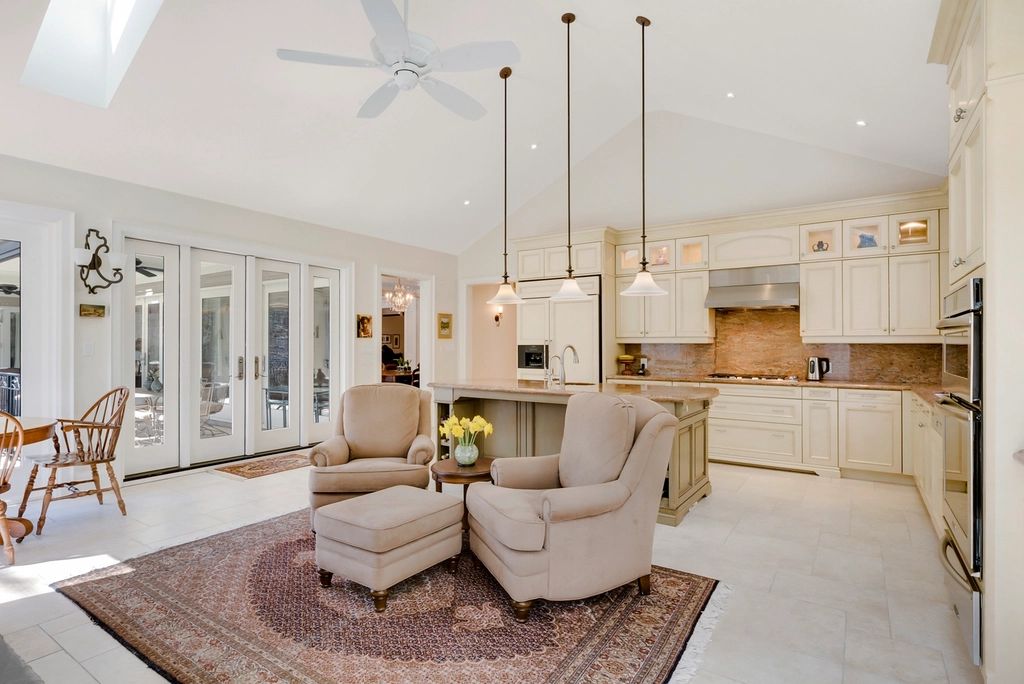
How to Cool a Room With Fans When the AC Can't Keep Up
Use fans to push hot air out, pull cooler night air in, and make one room feel 4–6 degrees cooler while your AC catches up in a summer heat wave.
Time10–20 min Cost$0–$60 easy
Heating & Cooling
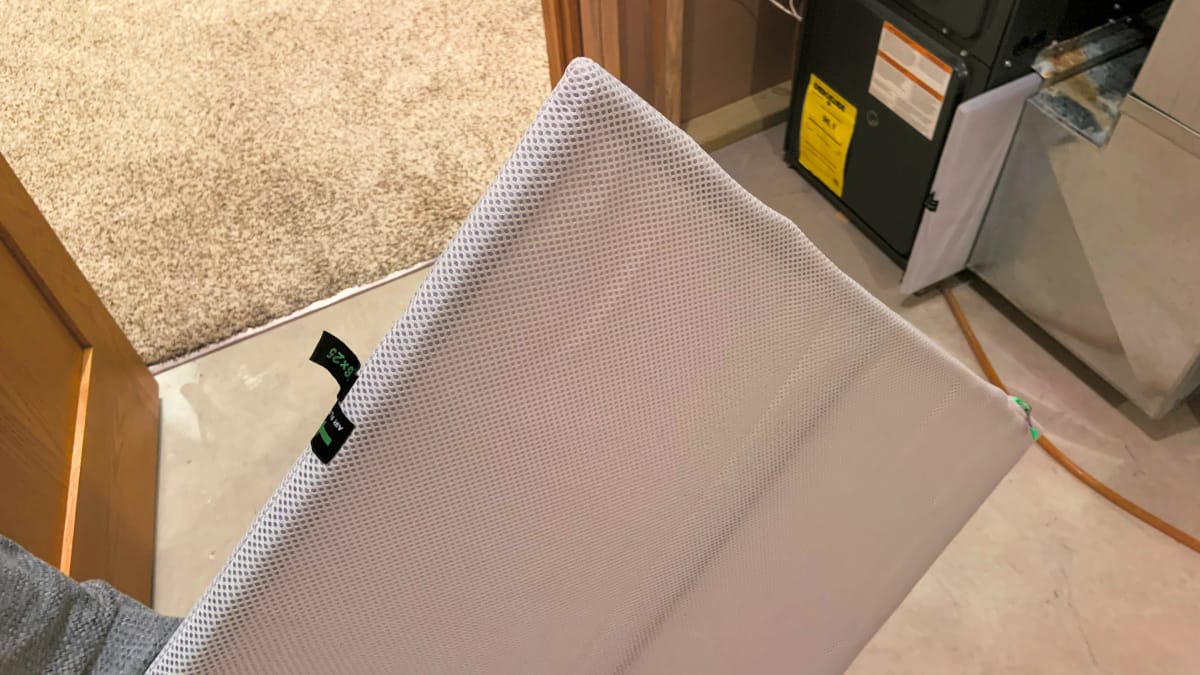
How to Replace an HVAC Filter the Right Way
A dirty HVAC filter cuts airflow and raises bills. Find the size, point the arrow toward the unit, and replace it in under 10 minutes today.
Time5–10 min Cost$8–$25 easy

Heating & Cooling
Ceiling Fan Direction in Summer: Set It in 2 Minutes
Set ceiling fan direction in summer to counterclockwise, confirm the downdraft, and run it only when people are in the room to feel cooler fast.
Time2–5 min Cost$0 easy