How to Cool a Room With Fans When the AC Can't Keep Up
If this fix touches water, gas, or power, the guide starts with the shutoff step and says when a licensed pro should take over.
Product links in this guide are affiliate links. If you buy through one, we may earn a small commission at no extra cost to you. It never changes which products we recommend.
When the AC is running nonstop or one room bakes in the afternoon sun, a fan can help fast, but only if it is moving air the right way. The goal is simple: push hot air out when outside air is cooler, block heat when outside air is hotter, and aim airflow at people instead of empty space.
Quick Answer
If you need to know how to cool a room with fans, compare indoor and outdoor temperature first. If it is cooler outside, put a fan in a window blowing out, then crack a shaded window across the room so cooler air gets pulled in. If it is hotter outside, close the windows and use a ceiling fan or portable fan to move air across your skin. This takes 10–20 minutes and costs $0–$60 depending on the fan. It is a comfort fix while you work through AC running but not cooling, not a replacement for a broken system.
What You’ll Need
- 20-inch box fan, $20–$35
- Reversible window fan, $25–$60, optional for overnight cooling
- Indoor/outdoor thermometer or a weather app
- Towel or foam strip to block gaps around a window fan
Step-by-Step
Compare inside and outside temperature
Check the room temperature and the outdoor temperature in the shade. If outside air is cooler, you can use fans to exchange air. If outside air is hotter, keep the windows closed and skip straight to spot cooling.
Exhaust the hottest air
Put a box fan or window fan in the hottest window blowing out. A window on the sunny side, upper floor, or end of a hallway often works best because hot air pools there. Close gaps around the fan with a towel so it pulls from the room instead of short-cycling air around the fan frame.
Open a shaded intake
Open one window or door on the shaded side of the room or house by 2–6 inches. You should feel air moving from the shaded opening toward the exhaust fan. If the intake is too wide, airflow gets lazy. A smaller opening usually creates a stronger pull.
Set ceiling fans for summer
Set the ceiling fan to counterclockwise when viewed from below so it pushes air down. Run it on medium or high only while people are in the room. If you are not sure which way it is spinning, use the quick ceiling fan direction in summer check. A ceiling fan makes skin feel cooler, but it does not lower the actual room temperature.
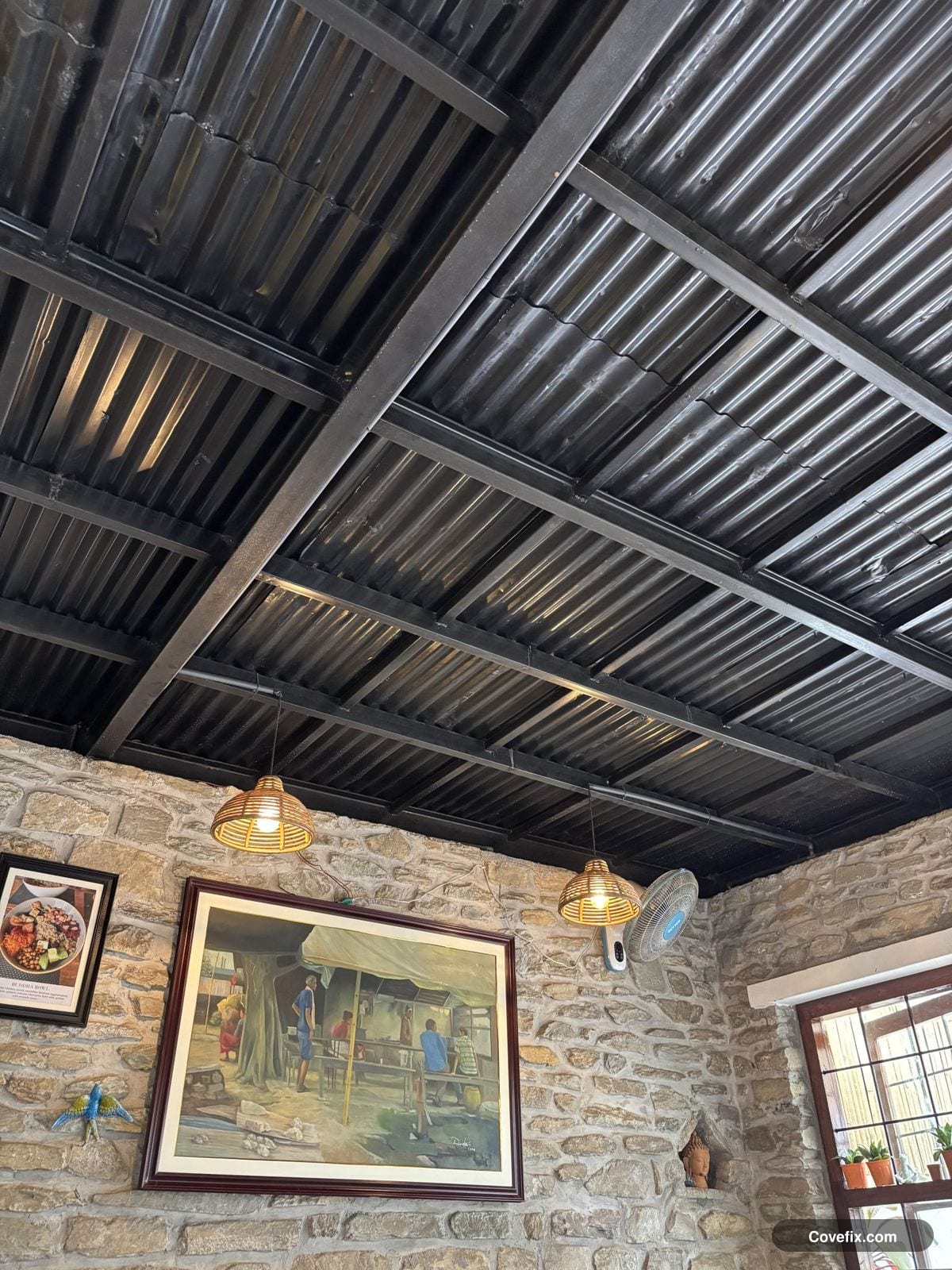 Fans help most when they move air across people or push trapped hot air out of the room.
Spot-cool the seat, bed, or desk
Aim a portable fan across your body, not at the ceiling. For a short boost, place frozen water bottles or a shallow tray of ice in front of the fan, but keep water below the fan motor and away from cords. Stop if condensation or splashing can reach the plug.
Close it before the sun heats up
In the morning, close windows and blinds before outdoor air gets hotter than indoor air. That traps the cooler overnight air inside longer. If one room still heats up fast, check for air leaks in fixing a drafty door and make sure the HVAC system has a clean filter.
Time and Cost
| Fix | Time | Cost |
|---|---|---|
| Reposition fans you already own | 10–20 min | $0 |
| Add a box fan or reversible window fan | 10–20 min | $20–$60 |
| HVAC service call if the AC cannot keep up | 1–3 hrs | $150–$450 |
Why This Works
Fans do not make hot air colder by themselves. They help in two ways: they move cooler air into the room when the outdoor temperature drops, and they make sweat evaporate faster so your body sheds heat. Once outdoor air is hotter than indoor air, pulling that air inside works against you. At that point, close the windows, use the fan for direct airflow, and check whether replacing the HVAC filter can restore cooling airflow.
Mistakes to Avoid
- Pulling hot afternoon air inside. If it is hotter outside than inside, close the window and use the fan on people instead.
- Pointing every fan inward. One exhaust fan and one shaded intake usually move air better than two fans fighting each other.
- Putting ice where water can reach electricity. Keep bowls, bottles, and condensation away from the fan motor, cord, and plug.
- Leaving a window fan in rain. Most portable fans are not weatherproof. Pull it back inside before storms or heavy overnight humidity.
- Cooling an empty room. A ceiling fan only helps people feel cooler. Turn it off when the room is empty.
If the fan trick helps but the AC still runs all day, start with the quick checks in AC running but not cooling before you book a service call. If the problem is mostly upstairs, why upstairs is so hot covers the heat traps fans alone cannot fix.
FAQ
Where should I put a fan to cool a room?
Put one fan in or near a window blowing out when the room is hotter than outside, then open a shaded window or door across the room so cooler air can replace it. If it is hotter outside than inside, close the windows and aim the fan across your body instead of pulling outdoor heat in.
Does putting ice in front of a fan really work?
It can cool the air right in front of the fan for a short time, but it will not cool a whole room for long. Use a shallow tray or frozen bottles, keep water away from the motor and cords, and treat it as a spot-cooling trick, not an AC replacement.
Should a ceiling fan run clockwise or counterclockwise in summer?
In summer, most ceiling fans should run counterclockwise when viewed from below so they push air down and create a wind-chill effect. If you do not feel air under the fan, flip the direction switch on the fan body or remote.
Related fixes
Heating & Cooling
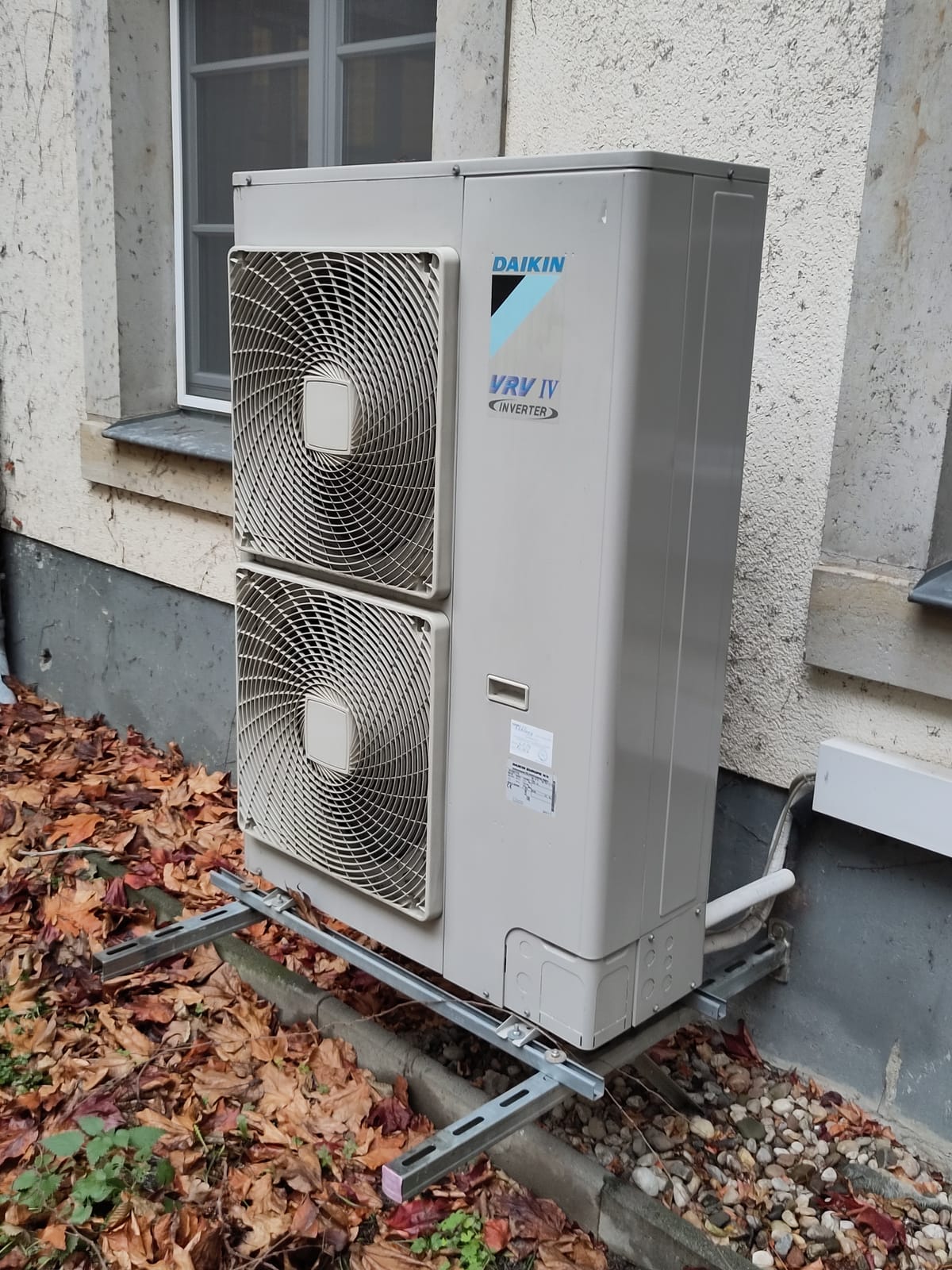
AC Running but Not Cooling? Check These First
If your AC runs but blows warm air on a hot day, check the thermostat, filter, breaker, ice, and outdoor condenser before calling HVAC service.
Time30–60 min Cost$0–$25 moderate
Heating & Cooling
Why Is Upstairs So Hot? Fix the Heat Traps First
An upstairs room gets hot from roof heat, sun, weak airflow, and attic leaks. Block heat, move air, and know when HVAC balancing is worth it.
Time20–60 min Cost$0–$60 easy
Heating & Cooling
Ceiling Fan Direction in Summer: Set It in 2 Minutes
Set ceiling fan direction in summer to counterclockwise, confirm the downdraft, and run it only when people are in the room to feel cooler fast.
Time2–5 min Cost$0 easy