How to Flush a Water Heater in 1 Hour and Save Energy
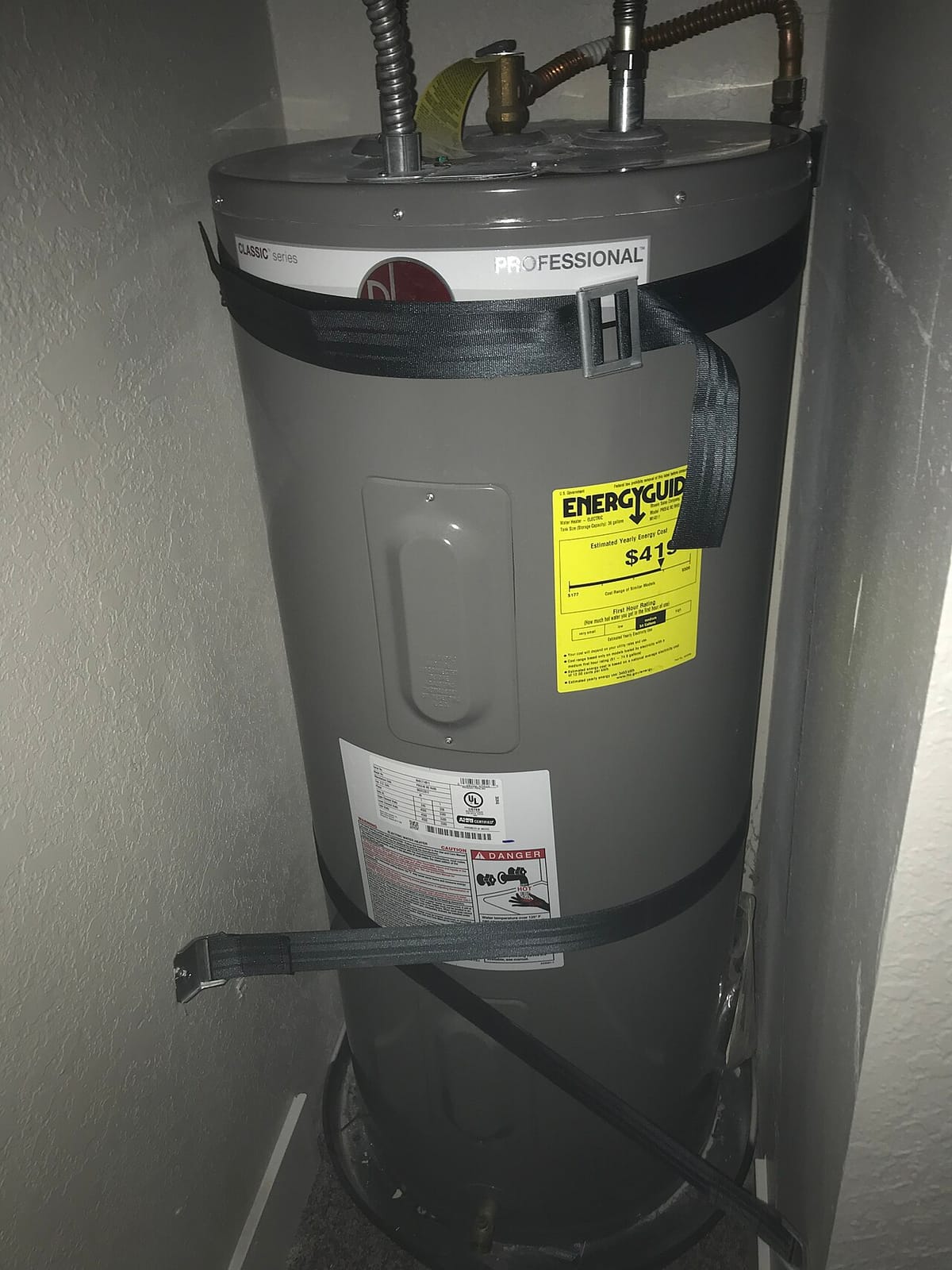
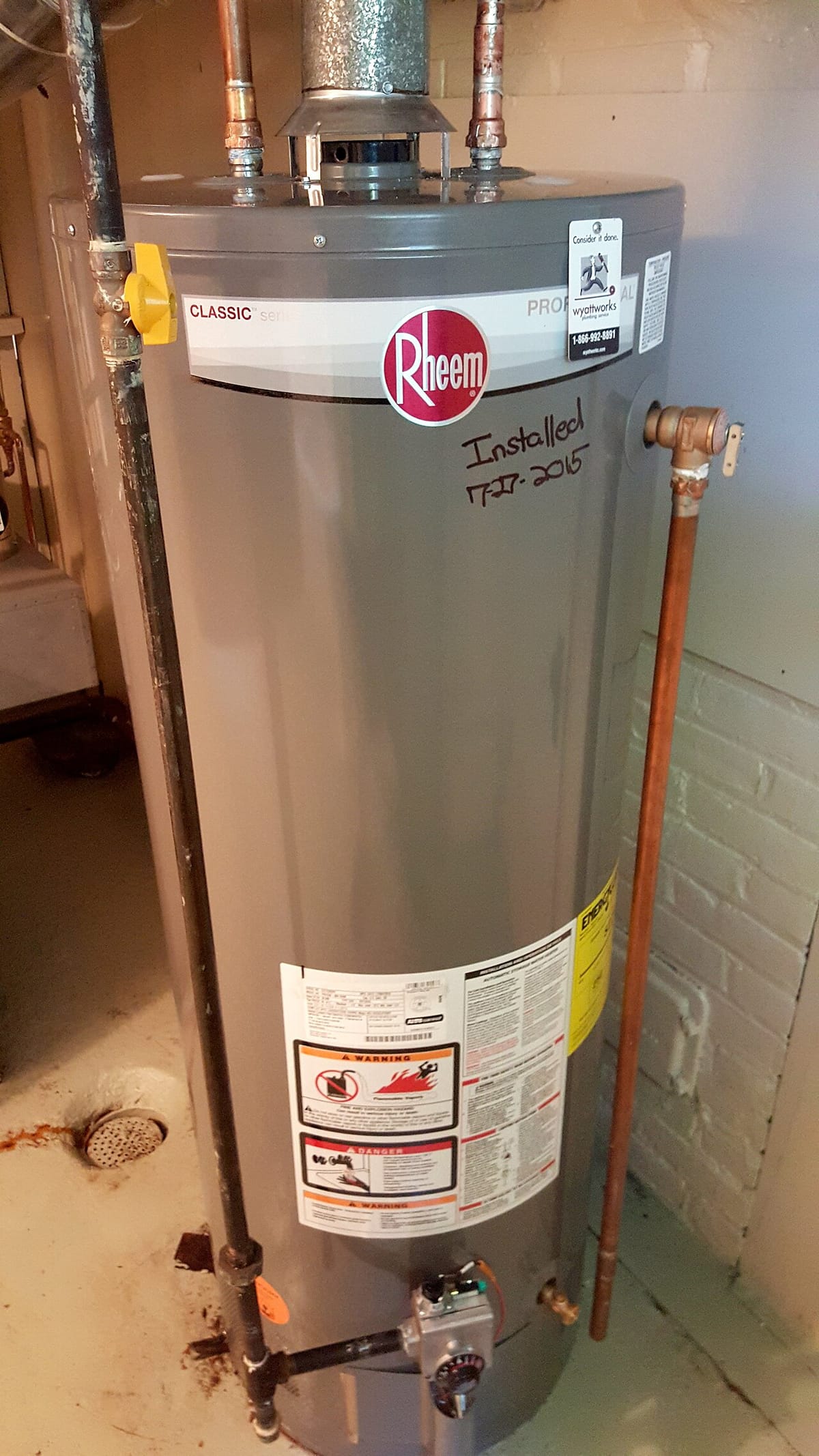
Cover photo by Steven Pavlov via Wikimedia Commons, CC BY-SA 4.0, resized.
If this fix touches water, gas, or power, the guide starts with the shutoff step and says when a licensed pro should take over.
Product links in this guide are affiliate links. If you buy through one, we may earn a small commission at no extra cost to you. It never changes which products we recommend.
If your water heater sounds like popcorn when it heats, or the hot water runs out faster than it used to, the tank is probably carrying a bed of sediment at the bottom. The fix is a flush. It takes about an hour, a garden hose, and no special tools, and it’s the single best maintenance job you can do on a tank-style water heater.
Quick Answer
Here’s how to flush a water heater: turn off the power (breaker for electric, gas control to pilot for gas) and close the cold water inlet valve on top of the tank. Let the water cool for a couple of hours, attach a garden hose to the drain valve at the bottom, run it to a floor drain or outdoors, open a hot faucet in the house, and open the drain valve. After the tank empties, open the cold inlet briefly to stir up leftover sediment until the water runs clear, then close the drain, refill the tank with the hot faucet open, and only then restore power. It takes 60 to 90 minutes and costs under $25 for a hose. Stop and call a plumber if the drain valve is plastic and won’t turn, or if the tank leaks after you disturb it.
What You’ll Need
- A garden hose long enough to reach a floor drain or the yard
- A 5-gallon bucket, if you have no drain
- A flathead screwdriver or an adjustable wrench for the drain valve
- A full-port brass drain valve, $8–$15, to replace a clogged or plastic valve
- A garden hose washing machine style adapter, $5–$8, only if the hose won’t thread on
- Work gloves and old towels
Step-by-Step
Shut off the power or gas
For an electric heater, turn off the dedicated breaker, then confirm the power is off by checking that the thermostat access panel is dead. For a gas heater, turn the gas control knob to “pilot” or “off.” This matters because the heating elements in an electric tank burn out in minutes if the tank empties while they’re powered. The same step covers a gas burner firing against an empty tank.
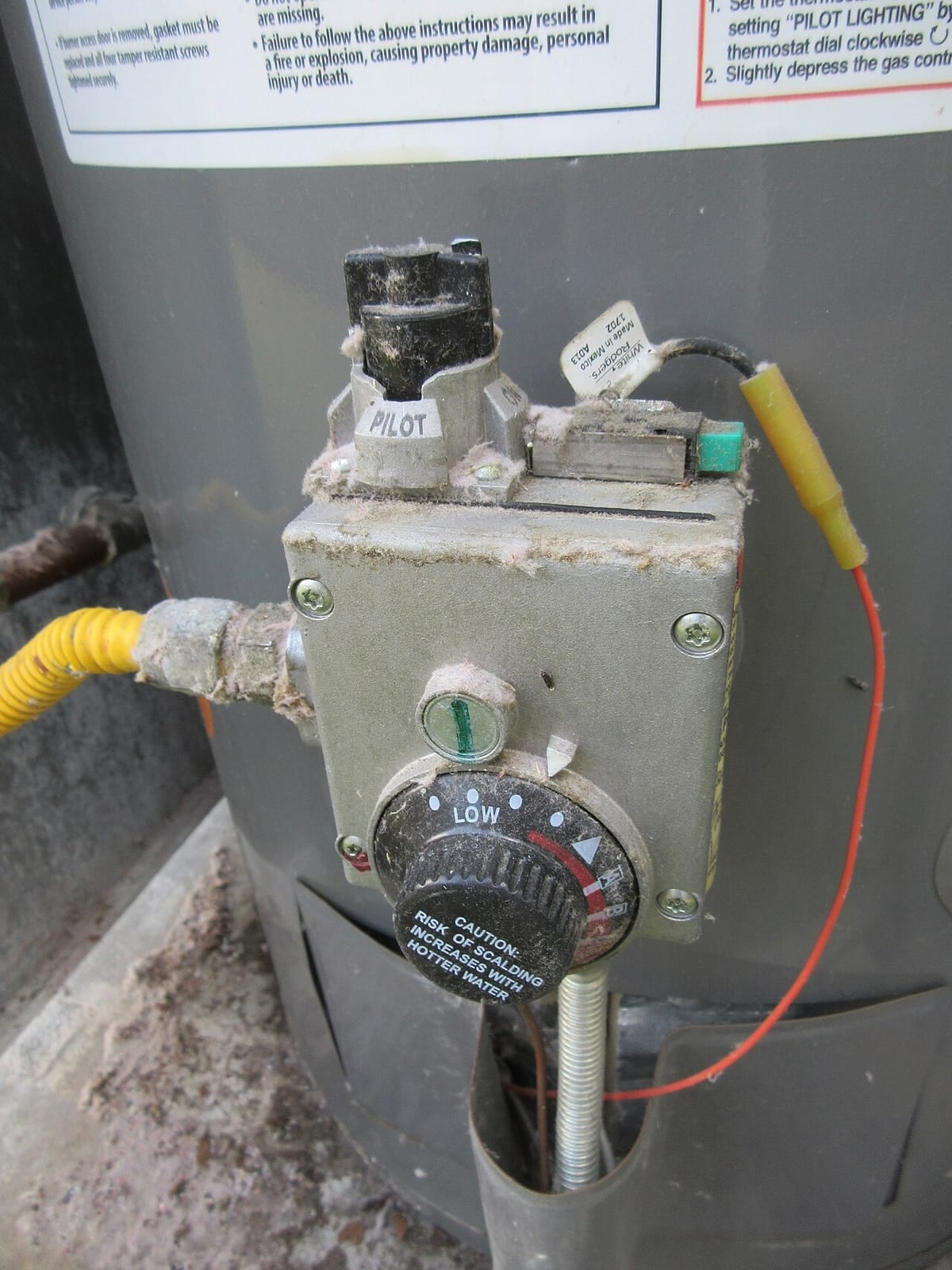 The gas control valve. Turn the knob to pilot or off before you drain, so the burner cannot fire against an empty tank. Photo by Infrogmation of New Orleans via Wikimedia Commons, CC BY-SA 4.0, resized.
Close the cold water inlet
Find the cold water supply pipe on top of the tank, usually on the right, and close its shutoff valve. If the valve leaks or won’t turn, shut off the whole house’s main water instead. The tank holds 40 to 50 gallons, so closing the inlet stops fresh water from refilling it as you drain.
Let the water cool, then attach the hose
Water in the tank can scald. Wait two to three hours if the heater was recently on, or run a hot faucet for 10 minutes to pull hot water out. Then thread the hose onto the drain valve at the base of the tank and run it to a floor drain, a utility sink, or the yard. Keep the end below the level of the valve so it siphons.
Open a hot faucet and drain the tank
Open a hot tap anywhere in the house, which lets air in so the tank can drain. Then open the drain valve. Water will run out, probably warm, and likely cloudy or gritty at first. A tank takes 15 to 30 minutes to empty. If the flow stops with water still in the tank, the drain valve is clogged with sediment. Tap the valve gently, close the hose, and try a bucket. If the valve is plastic, replace it with a brass one.
Stir up the last of the sediment
When the tank is empty, open the cold inlet for 30 seconds, then close it. The jet of water churns the sediment at the bottom. Drain it out. Repeat until the water coming out is clear. This is the step most people skip, and it’s what removes the sediment the first drain left behind. A calcium-heavy tank may need five or six cycles.
Refill, bleed the air, and restore power
Close the drain valve, remove the hose, and open the cold inlet. Leave the hot faucet open. Water will sputter and spit as the tank fills, and when it runs steady and full, the tank is full. Turn the hot faucet off, check the drain valve for drips, and only then switch the power on or relight the pilot. Wait an hour for hot water. On a gas heater, follow the lighting instructions on the tank label.
Time and Cost
| Fix | Time | Cost |
|---|---|---|
| Flush a tank water heater | 60–90 min | $0–$25 |
| Replace a plastic drain valve with brass | 30 min | $8–$15 |
| Plumber flushes a water heater | — | $100–$200 |
| New tank installed | — | $1,200–$2,500 |
Why This Works
Hard water carries dissolved calcium and magnesium. Heat drives them out of the water, and they settle at the bottom of the tank as a hard, gray sediment. That layer sits between the burner or element and the water, so the heat has to push through it, which wastes energy, slows heating, and overheats the tank bottom. Trapped water beneath the layer boils and bursts through, which is the popping you hear. Flushing removes the loose sediment before it hardens into a crust. An anode rod inside the tank corrodes on purpose to protect the steel, and checking it during a flush is the other big life-extender.
Mistakes to Avoid
- Draining the tank with the power on. Electric elements burn out within minutes in air. Shut off the breaker before you open anything.
- Skipping the hot faucet. Without air coming in, the tank drains slowly or not at all, and the flush stalls with sediment still inside.
- Forcing a stuck drain valve. Plastic valves crack, and a cracked valve on a full tank is a flood. If it won’t turn, stop and swap the valve or call a pro.
- Flushing a very old tank and expecting a miracle. If the tank is past 10 to 12 years, a flush may loosen a leak. Budget for a replacement and check the no hot water guide for the other common failures.
Hot water that is weak rather than cold may also be a pressure problem at the fixtures, not the tank.
FAQ
How often should you flush a water heater?
Once a year for most homes, and twice a year if you have hard water. Sediment builds faster in areas with high mineral content. If you've never flushed yours and it's more than three years old, the first flush may bring out a lot of grit, and that's normal.
Why is my water heater making a popping or rumbling noise?
Sediment collects at the bottom of the tank, traps water beneath it, and that water boils and bursts through the layer, causing popping. It's a sign the sediment is thick enough to insulate the burner or element from the water. A flush usually quiets it, though a heavily caked tank may stay noisy.
Can flushing a water heater damage it?
On an old tank, sometimes. A tank over 10 to 12 years old may start leaking at a corroded seam or at the drain valve after being disturbed, so be ready for a replacement. A plastic drain valve can also crack when opened. A tank in good shape is not harmed by a flush.
Do I need to turn off the water heater before flushing?
Yes, always. Turn off the breaker for an electric heater, or turn the gas control to pilot or off. Electric heating elements burn out in minutes if the tank empties while they're powered. Wait for the water to cool, since the draining water is hot enough to scald.
Related fixes
Bathroom
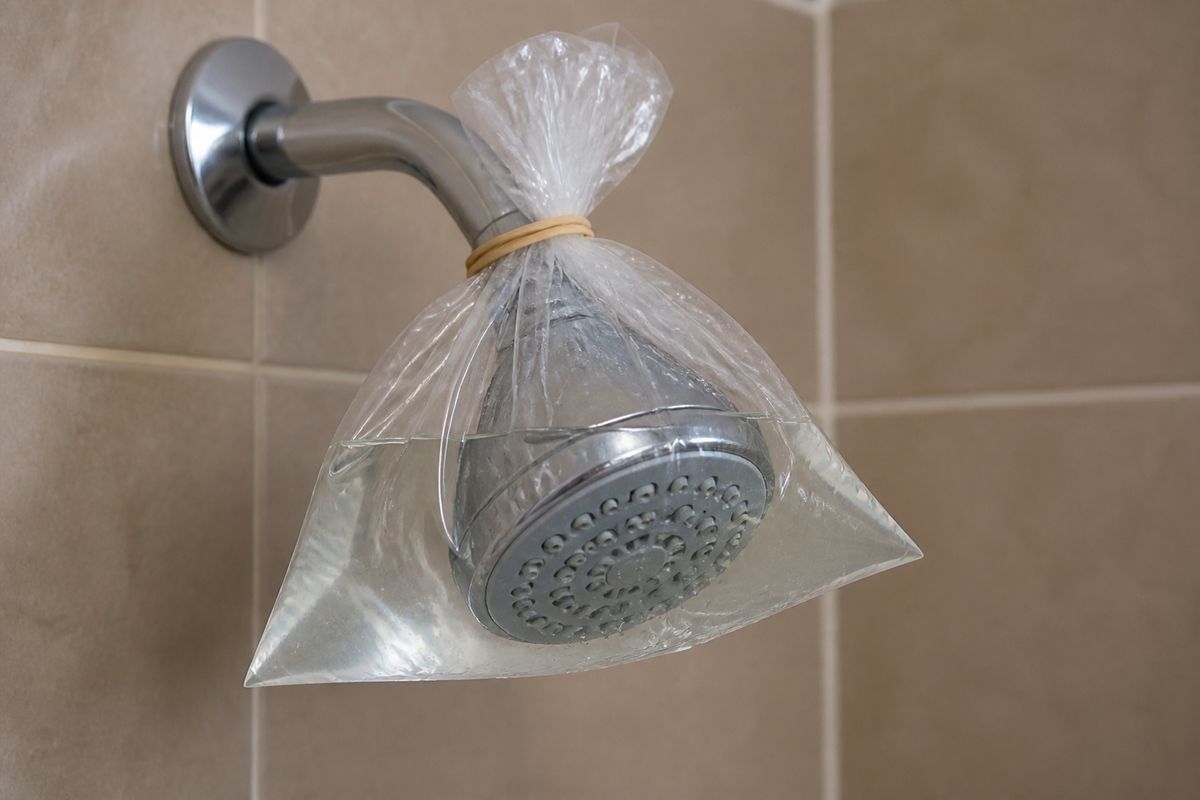
How to Clean a Shower Head With Vinegar
Clean a clogged shower head with vinegar in 90 minutes. Bag soak it, scrub nozzles, rinse the inlet screen, and restore spray without replacing parts.
Time10 min active + 1–2 hr soak Cost$2–$5 easy
Bathroom
Low Shower Water Pressure? Fix It in One Evening
Weak shower pressure is usually a mineral-clogged head, not your pipes. Soak it in vinegar, check the inlet screen, and know when it's something bigger.
Time20 min active + 1–2 hr soak Cost$2–$25 moderate


Heating & Cooling
No Hot Water? Start With the Reset Button or the Pilot
Electric heaters have a hidden red reset button behind the access panel. Gas heaters have a pilot. Both explain most sudden losses of hot water.
Time20–60 min Cost$0–$45 moderate