Toilet Flushes Weakly? 5 Fixes Before You Replace It
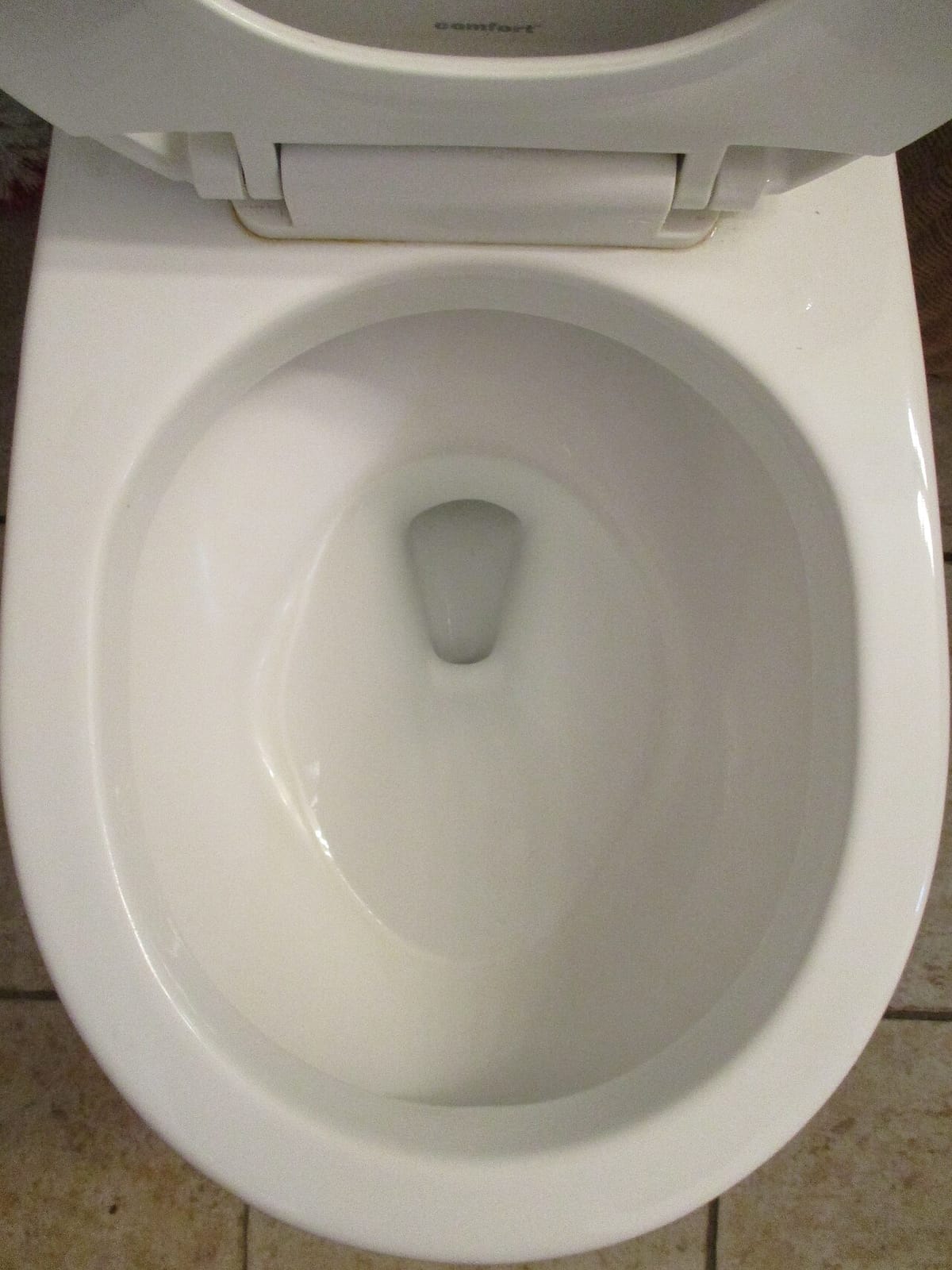
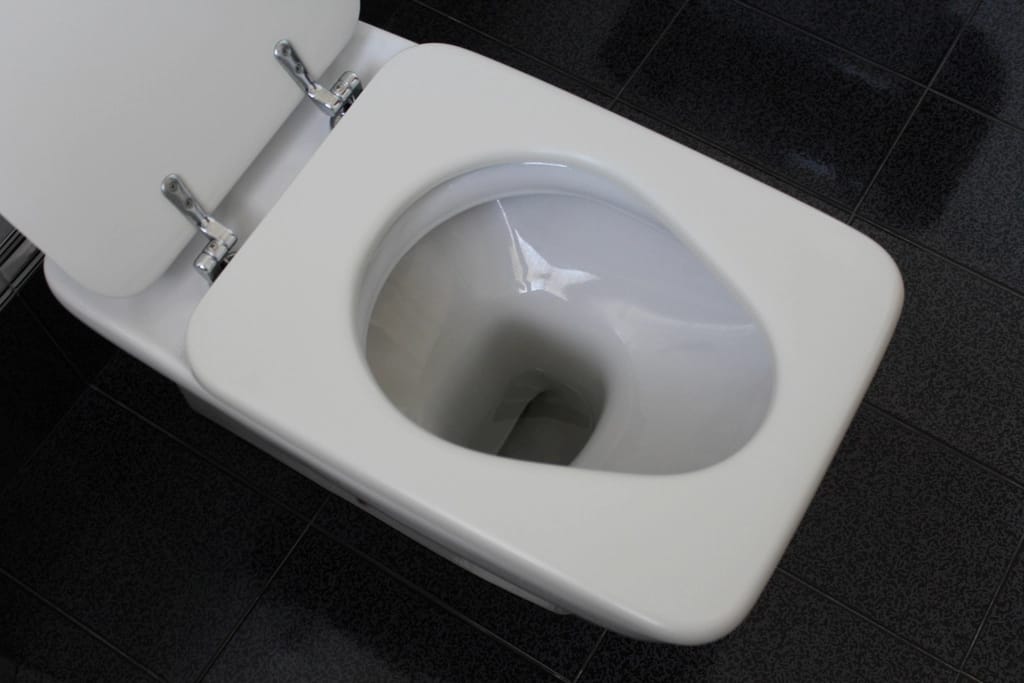
Cover photo by Bodhi Peace via Wikimedia Commons, CC BY-SA 4.0, resized.
If this fix touches water, gas, or power, the guide starts with the shutoff step and says when a licensed pro should take over.
Product links in this guide are affiliate links. If you buy through one, we may earn a small commission at no extra cost to you. It never changes which products we recommend.
The handle goes down, the water swirls, and half of what should leave stays behind. A weak flush is one of the most common toilet complaints, and it’s rarely a sign the toilet needs replacing. Most of the time one of five cheap things has drifted out of adjustment, and a two-minute test points straight at which.
Quick Answer
If your toilet flushes weakly, do the bucket test first: pour a gallon of water quickly into the bowl. If the bowl empties with a strong whoosh, the tank isn’t delivering enough water, so raise the water level to one inch below the overflow tube and check the flapper chain has half an inch of slack. If the bowl drains slowly or gurgles, the problem is downstream: scrub the clogged rim jets with vinegar and a wire, then plunge, then check the vent. Most fixes take 20 to 60 minutes and cost nothing. Persistent gurgling in other drains, or water backing up in a tub, points to the main line or vent, which is a plumber’s job.
What You’ll Need
- A 1-gallon jug or bucket for the flow test
- White vinegar, about a cup
- A small mirror and a stiff wire or straightened coat hanger
- A flange plunger, $8–$15, for a partial clog
- A new flapper, $5–$12, if the old one is warped
- Rubber gloves
Step-by-Step
Run the bucket test
Pour a full gallon of water into the bowl in one quick motion, straight from waist height. A healthy toilet empties with a firm swirl and refills cleanly. If it does, the drain and trap are fine and the problem is the tank: not enough water, or it leaves too soon. If the bowl rises, drains slowly, or burps, the problem is a clog or a restriction downstream. This one test saves hours of guessing.
Set the water level in the tank
Lift the tank lid. Water should sit about an inch below the top of the overflow tube, or at the waterline marked inside the tank. A low level means less water per flush. Adjust the float: turn the screw on top of the fill valve clockwise to raise it, or slide the clip up on a cup-style float. Flush, wait for the tank to fill, and look again. Aim for the fill line, no higher, or water will drain down the tube and the toilet will run.
Check the flapper and chain
Watch the flapper as you flush. If it drops and seals early, the tank empties only partway and the bowl gets a weak push. The usual cause is a chain with too much slack, which lets the flapper fall too soon, or a worn flapper that floats. Set the chain with half an inch of slack, no more. A flapper older than about 4 years that’s soft, warped, or slimy should be replaced with a new one, $5 to $12, as in replacing a toilet flapper.
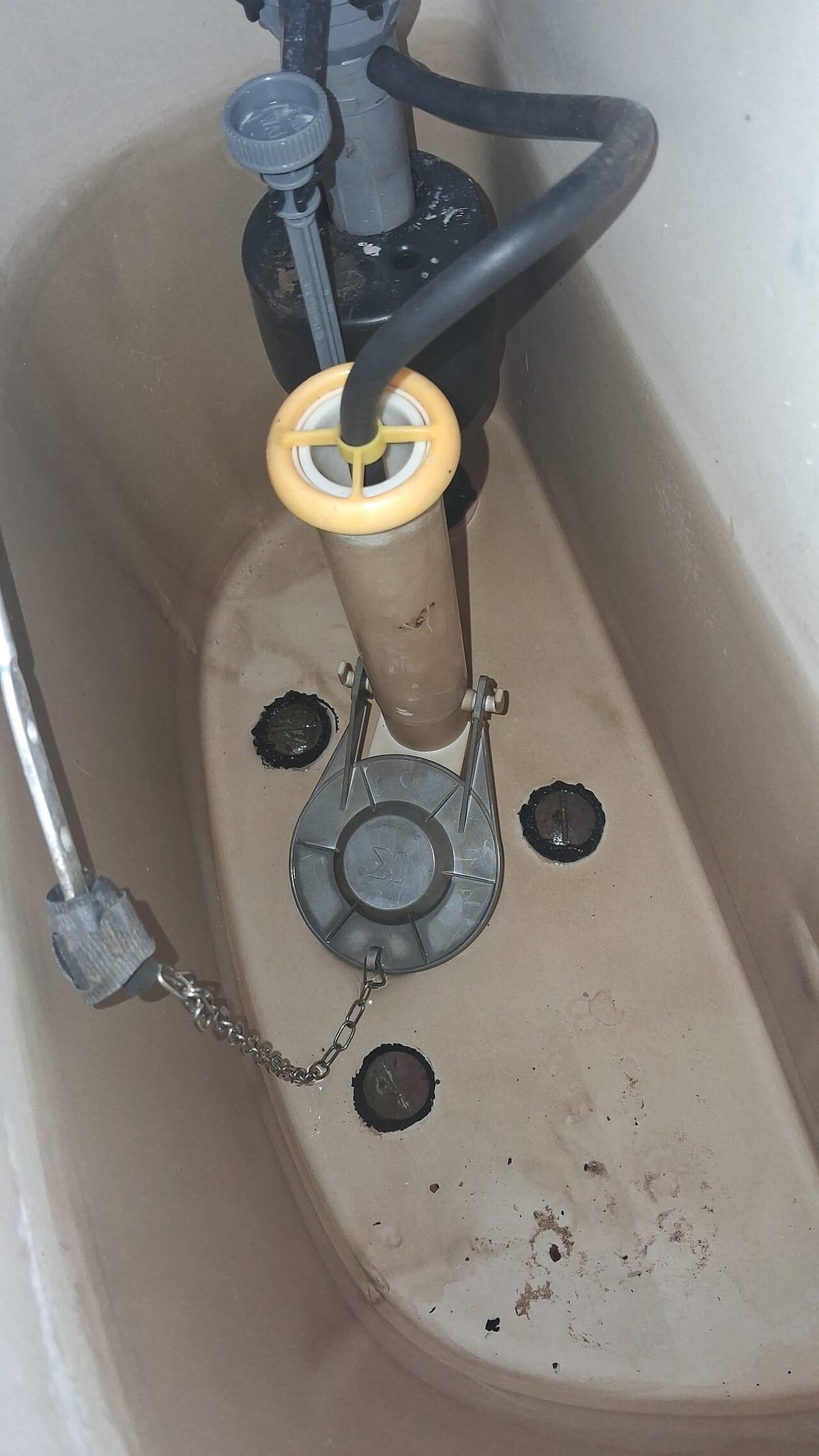 Inside the tank: the flush valve and overflow tube, with the flapper chain attached. The chain should have about half an inch of slack. Photo by Ranch9613 via Wikimedia Commons, CC0, resized.
Clean the rim jets
Under the rim of the bowl are small holes that feed water around the bowl as it flushes. Hard water scale clogs them over the years, so less water enters and the flush loses force. Pour a cup of vinegar down the overflow tube and wait an hour. Then use the mirror to find the holes, and poke each one with a wire until the scale breaks loose. Flush three times to rinse.
Plunge, then check the vent
If the bucket test showed a slow drain, work a flange plunger firmly for 20 strokes. A partial clog from too much paper shifts, and the bowl drains with a gulp. Still slow? A toilet that gurgles, or other drains that bubble when it flushes, has a vent or main-line problem. Leaves and nests clog roof vents, and ice can in winter. That one is a plumber, or a careful look from the roof. The full unclogging guide covers the plunging technique.
Time and Cost
| Fix | Time | Cost |
|---|---|---|
| Raise the tank water level | 5 min | $0 |
| Adjust chain or replace flapper | 10–20 min | $0–$12 |
| Clean the rim jets | 60 min soak + 10 min | $2 |
| Plumber clears a vent or main line | — | $150–$400 |
Why This Works
A toilet flushes by siphon. The tank dumps a fixed volume of water into the bowl in a few seconds, faster than the drain can carry it away. That sudden rise pushes water into the curved trap, which fills the passage and pulls the contents through. A low water level, an early-closing flapper, or half-blocked rim jets each reduce that volume or the speed at which it arrives, and the siphon never fully starts. A partial clog or a blocked vent attacks the other end, since the drain can’t clear or air can’t enter behind the water. The bucket test splits the two groups cleanly.
Mistakes to Avoid
- Raising the water above the overflow tube. More water doesn’t mean a better flush. It spills into the tube and the toilet runs. Stop at the fill line.
- Pouring chemical drain cleaner into a toilet. It rarely reaches a clog, and it can damage the finish and hurt you if you plunge afterward. A plunger or a closet auger is safer.
- Using a bleach tablet in the tank. Tank tablets eat flappers and fill valves within months, which creates the next weak-flush problem.
- Assuming the toilet is too old. A 1.6-gallon toilet from the 1990s flushes fine when its jets are clean and its tank is set right. Replace one only after these checks fail.
If the toilet also runs on and on afterward, see fixing a running toilet. A fill valve that hisses or refills late is its own fix: replace the fill valve.
FAQ
Why does my toilet flush slowly and weakly?
Either the tank isn't delivering enough water, or the bowl's rim jets and drain can't pass it fast enough. Low tank water, a flapper that closes too early, and mineral-clogged rim holes cause most weak flushes. A partial clog in the trap or the vent is the next suspect, and usually comes with gurgling from other drains.
How do I fix a toilet that needs two flushes?
Start with the tank. Water should sit about an inch below the top of the overflow tube. If it's lower, raise it with the float adjustment. Then clean the rim jets with a wire and vinegar, and check the flapper chain has half an inch of slack. These three fixes clear up most two-flush toilets.
How do I clean the rim jets on a toilet?
Pour a cup of white vinegar into the overflow tube, let it sit for an hour, then use a small mirror and a stiff wire or a straightened coat hanger to poke each hole under the rim. Mineral deposits blocking the holes slow the water entering the bowl. Flush a few times to rinse out the loosened scale.
Could a clogged vent make my toilet flush weakly?
Yes. The plumbing vent lets air in behind the water so it can drop. A blocked vent, from a bird nest, leaves, or ice, makes the toilet flush slowly and gurgle, and may pull water from other traps. If your other drains gurgle too, the vent or main line is the problem, and that's a plumber's job.
Related fixes
Bathroom
Toilet Flapper Replacement: Get the Right Size the First Time
Most toilets take a 2-inch flapper, while newer high-efficiency models need 3-inch. Tell which yours needs and install it in 10 minutes flat.
Time10 min Cost$5–$15 easy
Bathroom
How to Replace a Toilet Fill Valve in 30 Minutes
A bad toilet fill valve hisses, refills slowly, or will not hold the water level. Shut off the supply, swap the valve, set the height, and test it.
Time30 min Cost$12–$20 moderate


Bathroom
How to Unclog a Toilet Fast, With or Without a Plunger
Most clogged toilets clear with a flange plunger in five minutes. No plunger? Dish soap and hot water can do it while you wait in another room.
Time5–30 min Cost$0–$25 easy