How to Clean a Dryer Vent Yourself in 1 Hour
If this fix touches water, gas, or power, the guide starts with the shutoff step and says when a licensed pro should take over.
Product links in this guide are affiliate links. If you buy through one, we may earn a small commission at no extra cost to you. It never changes which products we recommend.
The dryer finishes, and the jeans are still damp. You run it again. That second cycle is a warning: the lint screen isn’t the only place lint collects. It also builds up in the duct behind the dryer, where it blocks airflow, bakes the clothes, and turns the vent into a fire hazard. Cleaning it is an hour’s job, and it’s worth doing every fall.
Quick Answer
Here’s how to clean a dryer vent: unplug the dryer (and close the gas valve on a gas model), pull it away from the wall, and disconnect the duct from the back of the dryer and from the wall. Vacuum the dryer’s outlet, then run a dryer vent brush with flexible rods through the duct from both ends, spinning it with a drill to loosen packed lint. Clear the outside vent hood, replace any white vinyl or foil accordion duct with rigid or semi-rigid metal, and reconnect with clamps, not screws. It takes 45 to 90 minutes and costs $15 to $35 for a brush kit. If the duct runs through the roof or a wall you can’t reach, call a professional.
What You’ll Need
- A dryer vent cleaning brush kit, $15–$25, with flexible rods that attach to a drill
- A vacuum with a hose and crevice tool
- A semi-rigid aluminum duct, $12–$20, if the old duct is vinyl or foil
- Metal duct clamps and foil duct tape
- A screwdriver or nut driver, and work gloves
- A flashlight and a dust mask
Step-by-Step
Unplug the dryer and pull it out
Unplug the dryer. On a gas model, close the gas valve and don’t disturb the gas line. Slide the dryer out slowly so you don’t kink the gas hose or cord. Move it just far enough to reach behind it. This is also a good moment to vacuum behind and under it, since the area collects lint. Level the dryer’s feet when you slide it back, a step covered in fixing a washer that shakes.
Disconnect the duct and vacuum the outlet
Loosen the clamp at the back of the dryer and pull the duct off, then the clamp at the wall. Vacuum the dryer’s outlet port, which is often packed, and the duct end at the wall. Check the duct itself. White vinyl or thin foil accordion duct sags, traps lint, and burns. Code in most places requires rigid or semi-rigid metal. If yours is vinyl, replace it as you reassemble.
Brush the duct from both ends
Attach the brush head to a flexible rod and a drill, and feed it into the duct, spinning forward (clockwise), adding rods as you go. Pull it back out, and the lint comes with it. Work from the dryer side, then from the outside hood. Expect a surprising amount, sometimes a bag of lint. Vacuum up what falls out. A long duct needs several rods, and a run with many bends gets less clean, which is why shorter and straighter is better.
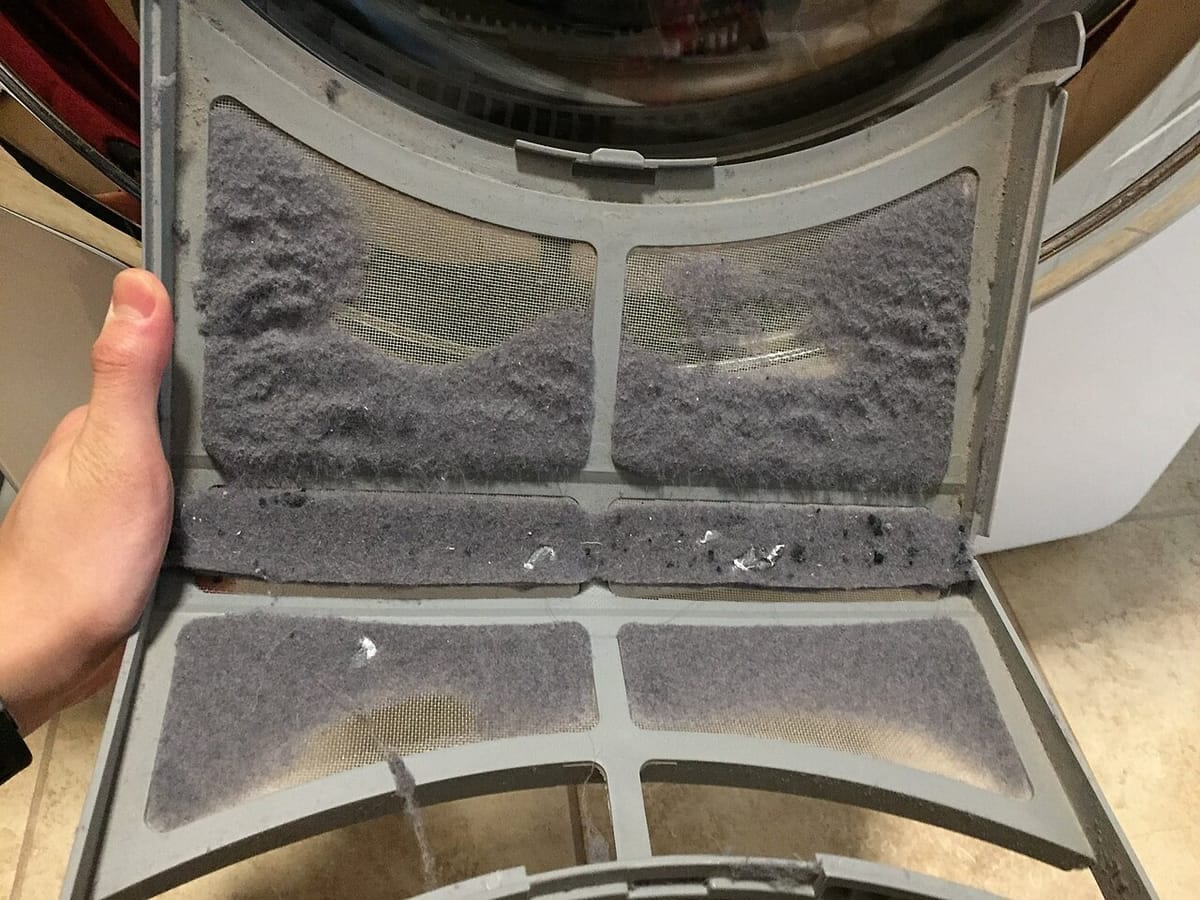 A lint trap packed with lint. Whatever slips past this screen ends up in the duct. Photo by Atomicdragon136 via Wikimedia Commons, CC BY 3.0, resized.
Clear the outside hood
Go outside and find the vent hood. Pull out any lint, nests, and debris, and make sure the flap opens freely and closes on its own. A flap stuck partly shut is a blockage by itself. A hood with a screen or mesh over it clogs with lint and should be replaced with a louvered flap type. Check that the hood sits tight to the wall, and caulk the gap.
Reconnect and test the airflow
Fit the new duct (shorter is better, and gentle bends), clamp both ends, and seal seams with foil tape, not cloth duct tape. Push the dryer back without crushing the duct. Run it on air-only for a minute, and hold your hand at the outside hood: you should feel a strong, steady flow. Then run a normal load and time it. A load that dried in one cycle after taking two is the best proof the job worked.
Time and Cost
| Fix | Time | Cost |
|---|---|---|
| Brush kit and vacuum | 45–90 min | $15–$25 |
| Replace vinyl duct with semi-rigid metal | 20 min | $12–$20 |
| Professional dryer vent cleaning | — | $100–$200 |
| New dryer (after a fire or failed parts) | — | $600–$1,200 |
Why This Works
A dryer works by blowing heated air through the wet clothes and out through the duct, carrying the moisture with it. Lint is a fine fiber that rides that air, and some of it catches on every bend, seam, and rough joint. Over months, the layer thickens until it narrows the duct and slows the airflow. The moist air can’t leave, so the clothes stay damp, the dryer runs hotter, and the heat is held in the lint, which is dry and burns easily. Cleaning restores the full cross-section of the duct. That’s why a clean vent shortens drying time and removes the fire fuel at the same time. If the dryer has already stopped heating, the thermal fuse may have blown, as covered in dryer not heating.
Mistakes to Avoid
- Using white vinyl or foil accordion duct. It sags, traps lint, and burns. Switch to rigid or semi-rigid metal, even if the old one “still works.”
- Screwing the duct joints together. Screws poke into the duct and snag lint. Use clamps and foil tape.
- Skipping the outside hood. Cleaning half the duct leaves the blockage at the exit. Check both ends.
- Cleaning only the lint screen. The screen catches most lint, not all of it. Clean the duct behind it once a year, or when drying slows. See dryer takes too long to dry.
If the dryer still won’t heat after the vent is clear, move on to the heating checklist.
FAQ
How often should a dryer vent be cleaned?
At least once a year, and more often with a large family, pets, or a long duct run. The lint screen is cleaned every load, but lint also escapes past it into the duct. If loads take longer than a single cycle, or the dryer and the laundry room feel unusually hot, clean it now.
What are signs of a clogged dryer vent?
Clothes that stay damp after a full cycle, a dryer that is hot to the touch, a burning smell, lint around the outside vent flap, and a flap that barely opens. Any of these can also mean a failing part, but a blocked vent is far more common and far cheaper to fix.
Can I use a leaf blower or shop vacuum to clean a dryer vent?
A shop vacuum with a long hose helps remove loose lint from the lower duct. A leaf blower pushes lint into the house or compacts it further, and is a bad idea. A brush kit with flexible rods, spun with a drill, is the safe way to loosen packed lint through the whole run.
How much does a professional dryer vent cleaning cost?
In most US markets $100 to $200 for a standard run, more for long or roof-vented runs. The DIY kit costs $15 to $35 and lasts for years. Hire a pro when the duct runs through the roof or an inaccessible wall, or when the lint is packed solid.
Related fixes
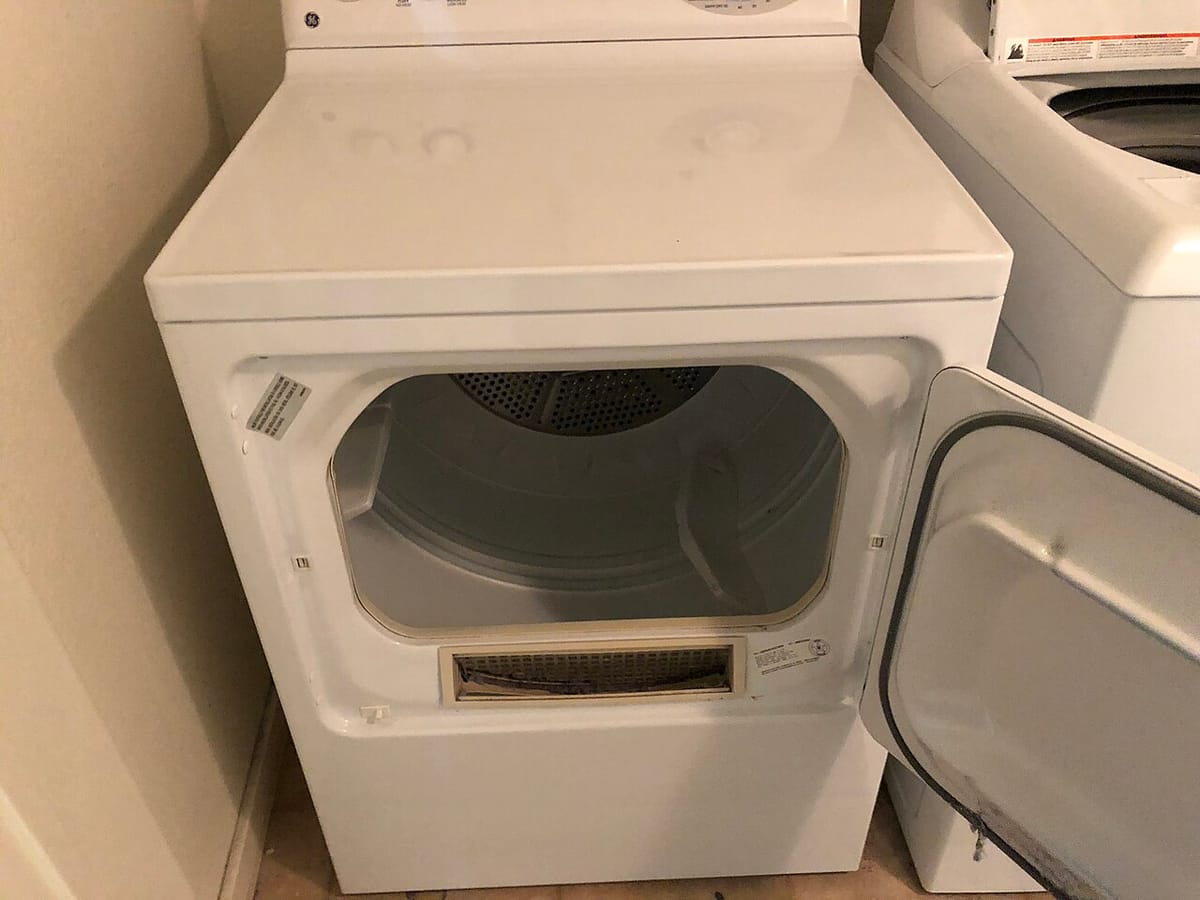
Laundry & Cleaning
Dryer Not Heating: What to Check Before Calling a Repair Tech
A dryer that runs cold has a tripped breaker leg, a clogged vent, a blown thermal fuse, or a dead element. Check them in order. Most fixes cost under $30.
Time30–90 min Cost$0–$60 moderate
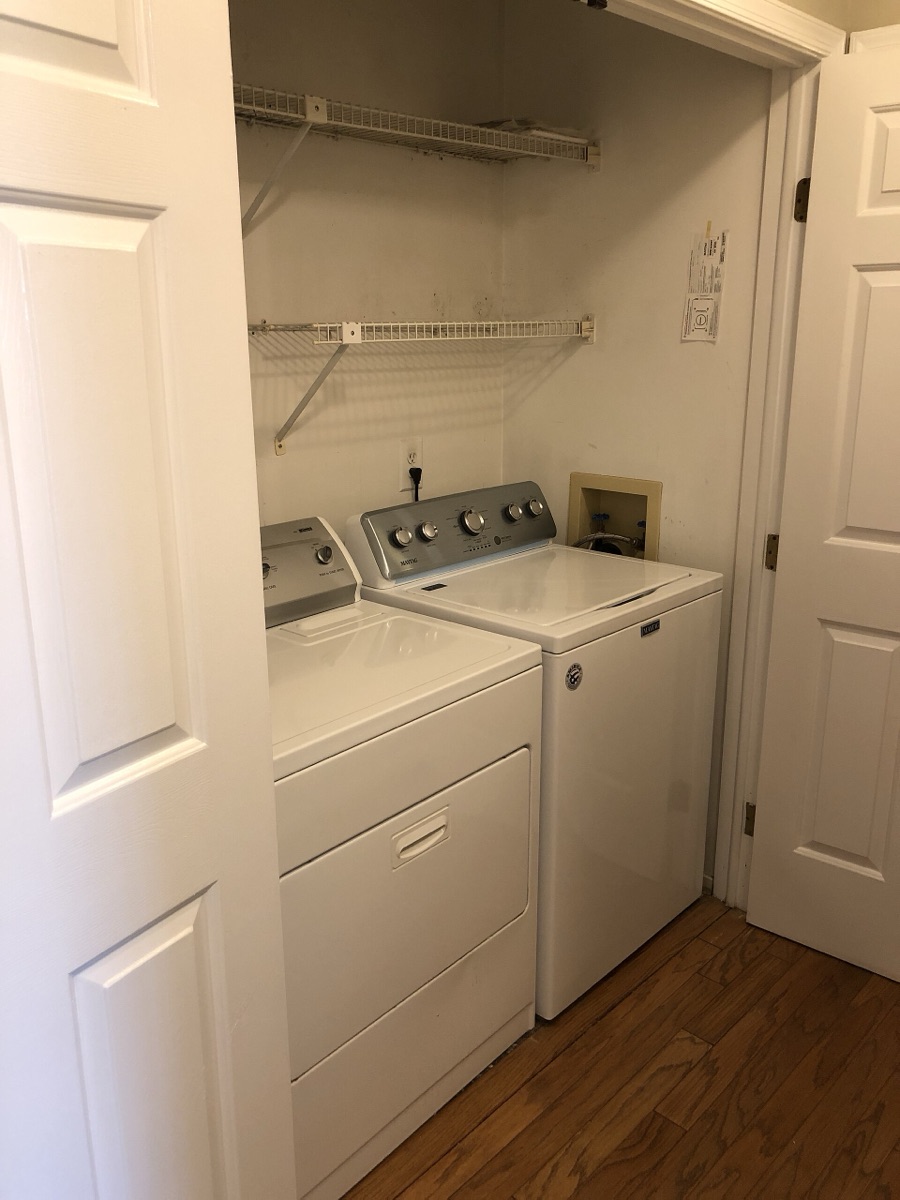
Laundry & Cleaning
Dryer Takes Too Long? It's Almost Always Airflow
A dryer that needs two cycles is starved for air, not short on heat. Test the lint screen with water, then clear the duct run from both ends.
Time45–90 min Cost$0–$40 moderate
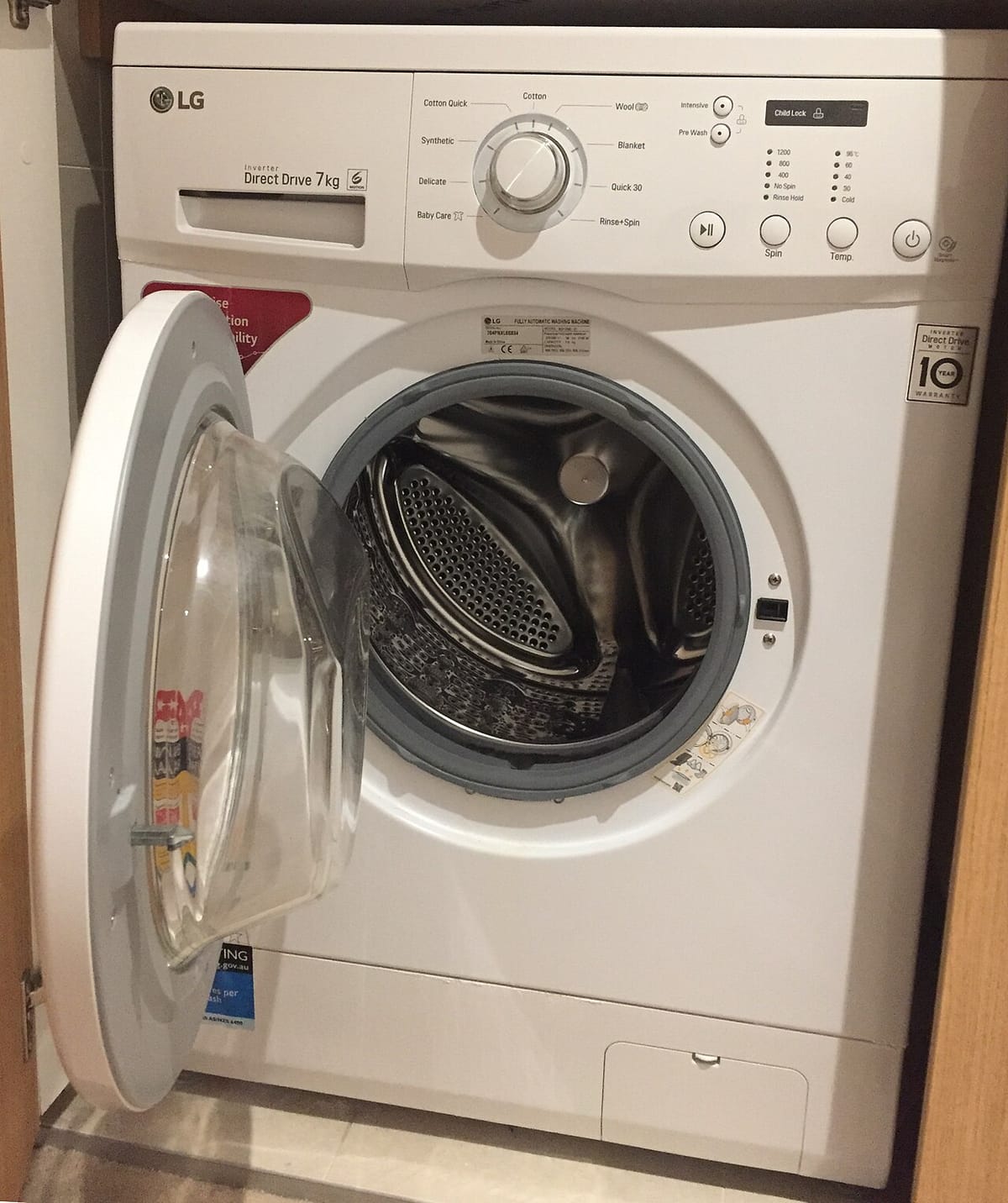

Laundry & Cleaning
How to Stop a Washing Machine Shaking During Spin
A washer that bangs and walks on spin is unbalanced, unlevel, or still wearing its shipping bolts. Ten minutes with a wrench usually settles it.
Time20–40 min Cost$0–$30 easy