Washer Won't Drain? Check the Filter, Hose, Then Pump
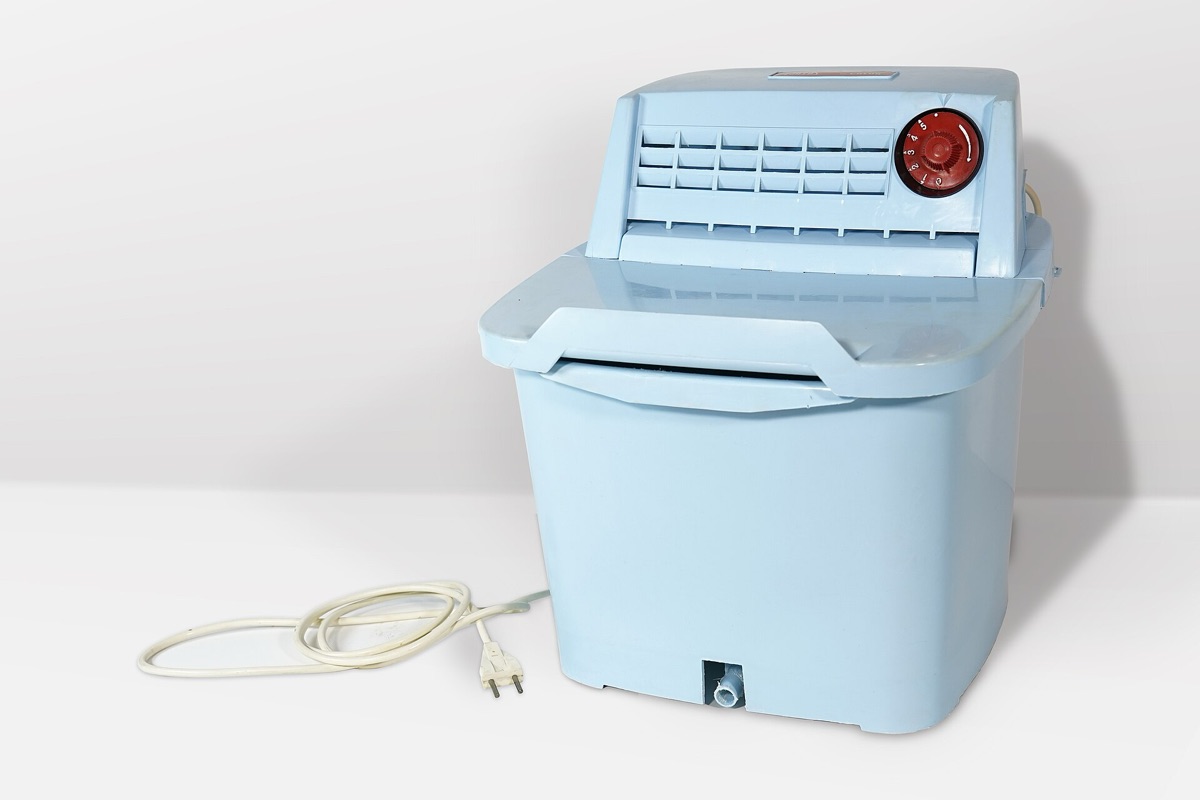
Cover photo by Museuvalenciaetnologia via Wikimedia Commons, CC BY-SA 4.0, resized.
If this fix touches water, gas, or power, the guide starts with the shutoff step and says when a licensed pro should take over.
Product links in this guide are affiliate links. If you buy through one, we may earn a small commission at no extra cost to you. It never changes which products we recommend.
You come back to move the load over and the drum is still sitting in six inches of gray water. Before you start pricing repair visits, know that the two most common causes are free to fix and neither one requires taking the machine apart. The messy part is getting the water out first, and there’s a right way to do that.
Quick Answer
A washer that won’t drain is blocked at the drain filter, the drain hose, or the pump, in that order of likelihood. Unplug the machine, drain the standing water through the small hose beside the filter door (front-loaders) or by lowering the drain hose into a bucket (top-loaders), then twist out the drain filter and clear the lint, coins, and hairpins packed into it. If the filter is clean, check the drain hose for a kink and make sure it isn’t shoved more than a few inches into the standpipe. Filter and hose fixes cost nothing, and a replacement pump runs $30 to $80 against $150 to $300 for a service call.
What You’ll Need
- A shallow baking pan or a paint roller tray, since a bucket won’t fit under the filter door
- Plenty of old towels, more than you think
- A bucket for gravity-draining the main hose
- Needle-nose pliers and a flashlight
- A washer drain pump, $30–$80, only if the pump turns out to be the problem
Step-by-Step
Unplug the machine and get the water out
Pull the plug from the wall. You’re about to open a water path with your hands near a motor, and a cycle resuming mid-job is the one thing that turns this from tedious to dangerous. Then drain it. On a front-loader, open the small access door at the bottom front corner and you’ll find a short rubber tube with a cap next to the filter: pull it out, hold it over the pan, and uncap it. Expect to empty the pan five or six times. On a top-loader, walk the drain hose down off the standpipe into a bucket on the floor and let gravity do it.
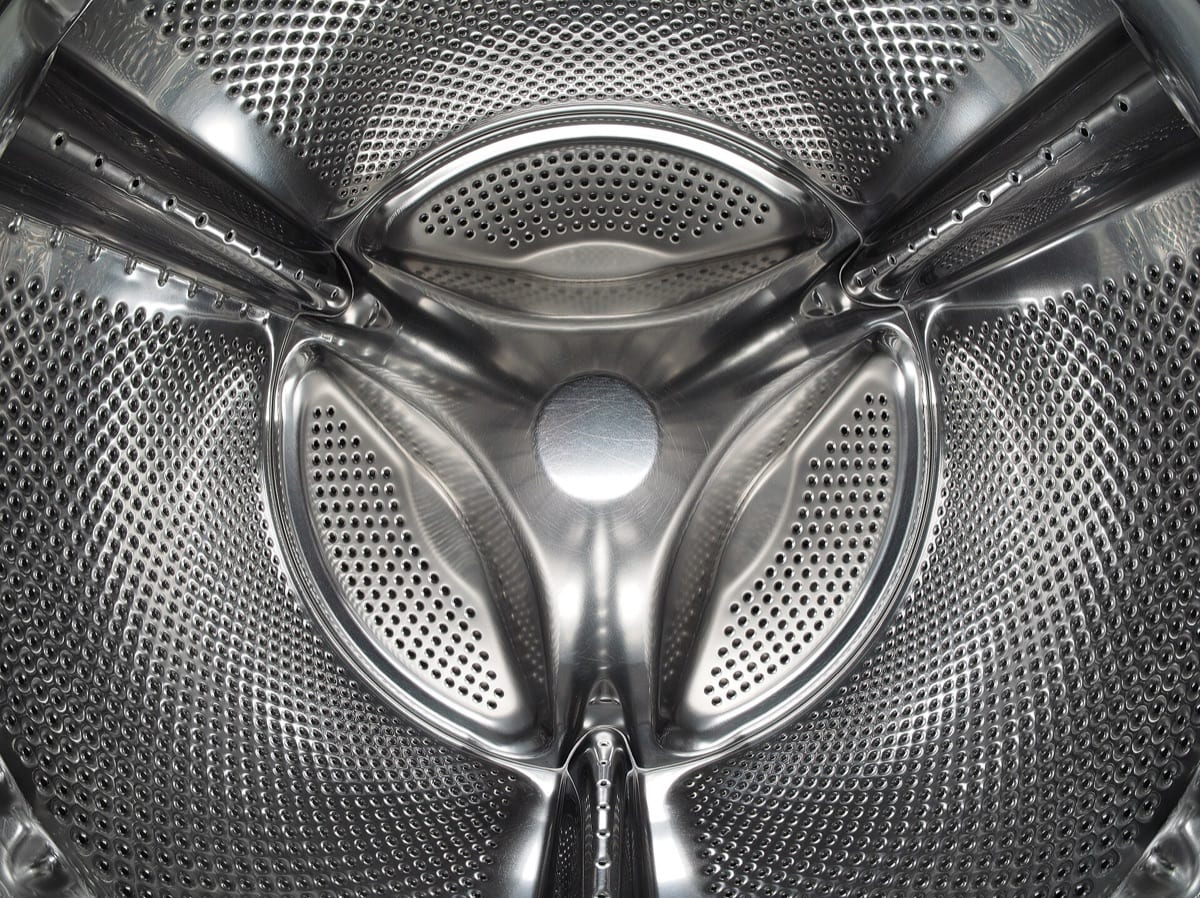 Everything that comes off your clothes passes the filter before it reaches the pump. That is why the filter clogs first. Photo by Petar Milošević via Wikimedia Commons, CC BY-SA 4.0, resized.
Twist out the drain filter
Behind that same access door is a round filter cap. Turn it counterclockwise slowly, keeping the pan underneath, because there’s always more water than the tube released. Pull the filter out and look at what comes with it. Lint felted into a solid disc is normal. So are coins, buttons, hair ties, and the underwire from a bra, which is the single most common cause of a pump that grinds. Rinse the filter under hot water, scrub the mesh, and check inside the empty housing with a flashlight before it goes back. Thread it back in by hand until snug, not forced.
Check the drain hose for kinks and depth
Follow the corrugated hose from the back of the machine to the standpipe or laundry sink. Look for a hard bend where the washer was pushed back against the wall, which crushes the hose flat and is invisible until you pull the machine out. Then check how far the hose goes into the standpipe. More than six or eight inches and it can seal against the pipe wall, creating a siphon that confuses the machine. It should sit loosely, with an air gap around it.
Test the standpipe itself
Pour a couple gallons of water down the standpipe with the hose out. It should swallow the water without backing up. If it gurgles, rises, or overflows, the blockage isn’t in your washer at all, it’s in the house drain line, and that’s a plumbing problem rather than an appliance one. Lint and detergent scum build up in laundry standpipes over years.
Reach the pump
If the filter was clean and the hose is clear, the pump impeller is the next suspect. On most front-loaders the pump sits directly behind the filter housing, and with the filter out you can reach in and turn the impeller with a finger. It should spin freely with a light ratcheting feel. Locked solid means something is jammed in it. Free but the machine still won’t drain, with no hum during the drain step, means the pump has failed electrically. Replacing one is a fair DIY job if you can find a teardown video for your exact model number, and a fair thing to hand off if you can’t.
Check the lid switch on a top-loader
A top-loader that fills and washes but never drains or spins often has a failed lid switch. The machine thinks the lid is open and refuses to move to the drain step for safety. Press the switch plunger in the frame by hand with the lid up and listen for a click. No click, or a plunger that stays depressed, means the switch needs replacing, which is a $15 part on most machines.
Time and Cost
| Fix | Time | Cost |
|---|---|---|
| Clear the drain filter | 30 min | $0 |
| Unkink or reseat the drain hose | 15 min | $0 |
| Replace the lid switch | 45 min | $15–$30 |
| Replace the drain pump yourself | 1–2 hrs | $30–$80 |
| Appliance repair visit | 1–2 hrs | $150–$300 |
Why This Works
A washer drains by pumping water up and out through a narrow hose, which means everything that came off your clothes has to pass through a small impeller first. The filter exists to catch the hard debris before it gets there, so by design it fills up, and by design nobody empties it. Manufacturers say clean it every few months. Ask ten owners and nine have never opened that little door. The drain hose has to rise before it falls, which is what stops dirty water from siphoning back into the drum, and a hose crushed behind the machine defeats that geometry without any visible symptom until the day it stops draining entirely.
Mistakes to Avoid
- Opening the filter with a full tub and no pan. That’s several gallons hitting the floor at once. Use the little drain tube first, every time.
- Starting another cycle to “push it through.” Adding water on top of standing water strains a pump that’s already blocked and can burn it out.
- Forcing the filter cap back in. Cross-threading it causes a slow leak that you’ll discover as a warped floorboard months later.
- Bailing the tub and calling it fixed. The water leaving is not the same as the blockage leaving. If you didn’t find the cause, it’s still in there.
Standing water in the drum for a day or two leaves a smell behind even after the drain works again, and that’s a separate job covered in cleaning a smelly washing machine. While the machine is pulled out for the filter, it’s also the moment to level the feet if it bangs on spin. If clothes come out of a working washer soaked rather than damp, the spin cycle is the thing to look at next, and that load will make any dryer look slow.
FAQ
Why is my washing machine full of water and won't drain?
The drain path is blocked somewhere between the tub and the standpipe. On a front-loader the usual cause is the drain filter behind the small door at the bottom front, packed with lint, coins, and hairpins. On a top-loader it's more often a kinked drain hose or a failed lid switch that stops the drain and spin steps entirely.
How do I drain a washing machine manually?
Unplug it, then lower the drain hose from the standpipe into a bucket set on the floor. Gravity does the rest, and you will fill the bucket several times. On a front-loader, the small drain tube beside the filter door is designed for exactly this, so use that and a shallow pan rather than opening the filter against a full tub.
Why does my washer drain but not spin?
That points at the lid switch or door lock rather than the drain path. Machines refuse to spin with the door unlatched, and when the switch fails the machine reads the door as permanently open. You'll often hear the drain finish normally and then the cycle simply stall with wet clothes inside.
How much does it cost to replace a washer drain pump?
The part runs $30 to $80 for most common brands and takes about an hour with the machine tipped or the front panel off. A repair tech charges $150 to $300 for the same job, so it's worth attempting if you can find the model-specific teardown video first.
Related fixes
Laundry & Cleaning
How to Clean a Front Load Washer Gasket That Smells
A smelly washer gasket is mold and detergent film in the rubber fold. Wipe it out, clear the drain holes, and stop that musty smell for under $5.
Time15–20 min Cost$0–$5 easy


.jpg)
Laundry & Cleaning
Washing Machine Smells? Clean These 3 Spots (Gasket, Drum, Filter)
A musty front-loader means mold in the door gasket and a clogged drain filter. Clean all three problem spots in 30 minutes and keep the smell away.
Time30 min + one wash cycle Cost$0–$10 easy