Furnace Not Turning On: 7 Checks Before You Call for Service
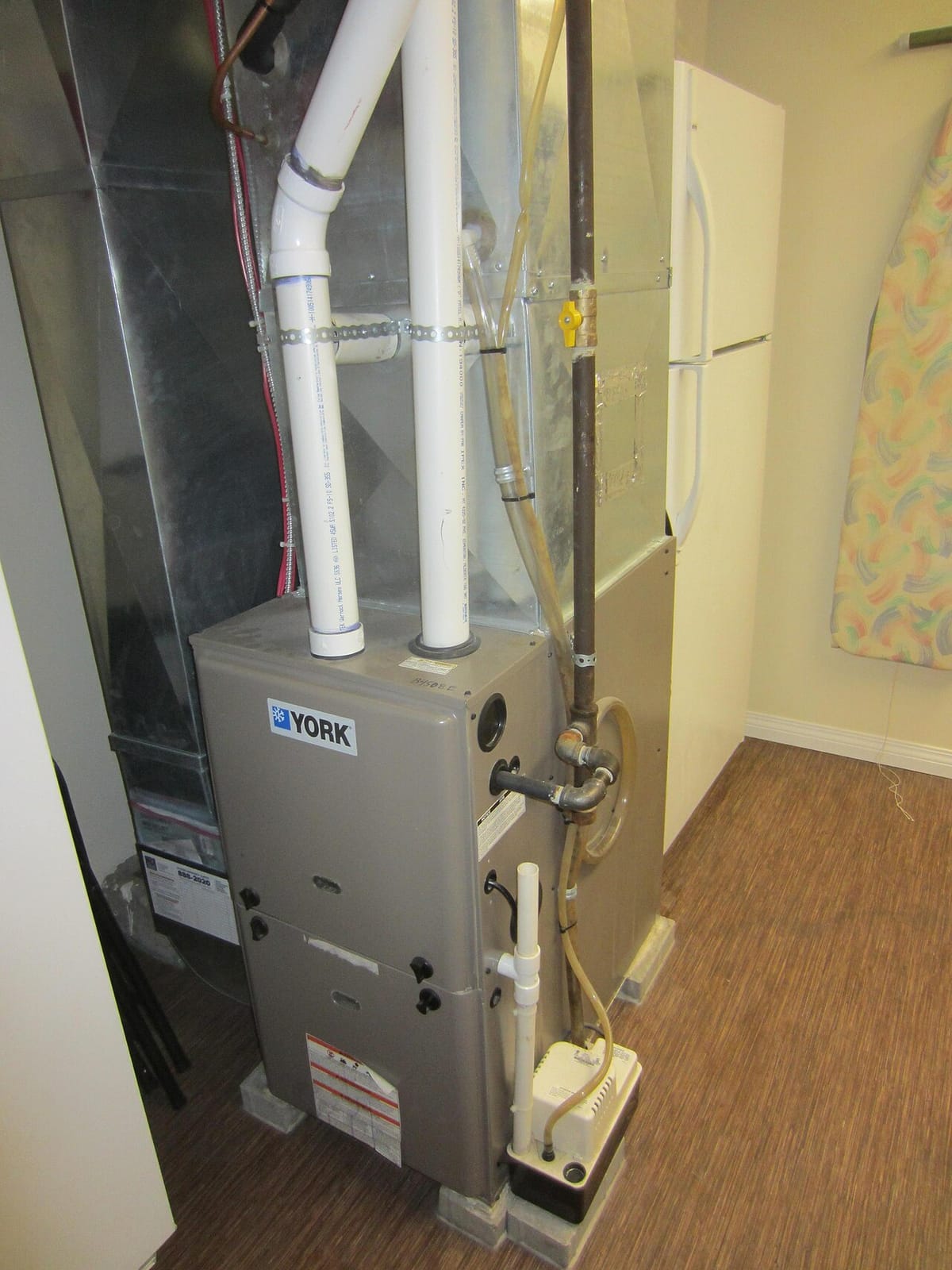
Cover photo by Wtshymanski via Wikimedia Commons, CC BY-SA 4.0, resized.
If this fix touches water, gas, or power, the guide starts with the shutoff step and says when a licensed pro should take over.
Product links in this guide are affiliate links. If you buy through one, we may earn a small commission at no extra cost to you. It never changes which products we recommend.
The first cold morning of the year and the house is 58 degrees. You turn the thermostat up, hear nothing, and start pricing furnaces in your head. Slow down. Most furnaces that won’t start have nothing wrong with them. A setting, a switch, a door, or a filter is in the way. The checks below run from free to cheap, and most no-heat mornings end before you touch a tool.
Quick Answer
A furnace not turning on is checked in this order, and you stop as soon as it runs. One: the thermostat shows Heat and a setpoint above room temperature, with fresh batteries. Two: the furnace breaker is on and the power switch (it looks like a light switch on or beside the furnace) is up. Three: the blower door is seated, since a safety switch behind it cuts power when it’s loose. Four: the filter isn’t packed solid, which trips the high-limit and shuts the burner down. Five: on a high-efficiency furnace, the condensate drain isn’t backed up and holding the float switch open. Six: the status light on the control board isn’t blinking a code, which the legend on the door decodes. Seven: through the sight glass, the hot surface igniter glows, the burners light, and the flame sensor proves it so they stay lit. Each check takes five minutes. Any smell of gas means leave the house and call the gas company, not a repair line.
What You’ll Need
- Fresh AA or AAA batteries for the thermostat
- A furnace filter in your size, $8–$25
- A flashlight
- Fine emery cloth, $3, for cleaning a flame sensor (a dollar bill works in a pinch)
- A 1/4-inch nut driver for the burner compartment screws
Step-by-Step
Check the thermostat before anything else
Set the thermostat to Heat and raise the setpoint at least 5 degrees above the room temperature. Wait. Most furnaces hold a built-in delay of up to five minutes before starting, and a smart thermostat may stretch that. If the display is blank or dim, replace the batteries. A Wi-Fi thermostat that keeps rebooting or losing its schedule may be starving for power on a system without a C-wire. A thermostat that shows Heat with the setpoint high and still produces silence at the furnace has done its job. Move on.
Check the breaker and the power switch
At the panel, find the furnace breaker (often labeled FURNACE, AIR HANDLER, or HVAC) and flip it fully off, then on. A breaker that trips again is a fault for a technician. Then go to the furnace. Mounted on it or on the wall beside it is a plain light switch, often with no label. It cuts power to the whole furnace and gets flipped by accident more than any other switch in the house. Up is on. If the furnace has a fuse on its control board, a 3- or 5-amp automotive-style blade fuse, check that too.
Seat the blower door
The lower panel on the furnace covers the blower, and a small plunger switch behind it kills all power when the panel is off or loose. Push the panel firmly into place, make sure its screws or clips are fully home, and listen for the furnace to come alive. A panel that was bumped by a storage bin or left ajar after a filter change is the whole problem more often than seems reasonable.
Replace a clogged filter
Pull the filter. Hold it to the light. If you can’t see through it, the furnace has been running starved for air, and the high-limit switch has been shutting the burners off to protect the heat exchanger. Fit a new one with the arrow pointing toward the furnace, and give the furnace a few minutes to reset. The filter guide covers sizes and how often. A furnace that heats for a few minutes then stops, over and over, is this problem until proven otherwise.
Clear the condensate drain on a high-efficiency furnace
If the furnace vents through white PVC pipe rather than a metal flue, it’s a condensing furnace, and it makes water as it runs. That water leaves through a trap and a small drain line, often to a floor drain or a condensate pump. When the trap clogs with sludge, a float switch opens and the furnace refuses to start, sometimes with a code on the board. Pull the drain hose, flush the trap with warm water, and make sure the pump (if there is one) is plugged in and its reservoir empties. Restart.
Read the status light
Remove or look through the upper burner door. The control board has a small LED that blinks a pattern when the furnace is in a fault state, and the legend is printed on the inside of the door or on the board’s label. Count the blinks. Codes for a pressure switch, a limit, or an ignition failure tell you where the furnace stopped and what a technician will look at first. Write the code down. Then switch the furnace power off for 30 seconds and back on to clear a lockout, and watch whether it tries again.
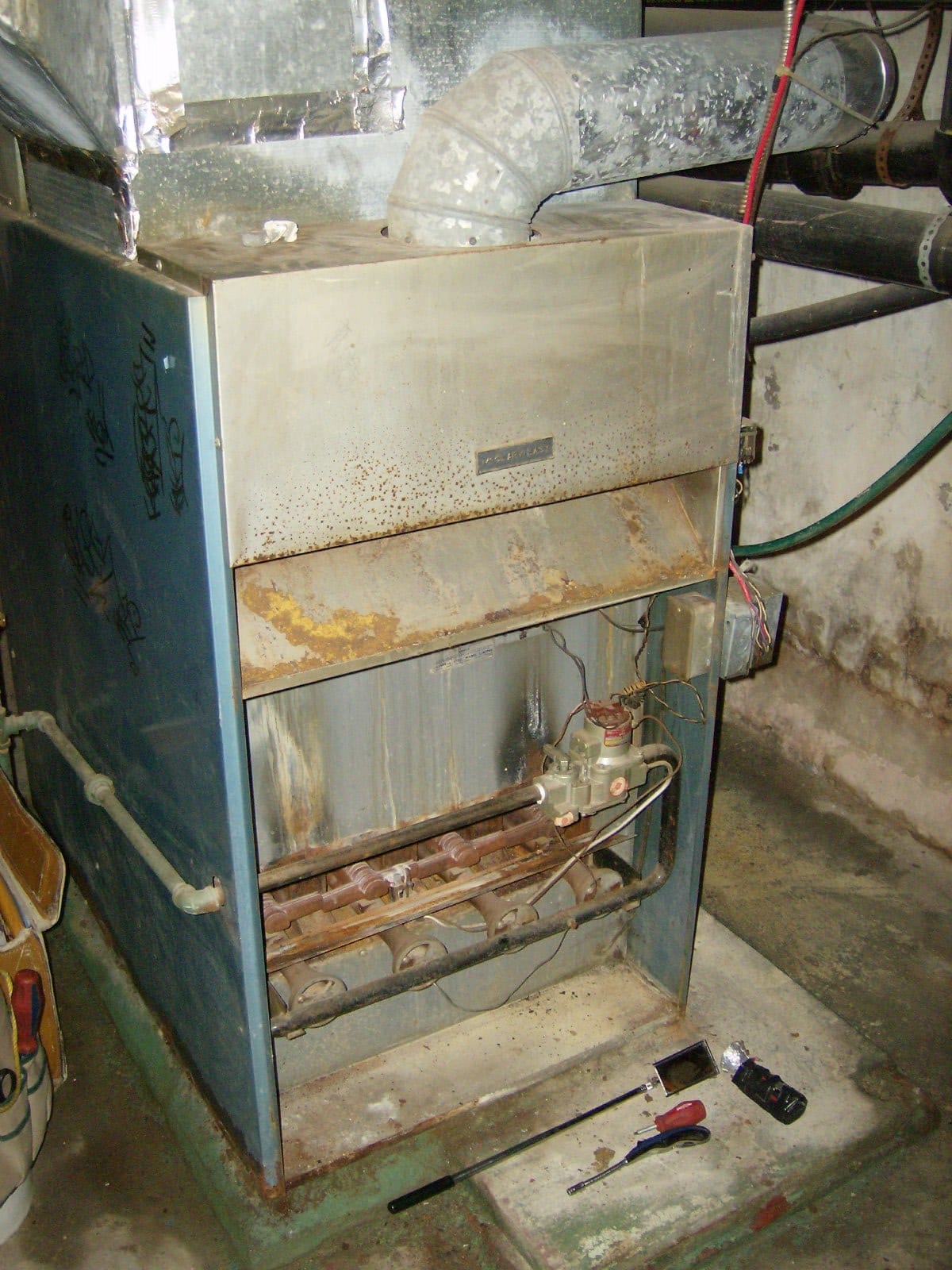 Front panel off: the burner tubes run across the top with the gas valve feeding them. The igniter and the flame sensor sit at the ends of that row. Photo by Camzmac via Wikimedia Commons, CC BY 3.0, resized.
Watch an ignition attempt
With the burner door off, start a call for heat and watch. Normal: the inducer fan hums, a few seconds later the igniter glows orange, the gas valve clicks, and a row of blue flames lights across the burners, then the blower starts. No glow at all points at the igniter. Glow, flames, then shutdown within seconds points at the flame sensor, a thin metal rod in the flame path that reads whether the burners lit. With power and gas off, unscrew the sensor, polish the rod lightly with fine emery cloth, and refit it. That one cleaning solves a large share of furnaces that light and quit. A furnace that still won’t light after this is at the hand-to-a-pro point. Igniters, gas valves, and inducer motors are parts a technician should test and replace.
Time and Cost
| Fix | Time | Cost |
|---|---|---|
| Thermostat, breaker, switch, blower door | 10 min | $0 |
| New filter | 5 min | $8–$25 |
| Flush the condensate trap | 15 min | $0 |
| Clean the flame sensor | 20 min | $3 |
| Service call, diagnosis plus a common part | — | $150–$400 |
Why This Works
A modern furnace runs a strict sequence, and every step has a safety that can stop it. The thermostat closes a circuit, the control board starts the inducer fan, a pressure switch proves the flue is clear, the hot surface igniter heats to glowing, the gas valve opens, and the flame sensor has a few seconds to prove there’s fire or the board closes the valve. The blower door switch sits before all of that, and the high-limit switch sits above it, watching the heat exchanger’s temperature. When any proof fails, the board stops, blinks a code, and after a few tries locks out. That’s why the checks run in this order. You’re walking the same sequence the board walks, from the first signal to the last proof, and the earliest break in the chain is the one that counts.
Mistakes to Avoid
- Pressing a reset button over and over. Each failed ignition attempt can leave unburned gas in the burner compartment. Reset once, and if it locks out again, call.
- Running without a filter “until you buy one.” A week of unfiltered air coats the blower and the secondary heat exchanger, and that’s a cleaning bill far bigger than the filter.
- Taping the blower door switch down and walking away. The switch is the only thing stopping the blower from running with the panel off. If you use it to watch an ignition attempt, take the tape off after.
- Ignoring a gas smell because the furnace “always smells a little.” A faint dusty smell at the first start of the season is normal and clears in minutes. Rotten egg or sulfur is not. Leave, then call the gas utility.
No heat and no hot water on the same morning is almost never two failures. It’s the gas supply or the main shutoff. The water heater guide covers checking that valve.
FAQ
Why is my furnace not turning on when the thermostat is set to heat?
Work from the thermostat toward the furnace. Confirm the display shows Heat and a setpoint above the room, swap the batteries if it has them, then check the furnace breaker and the light-switch-style power switch on or near the furnace. Next, make sure the blower door is fully seated, since a safety switch behind it cuts all power when the door is loose. A clogged filter comes after that. Most no-start calls end at one of those five.
Where is the reset button on a furnace?
Most modern furnaces reset by power: switch the furnace off at its power switch for 30 seconds and back on, which clears a lockout from too many failed ignition tries. Older furnaces and some oil burners have a red button on the blower motor or the burner control. Press it once only. A furnace that locks out again right after a reset has a real fault, usually the flame sensor or igniter, and pressing reset repeatedly can flood the burner with gas.
Why does my furnace click but not turn on?
A click with no ignition usually means the control is calling for heat and something downstream isn't answering. On a furnace with a hot surface igniter, watch through the inspection window. No orange glow means the igniter is cracked or its circuit is open. A glow followed by gas and then a shutdown within seconds is a dirty flame sensor, which you can clean with fine emery cloth after shutting off power and gas. A click followed by nothing at all can also be a stuck inducer motor or a tripped pressure switch.
How much does a furnace service call cost?
In most US markets a diagnostic visit is $80 to $150, and common repairs land at $150 to $400 with parts. An igniter is $150 to $250 installed, a flame sensor $100 to $200, an inducer motor $300 to $600. If the furnace is past 15 years and the quote involves the heat exchanger or control board, ask for a replacement estimate at the same visit.
Related fixes
Heating & Cooling
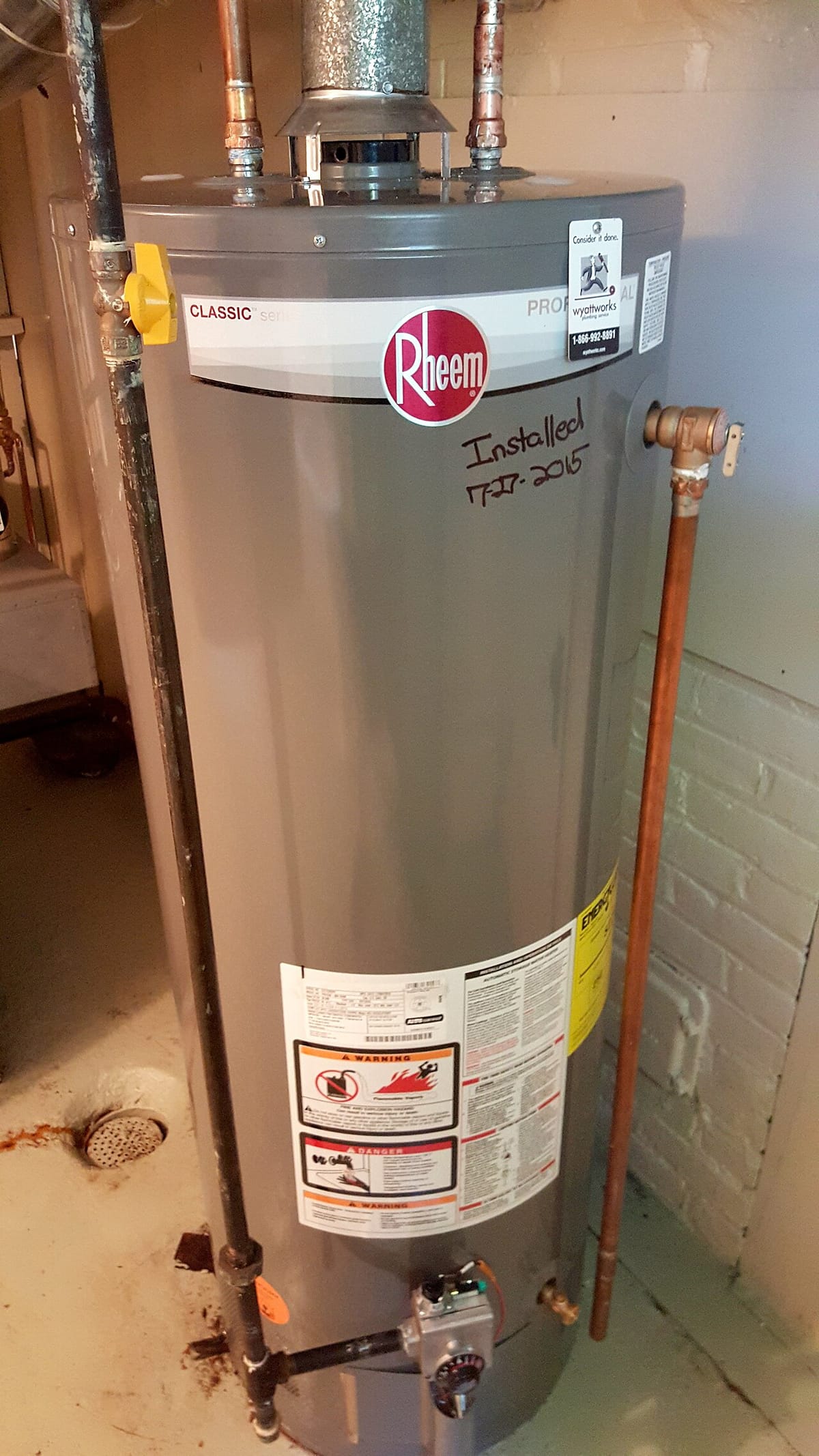
No Hot Water? Start With the Reset Button or the Pilot
Electric heaters have a hidden red reset button behind the access panel. Gas heaters have a pilot. Both explain most sudden losses of hot water.
Time20–60 min Cost$0–$45 moderate
Heating & Cooling
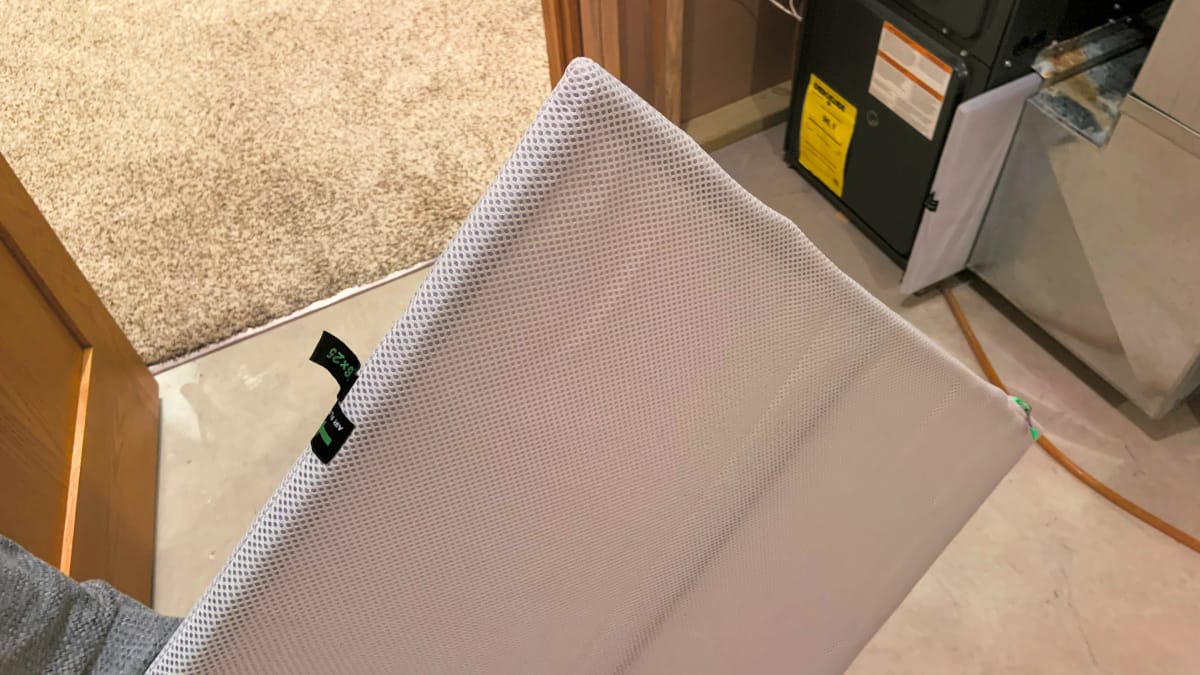
How to Replace an HVAC Filter the Right Way
A dirty HVAC filter cuts airflow and raises bills. Find the size, point the arrow toward the unit, and replace it in under 10 minutes today.
Time5–10 min Cost$8–$25 easy


Electrical
How to Reset a Tripped Breaker the Right Way
A tripped breaker often looks like it's still on. Push it fully to off first, then back on, and learn the difference between a nuisance trip and overload.
Time5–10 min Cost$0–$15 easy