AC Running but Not Cooling? Check These First
If this fix touches water, gas, or power, the guide starts with the shutoff step and says when a licensed pro should take over.
Product links in this guide are affiliate links. If you buy through one, we may earn a small commission at no extra cost to you. It never changes which products we recommend.
An AC that’s running but not cooling feels urgent on a 90-degree afternoon, but don’t jump straight to “the compressor is dead.” Most no-cool calls start with something simple: the thermostat is in the wrong mode, the filter is choking airflow, the outdoor unit lost power, or the coil iced over. If the problem is a single window unit instead of central air, use the window AC not cooling checklist.
Quick Answer
If your AC is running but not cooling, set the thermostat to Cool and at least 3 degrees below room temperature, then check the air filter. A clogged filter can freeze the indoor coil and stop cooling completely. Next, make sure the outdoor unit has power, clear debris from the condenser, and shut the system off if you see ice on the copper refrigerant line. These checks take 30 to 60 minutes and cost $0–$25. If the outdoor fan will not run, the breaker trips again, or ice returns after thawing, call a licensed HVAC technician.
What You’ll Need
- A fresh HVAC filter in the exact size printed on the old frame
- A condenser fin comb, $10–$15, to straighten bent fins
- Foaming coil cleaner, $10–$15
- A garden hose
Step-by-Step
Check the thermostat first
Confirm the thermostat is set to Cool, not Heat or Fan, and set it at least 3 degrees below the current room temperature. Give the system 5 minutes before judging it. Many thermostats have a short delay to protect the compressor. If only the indoor blower runs and the outdoor unit stays silent, move to the breaker and disconnect checks.
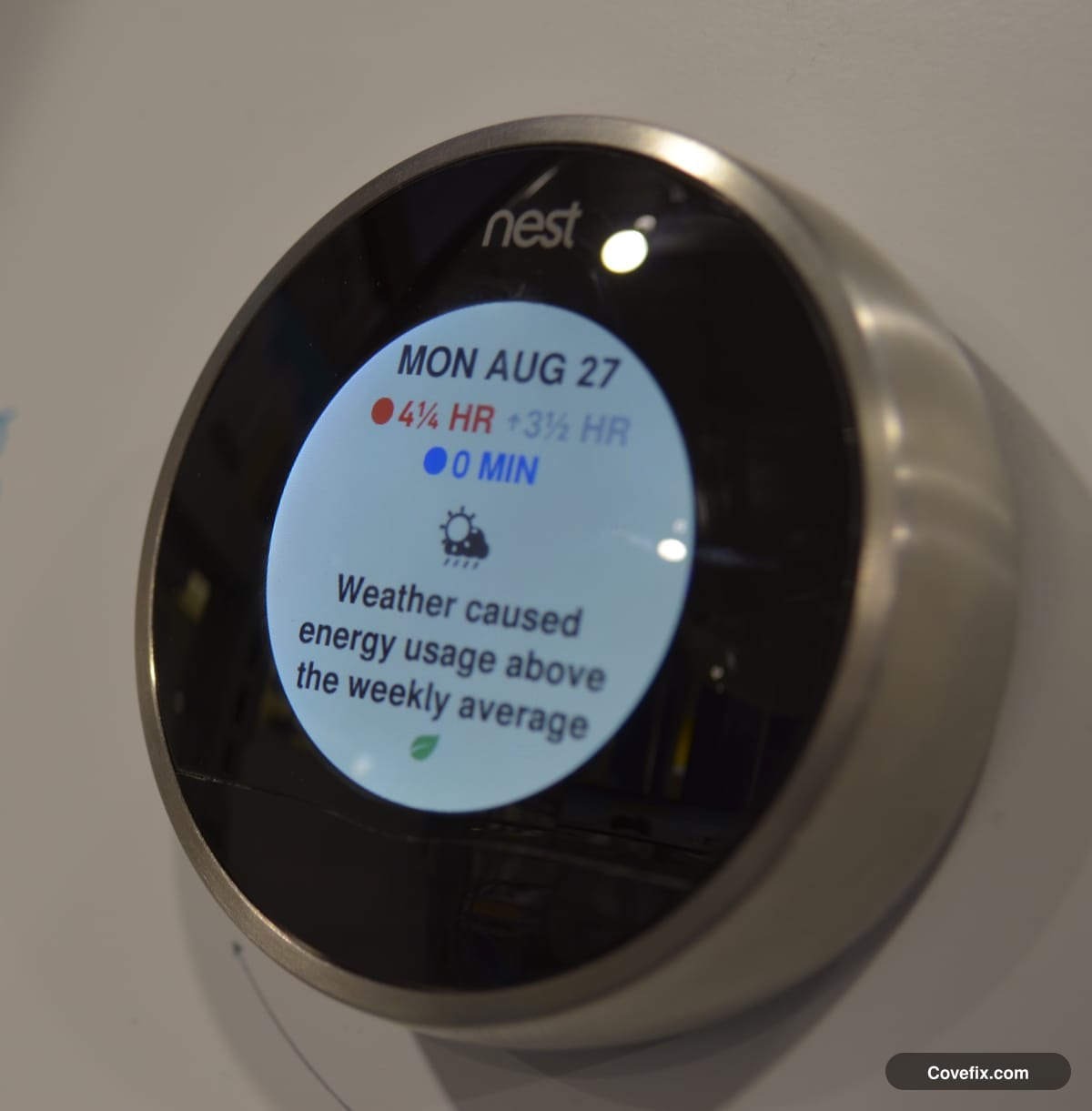 Start at the thermostat because a mode or setpoint mistake costs nothing to fix.
Replace a dirty filter
Turn the system off, pull the filter, and hold it up to a light. If you cannot see light through most of it, replace it before running the AC again. Heavy summer runtime can load a 1-inch filter in a month, especially with pets, dust, or wildfire smoke.
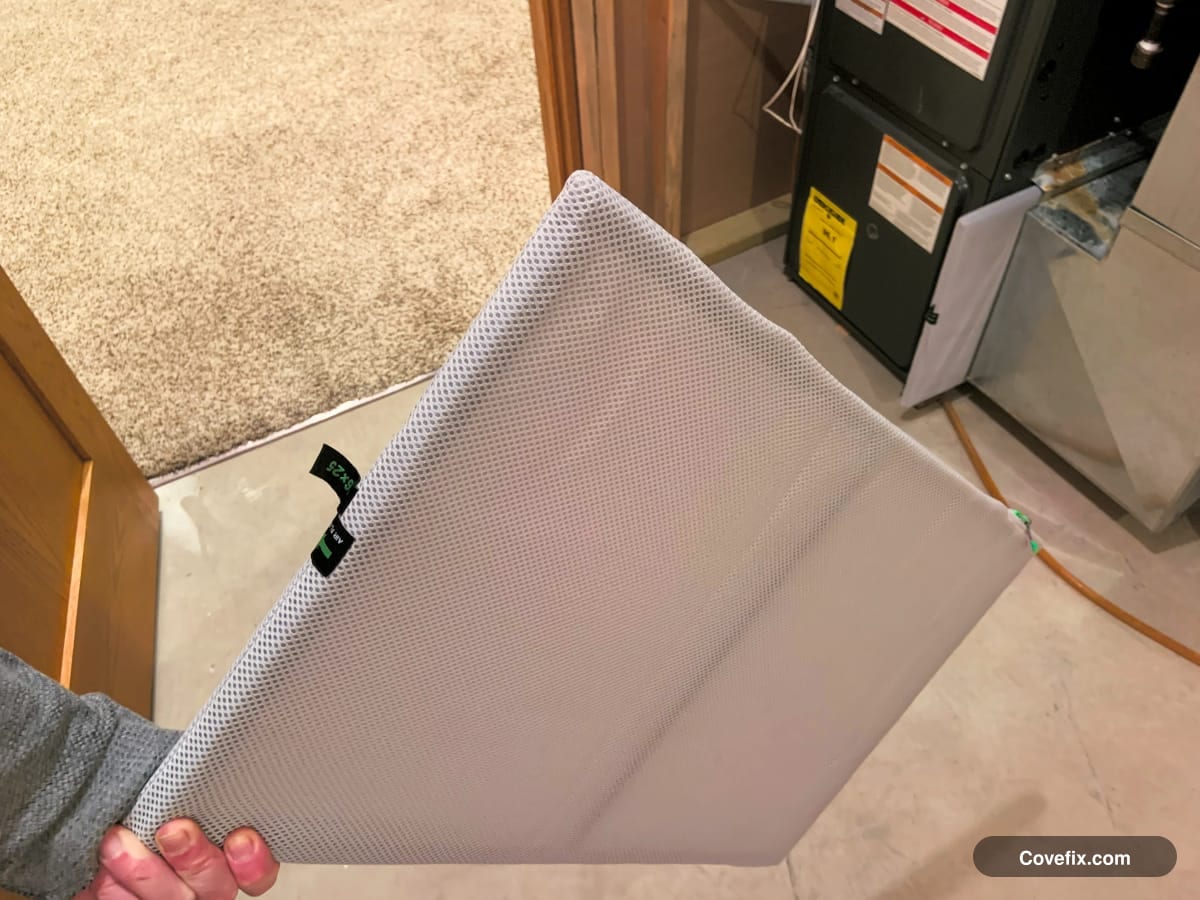 If the filter looks loaded or bowed, replace it before checking anything more expensive.
Check the breaker at the outdoor unit
Most central AC systems have a disconnect box near the outdoor condenser plus a dedicated breaker in the main panel. If the breaker is tripped, reset it the right way: push fully to off before flipping back on. If it trips again immediately, stop there and call a pro.
Look for ice on the indoor coil
Look for frost on the larger insulated copper line near the indoor unit or outdoor condenser. If you see ice, turn cooling off and set the fan to On for 2 to 4 hours so the coil can thaw. Do not keep dropping the thermostat lower. Running an iced system can damage the compressor.
Clean the outdoor condenser
Cut power at the disconnect, pull leaves and grass away from the sides, then rinse the fins gently with a garden hose. Keep at least 2 feet of clear space around the unit. Use a fin comb only on badly flattened areas, and skip the pressure washer because it folds fins shut.
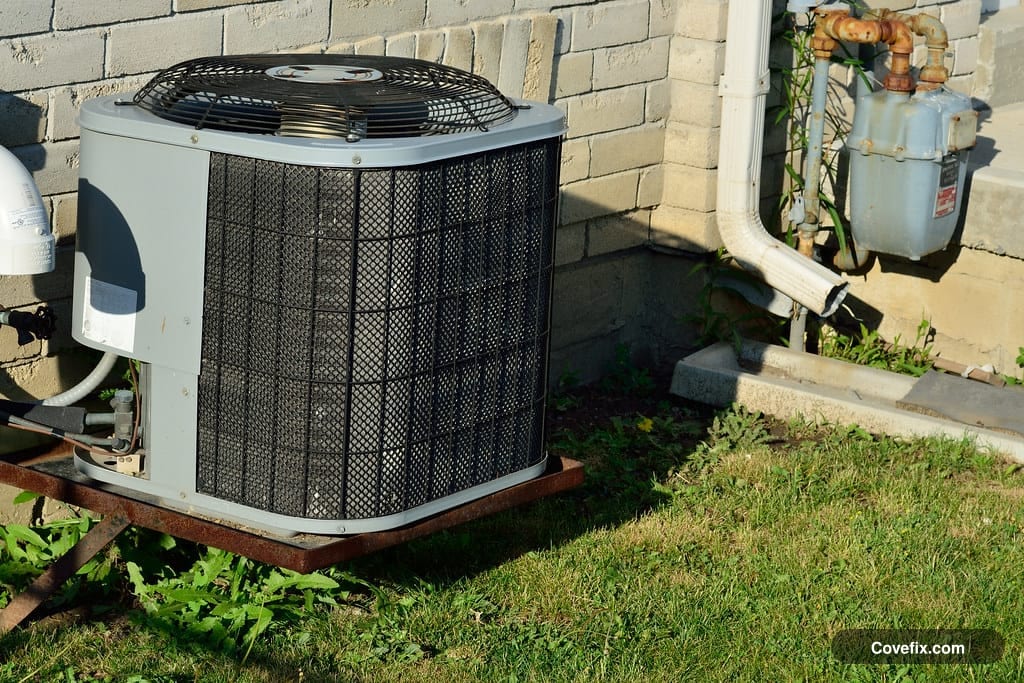 The outdoor unit has one job: dump heat outside. Packed fins and debris make that job harder on hot days.
Time and Cost
| Fix | Time | Cost |
|---|---|---|
| Thermostat, filter, and breaker checks | 15–20 min | $0–$15 |
| Clean the outdoor condenser | 20–40 min | $10–$25 |
| Full AC service call (refrigerant, compressor) | 1–3 hrs | $150–$450 |
Why This Works
Central AC cools by moving refrigerant between an indoor coil, which absorbs heat from your home’s air, and an outdoor condenser, which dumps that heat outside. Both sides depend on steady airflow: block the indoor side with a dirty filter and the coil gets too cold and ices over. Block the outdoor side with packed debris and the system can’t shed the heat it collected. The compressor keeps running the whole time, which is why it can sound normal while the house gets hotter. Refrigerant is different: it is a sealed, fixed charge, so low refrigerant almost always means a leak, and adding more without finding the leak just delays the same call.
Mistakes to Avoid
- Running the system with ice on the coil. Shut it off and let it thaw fully first, or you risk the compressor.
- Turning the thermostat down further, thinking it’ll cool faster. It won’t. The system runs at one speed regardless of the target temperature.
- Power-washing the condenser fins. High pressure bends them flat and blocks airflow worse than the dirt did.
- Ignoring a second breaker trip. A breaker that trips again is protecting the circuit. Stop resetting it and get the electrical or HVAC fault diagnosed.
- Buying refrigerant to top off the system yourself. It’s a sealed system, refrigerant handling requires EPA certification, and topping off a leak just masks it temporarily.
If the filter turns out to be the whole problem, replacing an HVAC filter the right way covers sizing and airflow direction so it doesn’t happen again. While the system thaws or you wait for service, cooling a room with fans can make one room livable without confusing the AC diagnosis. If upstairs is the only place that stays hot, check why upstairs is so hot next.
FAQ
Why is my air conditioner running but not blowing cold air?
The most common causes are a thermostat setting, a clogged filter, an iced indoor coil, a tripped outdoor disconnect, or a dirty condenser outside. Work through those free checks first. Low refrigerant is possible, but that is a sealed-system repair for a licensed HVAC technician, not a DIY top-off.
Can a dirty filter really stop an AC from cooling?
Yes. A clogged filter starves the indoor coil of airflow, and a coil that can't move enough air across it gets too cold and ices over, which then blocks airflow completely. A $15 filter is often the entire fix.
What does it mean if the outdoor AC unit is covered in ice?
Ice on the indoor coil or the refrigerant lines means airflow is blocked somewhere, often a dirty filter or a failing blower. Turn the system off and let it thaw completely, which can take a few hours, before you restart it or you risk damaging the compressor.
How much does it cost to fix an AC that's low on refrigerant?
A refrigerant recharge typically runs $150 to $400 depending on the type and amount needed, and a technician has to find and seal the leak first or the new charge just leaks out again. This is licensed-technician work in most states because refrigerant handling requires EPA certification.
Related fixes

Heating & Cooling
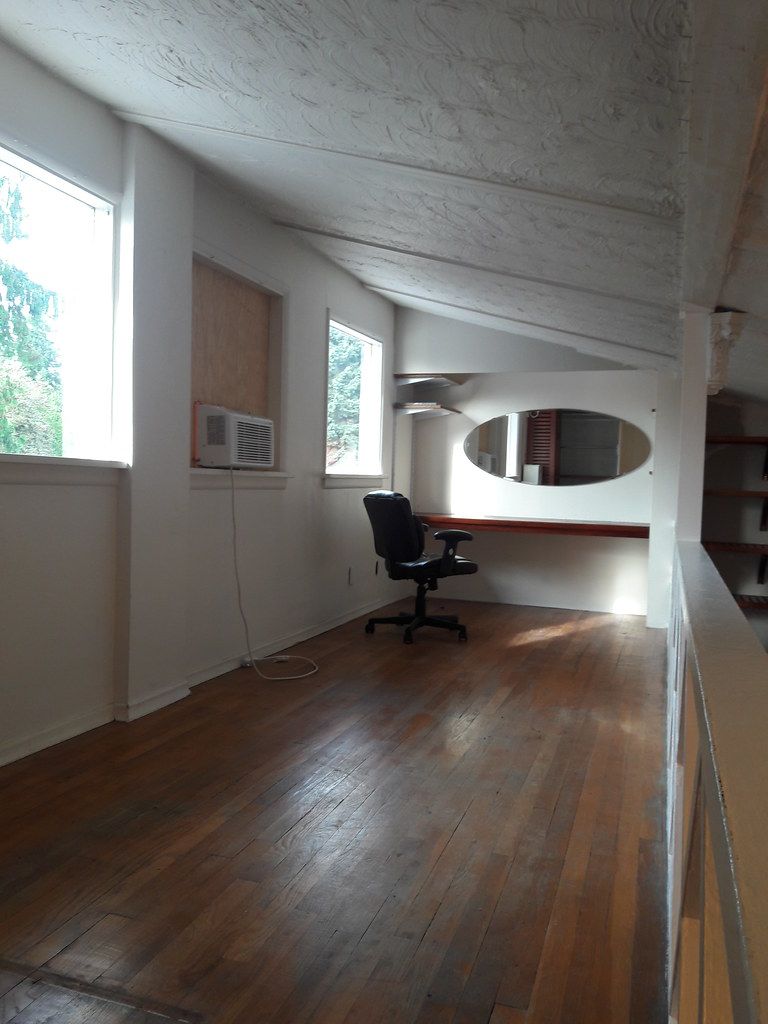
How to Cool a Room With Fans When the AC Can't Keep Up
Use fans to push hot air out, pull cooler night air in, and make one room feel 4–6 degrees cooler while your AC catches up in a summer heat wave.
Time10–20 min Cost$0–$60 easy
Heating & Cooling
Window AC Not Cooling? 5 Checks Before Replacing It
If a window AC is not cooling, clean the filter, clear the intake, check for ice, and inspect the tilt before replacing it or calling a tech.
Time20–45 min Cost$0–$15 easy
Heating & Cooling
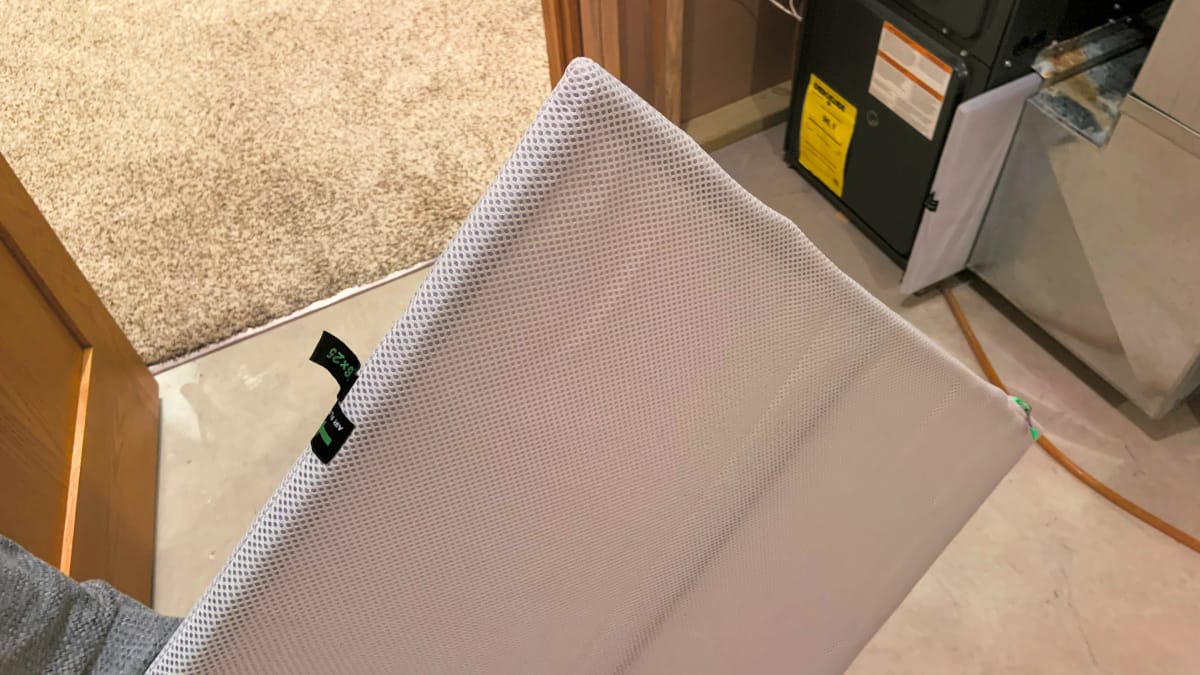
How to Replace an HVAC Filter the Right Way
A dirty HVAC filter cuts airflow and raises bills. Find the size, point the arrow toward the unit, and replace it in under 10 minutes today.
Time5–10 min Cost$8–$25 easy