Lights Flickering? One Bulb Is Fine, the Whole House Isn't
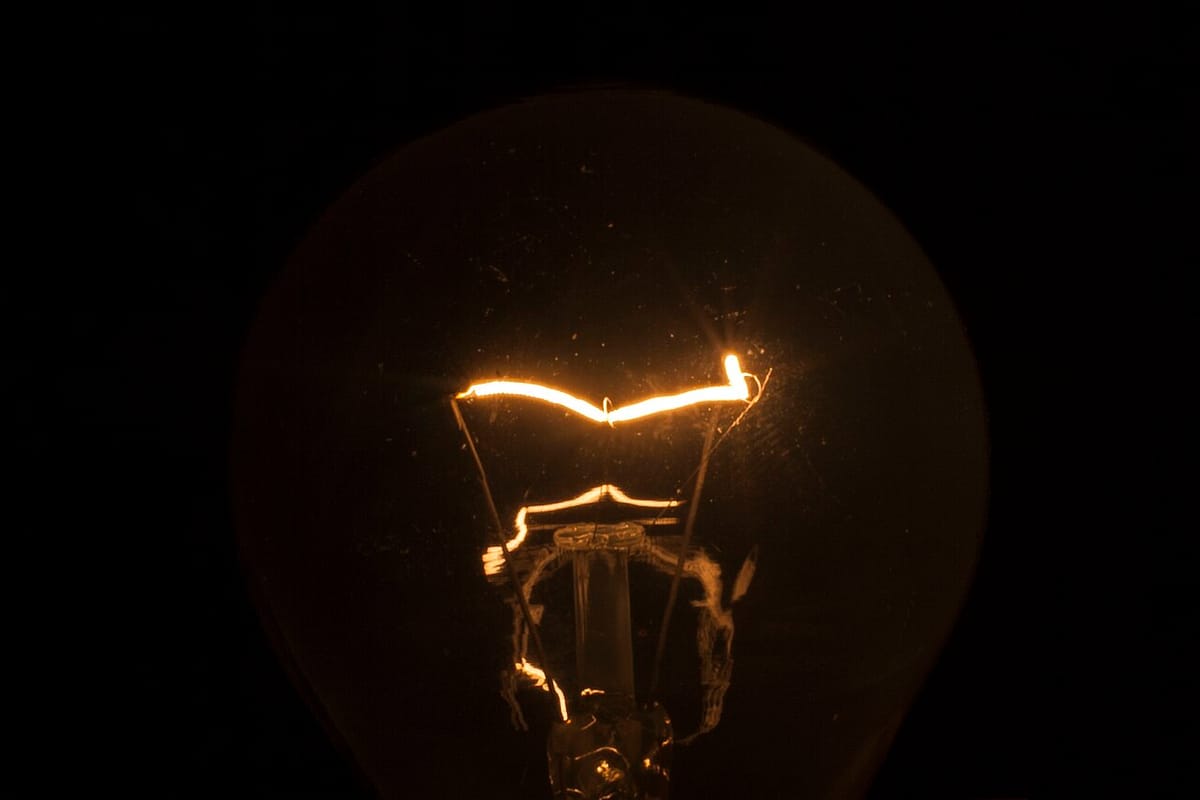
Cover photo by Janek Lass via Wikimedia Commons, CC BY-SA 3.0, resized.
If this fix touches water, gas, or power, the guide starts with the shutoff step and says when a licensed pro should take over.
Product links in this guide are affiliate links. If you buy through one, we may earn a small commission at no extra cost to you. It never changes which products we recommend.
Flickering lights sit in an awkward spot: usually completely harmless, occasionally the only warning sign of something genuinely dangerous. The useful way to sort it out is scope. How much of the house flickers tells you almost everything about whether this is a two-dollar fix or a phone call you should make today.
Quick Answer
Start by noting how much of the house has lights flickering. A single bulb is a loose bulb, a worn socket, or an LED on an incompatible dimmer, and all three are cheap fixes. One fixture or one room points to a loose wire connection at a switch, outlet, or fixture, which is worth finding. The whole house flickering, particularly if it worsens over time, comes with a warm switch plate, or arrives with a burning smell, can mean a failing service neutral, and that is a same-day call to an electrician or your utility. Simple fixes run $0 to $30, and a service-side fault is not DIY at any price.
What You’ll Need
- A replacement bulb you know is good, for swap testing
- An LED-compatible dimmer switch, about $25, if a dimmer is involved
- A non-contact voltage tester, $15–$20, before any cover plate comes off
- A screwdriver
- A phone, for the cases below where that is the correct tool
Step-by-Step
Establish the scope before touching anything
Walk the house with the lights on and watch. Is it one bulb, one fixture, everything on one circuit, or every light in the building at once? Does it happen constantly, only at certain dimmer settings, or specifically when the fridge, AC, or well pump starts? Write down what you observe. Every step below branches from this answer, and getting it wrong sends you replacing bulbs when you should be making a call.
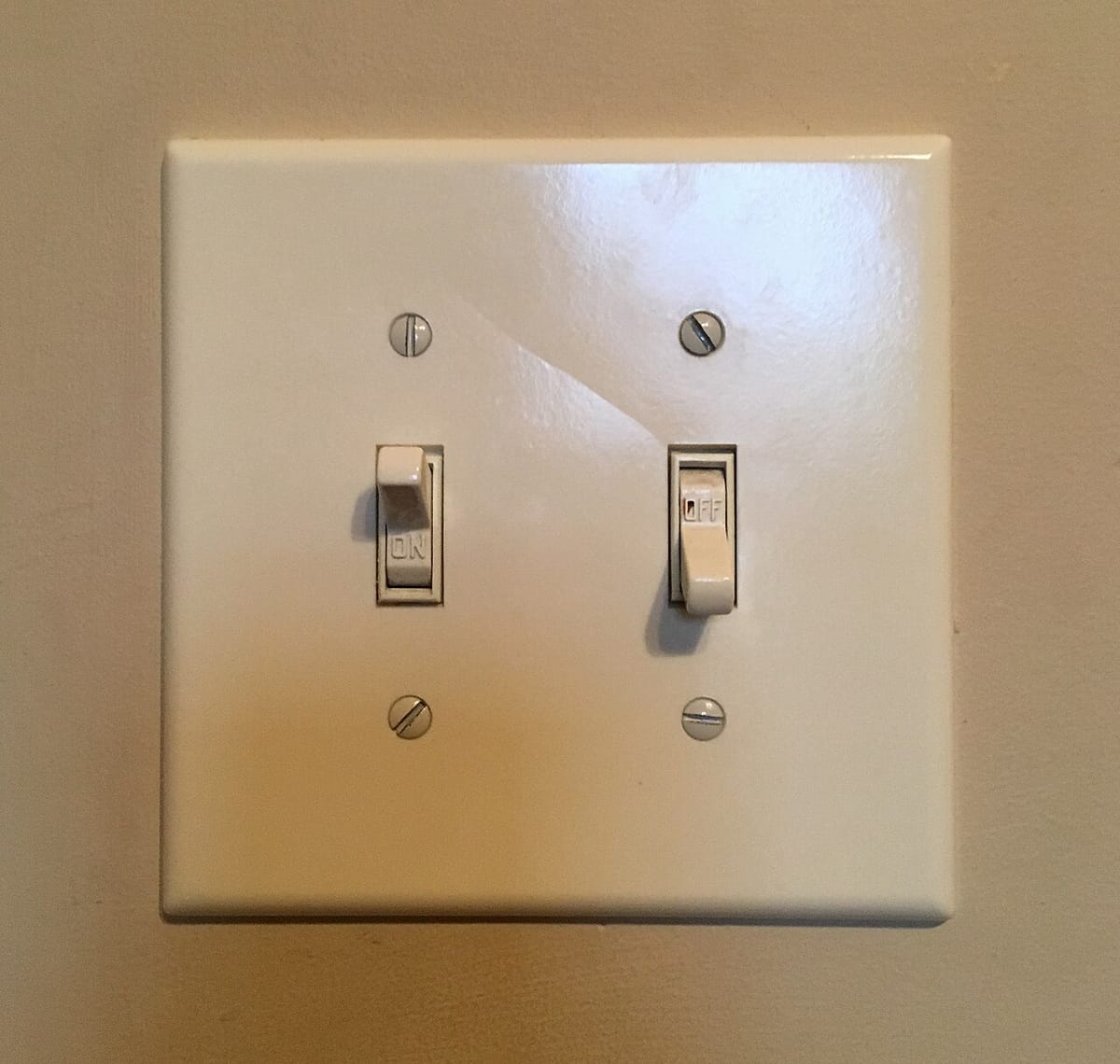
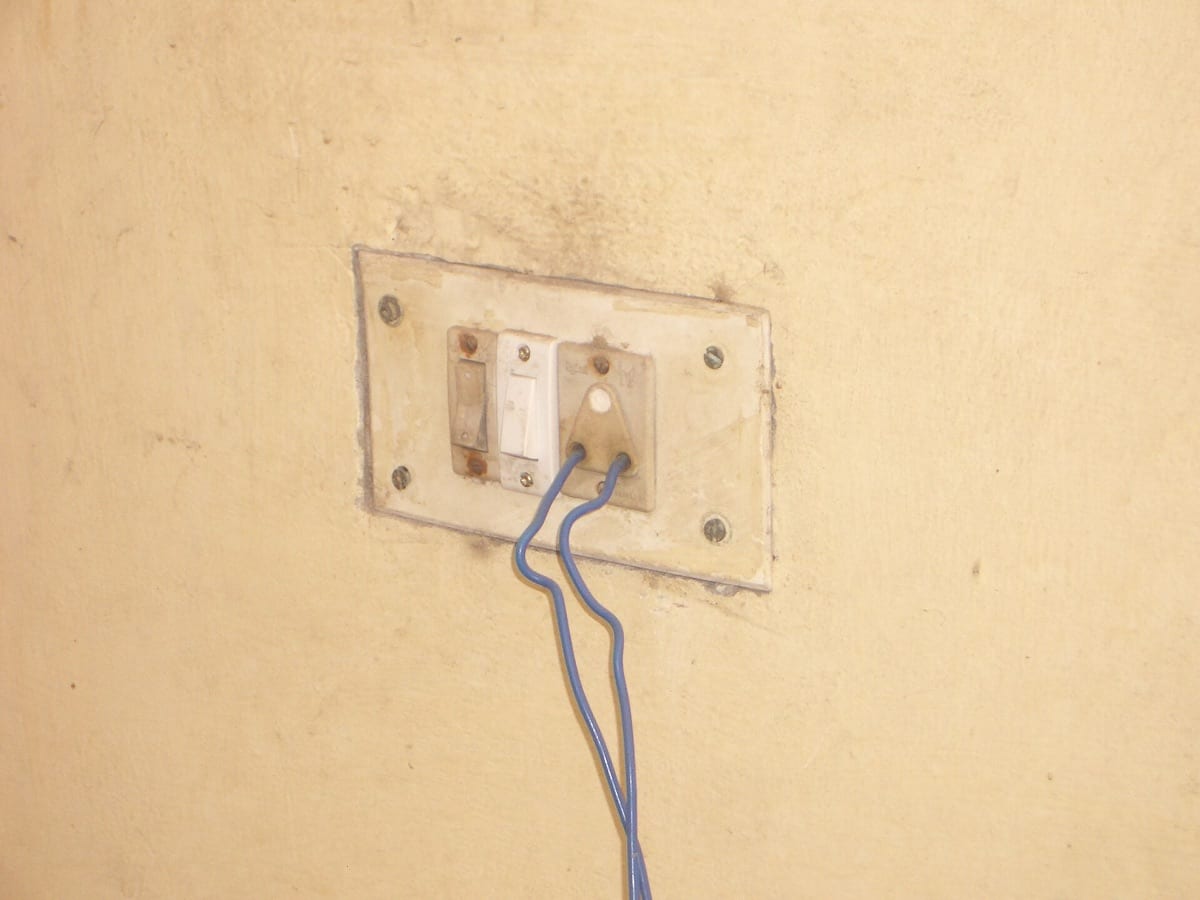 Loose connections behind a switch plate arc intermittently, and arcing is what makes heat. Photo by Klaus Nahr from Germany via Wikimedia Commons, CC BY-SA 2.0, resized.
Swap the bulb first
The cheapest test there is. Turn the fixture off, let the bulb cool, and check that it is screwed in snugly, since a bulb backed out even slightly makes intermittent contact. Then put in a known-good bulb. If the flicker follows the old bulb to another fixture, you are finished. If the flicker stays with the fixture, the socket or its wiring is the issue.
Check for a dimmer mismatch
This is by far the most common cause of modern flicker complaints. Older dimmers were designed for incandescent bulbs drawing 60 watts or more, and they need a minimum load to regulate properly. An LED drawing 9 watts sits far below that floor, so the dimmer misbehaves at the bottom of its range and you get flicker, buzz, or a bulb that glows faintly when off. Look at the dimmer for a CL rating or “LED compatible” marking. If it lacks one, replace it, and also confirm your bulbs are marked dimmable, because non-dimmable LEDs on any dimmer will flicker no matter what you spend.
Look at one room’s worth of flicker
If everything on a single circuit flickers together, there is likely a loose connection somewhere on it, often at a backstabbed outlet where the wire is pushed into a spring clip rather than secured under a screw terminal. Those clips loosen over the years and arc intermittently. Finding it means shutting off the breaker, verifying dead with the voltage tester, and inspecting connections at each device on the circuit. That is a reasonable DIY task if you are comfortable and methodical, and a completely reasonable one to hand to an electrician.
Treat whole-house flicker as urgent
If every light in the house dims and brightens together, especially in a rhythm or when large loads cycle, stop the DIY here. The classic cause is a loose or corroded neutral on the service side, which lets voltage swing above normal on one half of your panel and below it on the other. That both destroys electronics and creates fire risk. Same-day call to a licensed electrician, and to your utility, since the fault is often in their equipment at the weatherhead or meter.
Stop immediately for heat or smell
A switch or outlet plate that is warm to the touch, any scorch mark, a buzzing you can hear from the wall, or the sharp smell of hot plastic means turn that circuit off at the breaker and call an electrician now. These are the signs that precede an electrical fire, and there is no diagnostic step worth doing first.
Time and Cost
| Fix | Time | Cost |
|---|---|---|
| Tighten or swap a bulb | 5 min | $0–$8 |
| Replace an incompatible dimmer | 30 min | $25 |
| Electrician, loose connection on a circuit | 1–2 hrs | $150–$350 |
| Electrician, service neutral repair | 2–4 hrs | $300–$900 |
| Utility service-side repair | varies | usually no charge |
Why This Works
Light output tracks voltage very closely, which makes every bulb in your house a sensitive voltmeter you happen to be able to see. That is why the scope of a flicker maps so cleanly onto its cause. A problem confined to one bulb can only be in that bulb or its socket. A problem across one circuit has to be somewhere those devices share, which is the wiring and its connections. A problem across every circuit has to be upstream of all of them, at the panel or the service entrance. Loose connections flicker because an intermittent gap arcs, and arcing generates heat, which is precisely why the harmless-looking symptom and the genuinely dangerous one look so similar from the couch.
Mistakes to Avoid
- Replacing bulbs over and over on a dimmer circuit. If the dimmer is the wrong type, every new bulb will do the same thing. Read the dimmer, not the bulb.
- Ignoring whole-house flicker because the lights still work. A failing neutral often runs for weeks before it takes out appliances or starts a fire. Working is not the same as safe.
- Opening a switch box without testing. A non-contact tester costs less than $20 and takes three seconds. Use it every time, including on the circuit you are certain you turned off.
- Assuming a warm dimmer is broken. Dimmers run genuinely warm by design. A warm dimmer is normal. A warm plain switch or outlet is not.
If the flicker turns out to be a dead spot rather than a dim one, the diagnostic path is different and starts with the protective devices. Both a GFCI that won’t reset and a dead outlet with no obvious cause cover the checks that come before calling anyone.
A flicker that lives in one switch, especially a switch that feels mushy or needs a second push, is usually the switch itself. Replacing a light switch is a 20-minute job once the breaker is off.
FAQ
Why do my LED lights flicker on a dimmer?
The dimmer is almost certainly an older model built for incandescent bulbs. Those work by chopping the AC waveform, and they need a minimum load that a 9-watt LED never reaches, so the bulb flickers or buzzes at low settings. Swapping in a dimmer marked LED-compatible or CL-rated costs about $25 and fixes it completely.
Is flickering lights a sign of an electrical problem?
It depends entirely on scope. One bulb flickering is a bulb or fixture issue and is not dangerous. One room flickering points to a loose connection worth tracking down. The whole house flickering, especially with warm switch plates or a burning smell, can indicate a failing service neutral, and that one deserves a call the same day.
Why do my lights dim when the AC or fridge kicks on?
A brief dip as a large motor starts is normal, because the motor draws several times its running current for a fraction of a second. What is not normal is a deep dim, a dip that lasts more than a moment, or one that has clearly gotten worse over recent months. Those suggest a loose connection or an undersized service rather than ordinary inrush.
Can a bad breaker cause flickering?
Yes. A breaker with worn internal contacts or one that is loose on the panel bus can produce intermittent flicker on everything it feeds, and it often runs warm. Diagnosing this means working inside an energized panel, which is squarely electrician territory rather than a DIY check.
Related fixes
Electrical
How to Fix a Dead Outlet Before Calling an Electrician
A dead outlet is often a tripped GFCI, breaker, or switched receptacle. Check the safe resets first, then know when wiring needs a pro visit.
Time5–15 min Cost$0–$12 easy
Electrical
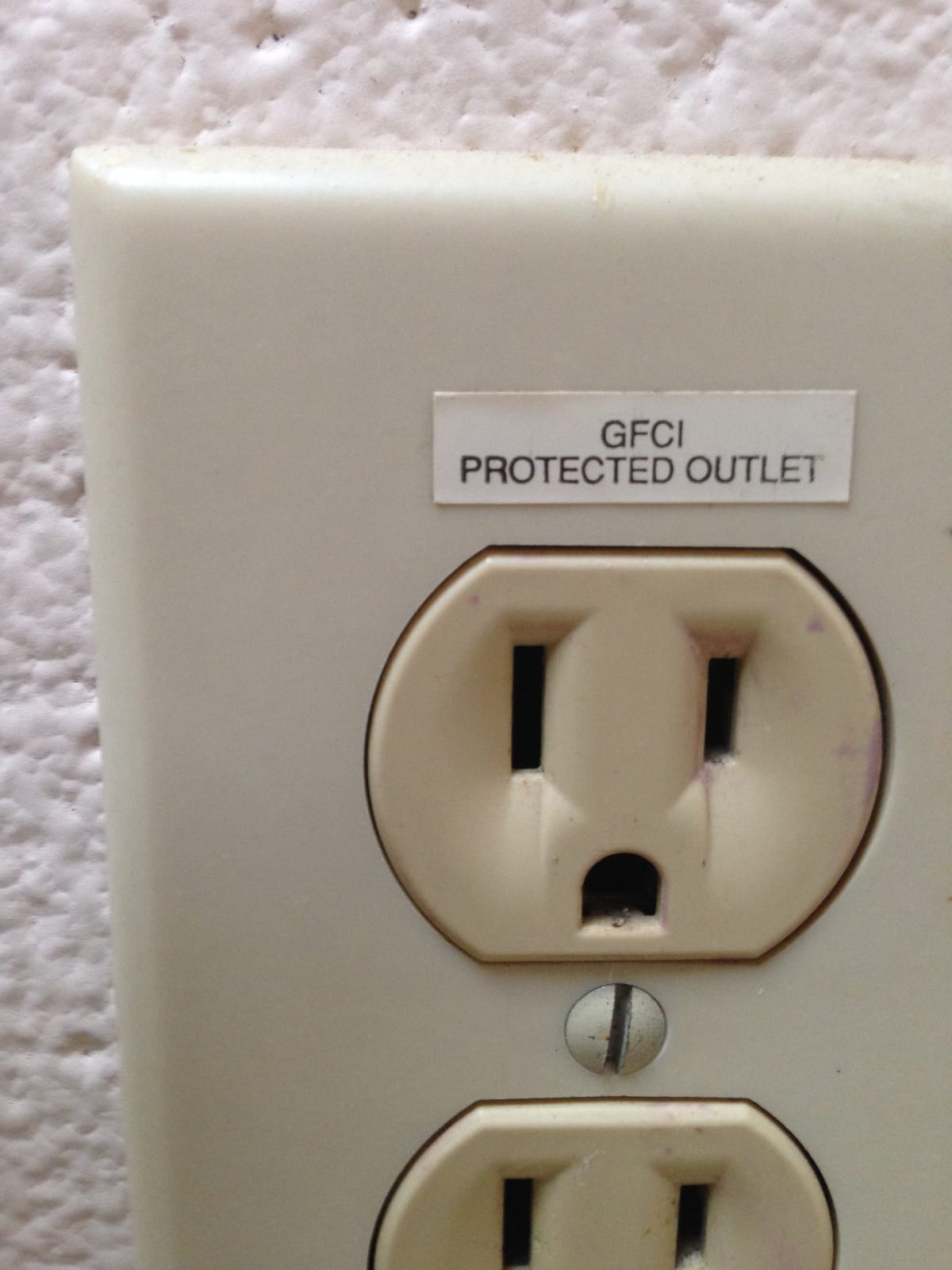
GFCI Won't Reset? What It's Telling You
A GFCI that won't reset is usually protecting you from a real fault. Unplug the circuit, press Reset firmly, and learn when the outlet has worn out.
Time10–20 min Cost$0–$20 easy

.jpg)
Electrical
How to Replace a Light Switch Safely in 20 Minutes
Replacing a single-pole light switch takes a $3 switch, a screwdriver, and a voltage tester. Kill the breaker, prove it's dead, move two wires, done.
Time20–30 min Cost$3–$25 moderate